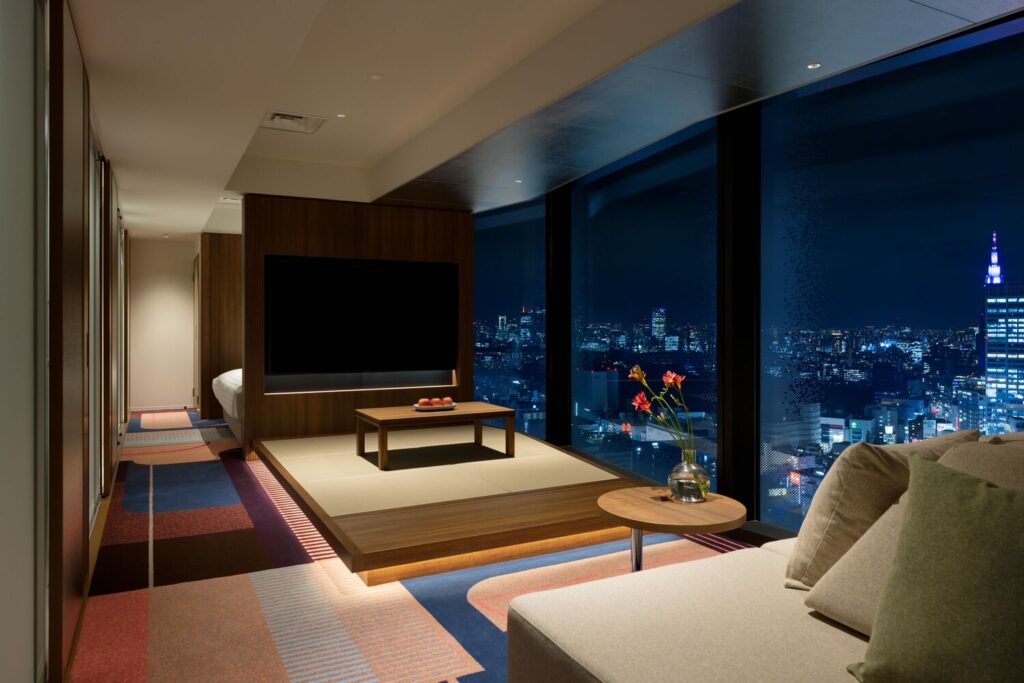
Tokyo
Take Tokyo one neighbourhood a day and it stops being too big
June is the cheapest month to sleep in Tokyo, around $105 a night against $223 in November. That’s the tsuyu rainy season, and the rain rarely lasts a whole day.
Sleep near a Yamanote line station. SOTETSU GRAND FRESA TAKADANOBABA, check prices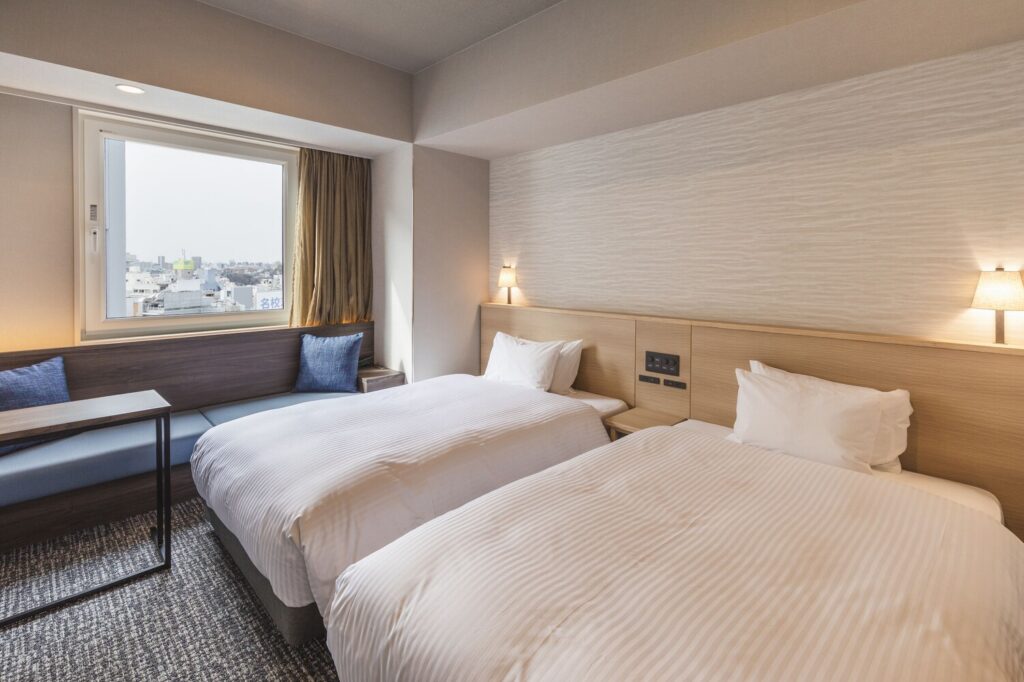 SOTETSU GRAND FRESA TAKADANOBABATakadanobaba, on the Yamanote loop$175 a night, midCheck prices is three stops up the loop from Shinjuku, in a student district where the ramen is still under eight dollars and nobody is selling you anything.
Eat your big meal at lunch, before two o’clock, because even serious sushi and tempura counters run cheap fixed sets then and shut afterwards until dinner. At a ramen counter you buy a ticket from the machine by the door before you sit, and the top-left button is the house bowl.
Quick facts
- Best time
- January and February for price, mid-May for warmth
- Days needed
- 5-7 days
- Stops
- 1 stop
- Cheapest month
- January · $114/night see costs
- Where to sleep
- SOTETSU GRAND FRESA TAKADANOBABA, check pricesSOTETSU GRAND FRESA TAKADANOBABATakadanobaba, on the Yamanote loop$175 a night, midCheck prices · $175 a night, mid
When to go and what it costs
Budget around $215 a person for a mid-range day in Tokyo once the bed is in, and the bed is the part that swings. June is the cheapest month to sleep, about $105 a night. November costs more than double that. Pick the month before you plan a single meal, because nothing else you decide moves the total as far.
January and February buy the cheapest beds of the year and the driest air, so Fuji turns up on the skyline more often than in any other month. The temples empty out once the New Year rush passes.
May works from about the tenth, after Golden Week clears, for warm green days at a bit under $160 a night. Early December gets overlooked. Prices drop after the first week, the light goes low and sharp, and nothing is crowded until New Year.
Avoid Golden Week in late April, Obon in mid-August, and the last week of March into early April, unless you booked months ago and want the cherry blossom badly enough to pay for it. These prices were checked in September 2026.
| Month | Avg nightly hotel |
|---|---|
| January | $114 $57 below the annual average |
| Best value The cheapest month, and the driest air of the year, so Fuji turns up on the skyline far more than in summer. 2C to 10C (36F to 50F). Temples near empty. | |
| February | $120 $51 below the annual average |
| Best value Still cheap, still dry. Plum blossom from mid-month, and the domestic crowds are up in the ski mountains rather than down here. Days run 3C to 11C (37F to 52F). | |
| March | $143 $28 below the annual average |
| Peak Warming fast, 7C to 14C (45F to 57F). Cherry blossom lands in the final week and the city fills overnight, so the median climbs every day of the month. | |
| April | $194 $23 above the annual average |
| Peak Everyone comes in April and the weather explains it, 12C to 19C (54F to 66F). Sakura first, Golden Week after. Book months out or don't book April at all. | |
| May | $158 $13 below the annual average |
| Best value Green and comfortable, 16C to 23C (61F to 73F), rain that comes and goes. Golden Week ends early and the crowds drain out. Book the back half of May. | |
| June | $105 $66 below the annual average |
| Tsuyu. Rain most days, rarely all day, humid with it, 20C to 26C (68F to 79F). Thinnest crowds of the year, and the cheapest beds. Carry an umbrella. | |
| July | $117 $54 below the annual average |
| Hot and sticky, 25C to 31C (77F to 88F), downpours that blow in and out inside an hour. The matsuri and the river fireworks pay you back for sweating. | |
| August | $184 $13 above the annual average |
| Peak Brutal. 28C to 34C (82F to 93F) with humidity to match, and Obon peaks domestic travel mid-month. Book the first week or the last. Never the middle. | |
| September | $342 $171 above the annual average |
| Typhoon risk all month, near 30C (86F) until late. The median here is thin inventory a year out, not a price anyone pays. Shop against the $104 quartile. | |
| October | $214 $43 above the annual average |
| Peak Dry, 17C to 23C (63F to 73F), the best walking weather of the year. Everyone knows it, so October is firmly peak. Autumn colour arrives in the last week. | |
| November | $223 $52 above the annual average |
| Peak The priciest month, and the one people photograph most. Crisp and clear at 10C to 18C (50F to 64F), momiji maples turning through the last fortnight. | |
| December | $134 $37 below the annual average |
| Best value Dry and bright, 5C to 12C (41F to 54F), with the light gone by late afternoon. Prices collapse after the first week and only spike again over New Year. | |
Tokyu Stay Kamata – Tokyo Haneda
Check prices for Tokyu Stay Kamata – Tokyo HanedaAnshin Oyado Shinjuku – Caters to Men
Check prices for Anshin Oyado Shinjuku – Caters to MenHOP INN Tokyo Iidabashi
Check prices for HOP INN Tokyo IidabashiPremier Hotel Cabin Shinjuku
Check prices for Premier Hotel Cabin ShinjukuMercure Tokyo Haneda Airport
Check prices for Mercure Tokyo Haneda AirportTokyo Bay Shiomi Prince Hotel
Check prices for Tokyo Bay Shiomi Prince HotelGrand Nikko Tokyo Daiba
Check prices for Grand Nikko Tokyo DaibaHOTEL METROPOLITAN OIMACHI TRACKS TOKYO
Check prices for HOTEL METROPOLITAN OIMACHI TRACKS TOKYOSOTETSU GRAND FRESA TAKADANOBABA
Check prices for SOTETSU GRAND FRESA TAKADANOBABAHotel Chinzanso Tokyo
Check prices for Hotel Chinzanso TokyoHOTEL GROOVE SHINJUKU, A PARKROYAL Hotel
Check prices for HOTEL GROOVE SHINJUKU, A PARKROYAL HotelGRAND MONday ASAKUSA
Check prices for GRAND MONday ASAKUSAThe Okura Tokyo
Check prices for The Okura TokyoBELLUSTAR TOKYO, A Pan Pacific Hotel
Check prices for BELLUSTAR TOKYO, A Pan Pacific Hotel
below average above average
What a day costs
Shoestring in Tokyo runs about $95 a day. That’s a capsule or business hotel in Kamata or Takadanobaba, konbini breakfast, cheap noodles and one paid thing. The mid tier at $215 gets a well-rated business hotel on the Yamanote line, a sit-down lunch and a booked tour daily. Comfort at $480 means Chinzanso, omakase and taxis.
Shoestring
$95/day
A capsule or a business hotel out toward Kamata or Takadanobaba, konbini breakfast, standing soba at lunch, and about $6 a day of Suica taps. One paid thing a day. On the night you want an evening out, the $25 Kabukicho walk covers the whole of it.
5-day trip · $475
Mid-range Most readers
$215/day
A business hotel on the Yamanote loop rated over nine, a proper sit-down lunch, and one booked thing a day, the $30 Senso-ji walk or the tower deck. Ten dollars of trains. A taxi home on the night you miss the last one.
5-day trip · $1,075
Comfort
$480/day
A garden room at Chinzanso, or the neon out of the Kabukicho Tower. An omakase counter, or the $102 sumo and chanko dinner show. A car to Fuji rather than a coach seat, taxis instead of transfers, and a Suica you barely touch.
5-day trip · $2,400
| Shoestring | Mid-range Most readers | Comfort | |
|---|---|---|---|
| Per day | $95/day | $215/day | $480/day |
| Includes | A capsule or a business hotel out toward Kamata or Takadanobaba, konbini breakfast, standing soba at lunch, and about $6 a day of Suica taps. One paid thing a day. On the night you want an evening out, the $25 Kabukicho walk covers the whole of it. | A business hotel on the Yamanote loop rated over nine, a proper sit-down lunch, and one booked thing a day, the $30 Senso-ji walk or the tower deck. Ten dollars of trains. A taxi home on the night you miss the last one. | A garden room at Chinzanso, or the neon out of the Kabukicho Tower. An omakase counter, or the $102 sumo and chanko dinner show. A car to Fuji rather than a coach seat, taxis instead of transfers, and a Suica you barely touch. |
| 5-day trip | $475 | $1,075 | $2,400 |
What will your trip cost?
- Shoestring $95 a day · 3 nights $285
- Mid-range $215 a day · 3 nights $645
- Comfort $480 a day · 3 nights $1,440
Beds, food and local transport for one person. Flights and anything you book on the day are not in it.
How long do you have?
Five days is what a first trip to Tokyo wants, seven if you can get them. Five lets you take one district a day, which is how the city stops feeling too big, and seven adds a Fuji or Nikko day plus a slow morning. Three works as a nervous long weekend, though a lot of it is trains.
3 days · The nervous long weekend
- Day 1 Asakusa at dawn while the jet lag helps, the Senso-ji walking tour at 9am, Sumida river walk.
- Day 2 Meiji Jingu at opening, Harajuku, Shibuya crossing at blue hour, the $25 Kabukicho night tour.
- Day 3 Toyosu at 5am for the tuna decks and sushi breakfast, teamLab Planets, Tokyo Tower at $18.
5 days · One neighbourhood a day
- Days 1 to 3 as above, with earlier nights and no crossing the city twice in one day.
- Day 4 Ueno, Yanaka and Akihabara on foot, finishing with the evening food tour.
- Day 5 Imperial Palace East Gardens, Toranomon, a department store food basement after 7pm.
7 days · City plus one mountain
- Days 1 to 5 the city, one district at a time, with two mornings started before six.
- Day 6 Fuji at $53 to $62 or Nikko at $99, chosen on the previous night’s forecast.
- Day 7 a loose one back in a district you liked, then the sumo and chanko dinner show at $102.
10 days · Tokyo and its edges
- Days 1 to 7 as above, at an unhurried pace with real breakfasts and afternoon naps.
- Day 8 Kamakura for the Daibutsu and the coastal train.
- Day 9 Hakone or a ryokan night with a proper bath, then back on the Romancecar.
- Day 10 nothing planned, a second go at whatever you rushed past.
Suggested itinerary
The Tokyo itinerary runs one district a day and uses the jet lag. Day one is landing, a Suica card and bed. Day two is Asakusa at dawn and the Senso-ji walk. Day three is the Toyosu tuna decks at five. After that it’s Shinjuku, then Ueno down to Akihabara, a Fuji or Nikko day, and Tokyo Tower last.
Day 1 · Land and go straight to bed
Buy a Suica or Pasmo from a station machine before you leave the airport, put about twenty dollars on it, and stop thinking about tickets for the rest of the trip.
From Haneda you’re central in half an hour for pocket change. Narita is the long one, an hour to ninety minutes, and the airport bus costs roughly half what the Skyliner does. You’ll wake at four. Drop the bag, walk a block for a konbini dinner, be asleep by nine.
Day 2 · Asakusa at dawn while jet lag helps
The Senso-ji grounds never close, and at 6am Nakamise-dori is empty enough to photograph with the incense cauldron already lit. Eat standing soba near the station for about $4, in six minutes, the same as everyone around you.
Take the 9am Asakusa Senso-ji Temple and Old Tokyo Walking Tour at $30, then walk the Sumida promenade to Kuramae for coffee. Keep the afternoon light. Skytree if the air is clear, back streets if it isn’t. First timers lose day three by overreaching on day two, so be in the hotel by seven.
Day 3 · Toyosu at five and the bay after
The tuna auction viewing decks at Toyosu open around 5am and cost nothing. The upper balcony needs no booking, the lower one does, and by seven the whole thing is over.
Eat sushi for breakfast in the market restaurants for $15 to $25, roughly half what the same fish costs at dinner, then take the rooftop hot spring at Senkyaku Banrai next door.
Spend the afternoon at teamLab Planets in Toyosu, ten minutes away. You’re still on the wrong clock and tomorrow is a long day, so finish in Odaiba with the Rainbow Bridge at dusk and be home by eight.
Day 4 · One neighbourhood all day in Shinjuku
Start at Meiji Jingu when it opens around sunrise. The gravel approach under the torii is the quietest twenty minutes in central Tokyo and it’s free.
Walk out into Harajuku and Takeshita-dori once the noise starts, then Shibuya for the crossing, then west into Shinjuku on foot. Lunch is $8 at a curry or gyudon chain and it’s one of the things people fly back for.
In the evening take The Dark Side of Tokyo night walking tour at $25. It turns Kabukicho from intimidating into legible. Finish with one drink in Golden Gai at a $6 to $8 cover.
Day 5 · Old Tokyo on foot from Ueno to Akihabara
This is the slow day, the one first timers cut and then regret. Ueno Park at 7am belongs to joggers and crows. The Tokyo National Museum opens at 9.30 and costs about $7, and an hour in it is enough.
Walk north into Yanaka, which the 1945 firebombing largely missed, for the cemetery, the wooden houses and croquettes under $2 on Yanaka Ginza.
Take the Yamanote three stops to Akihabara after lunch, start on the top floor of a games building and work down, and budget $10 for crane machines you’ll lose. Dinner is the Tokyo Evening Food Adventure, three hours, and it counts as the meal.
Day 6 · Fuji or Nikko decided the night before
Check the forecast at bedtime rather than a month out.
If the morning will be clear, take Tokyo: Mt Fuji, Oishi Park, Lake Kawaguchi & Oshino Hakkai at $53, or the Hakone version at $62, which still works under cloud because the ropeway and Owakudani carry the day on their own.
If Fuji is hidden all week, go to Nikko, Kegon Waterfall & Chuzenji Lake from Tokyo at $99 for the shrines and the waterfall.
Every one of these runs ten to eleven hours door to door and leaves the centre between 7 and 8am. Eat on the bus and keep the evening empty.
Day 7 · Tokyo Tower and a last counter meal
An easy last full day. Start in the Imperial Palace East Gardens, free, open from 9am and closed on Mondays and Fridays.
Walk south through Hibiya to Toranomon, then up the Tokyo Tower main deck for $18 in the early afternoon when the queue is nothing. Spend the late afternoon in a department store food basement, where the bento and the sashimi get marked down hard after 7pm.
For the last night, either the sumo show with chanko hot pot at $102, or $9 ramen at a counter with the difference going toward the airport train.
Days 8-10 · If you have longer than a week
Three extra days buy the things a first trip usually cuts.
Give one to Kamakura for the Daibutsu and the coastal train, and one to Hakone or a ryokan night with a proper bath. Leave the third with nothing on it at all, so you can go back to a district you liked, or do the laundry and eat a second breakfast at Toyosu.
With children, Tokyo Disneyland Admission Ticket with Round-Trip Shared Transfers at $180 fills a whole day and takes every decision out of it. It’s the one booking on this page with no free cancellation.
Build your days
Everything in the Tokyo research, grouped by the part of the day it suits.
Morning
- Asakusa Senso-ji Temple and Old Tokyo Walking Tour
Afternoon
- Tokyo Go Kart Tour Asakusa, Skytree, and Akihabara
- Tokyo Tower Observatory Main Deck Admission Ticket
Evening
- Tokyo Shinjuku Sumo Show & Experience with Photo
- Tokyo: Sumo Entertainment Show with Chicken Hot Pot & Geisha
- The Dark Side of Tokyo – Night Walking Tour Shinjuku Kabukicho
- Tokyo Evening Food Adventure: Hidden Eateries & Local Flavours
- Samurai Show Ticket with 2 Drinks + Matcha Set, Shinjuku
- Tokyo JDM Experience: Daikoku PA & Night Drive
Day trip
- From Tokyo: Mount Fuji Full-Day Highlights Sightseeing Trip
- Tokyo: Mt Fuji & Hakone Ropeway, Lake Ashi Cruise, Owakudani
- Tokyo: Mt Fuji, Oishi Park, Lake Kawaguchi & Oshino Hakkai
- Mt. Fuji & Hakone Tour: Arakurayama, Oshino Hakkai, Owakudani
- Nikko, Kegon Waterfall & Chuzenji Lake from Tokyo
- Tokyo Disneyland Admission Ticket with Round-Trip Shared Transfers
Where to stay
Sleep within a few minutes of a Yamanote line station and you can’t really get lost. Takadanobaba and Oimachi are the cheaper stops on the loop. Kabukicho in Shinjuku suits first timers who want the noise outside the door. Kamata is handy for Haneda, Shiomi on the bay for Toyosu mornings, and Chinzanso in Mejiro is the garden splurge.
Kamata, on the Haneda side
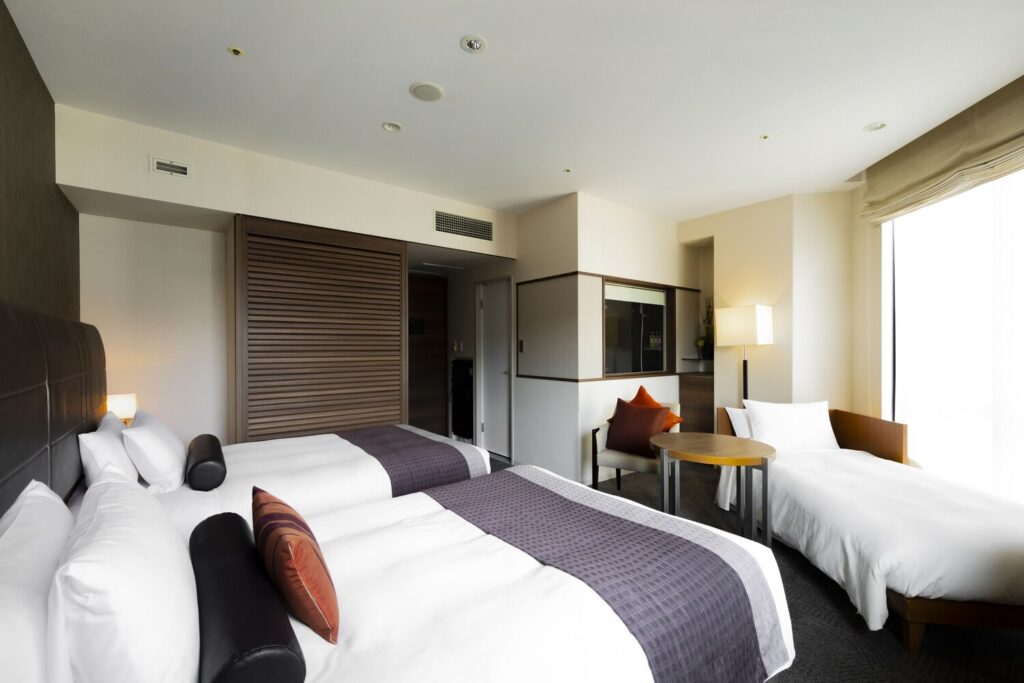
Tokyu Stay Kamata – Tokyo Haneda
4-23-1 Kamata, Ota-ku
$84 a night, budget
Twenty minutes from Haneda, and there’s a washer-dryer in the room, so you can do the whole trip out of one bag. The Keikyu line puts you into Shinagawa in about eleven minutes. Kamata is a working suburb though, so the neon is a train ride away rather than out the window.
Kabukicho, Shinjuku
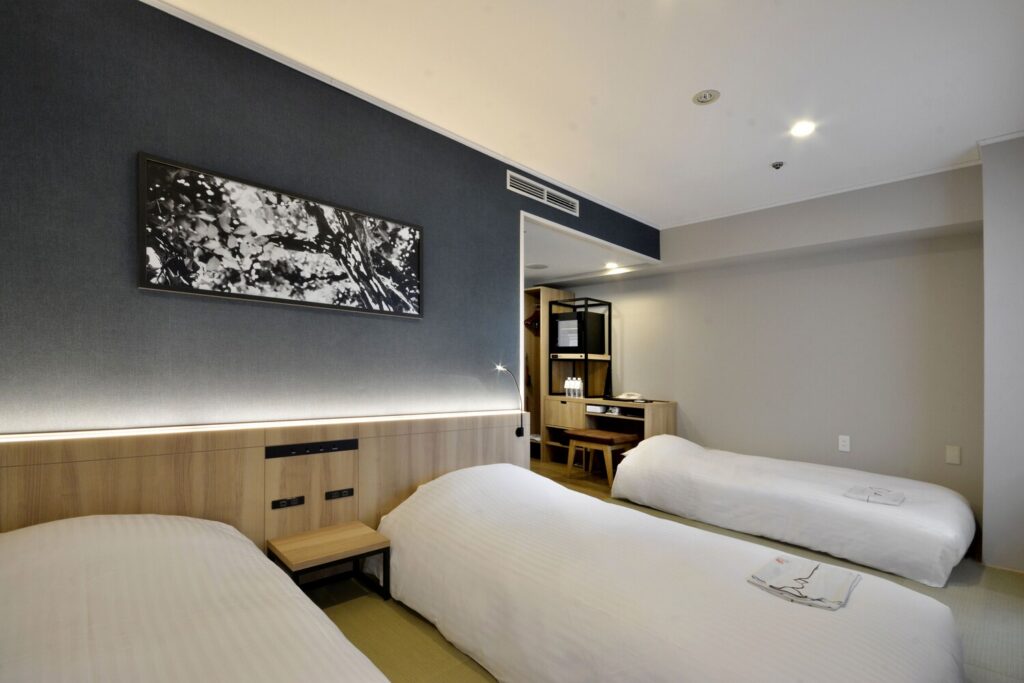
Premier Hotel Cabin Shinjuku
2-40-3 Kabukicho, Shinjuku-ku
$104 a night, budget
A real room with a real door at close to capsule money, ninety seconds from where Kabukicho’s neon starts, and most rates include the breakfast buffet. Right for a first timer who wants the noise on the doorstep. Rooms are small even by Tokyo standards and the street never quiets down.
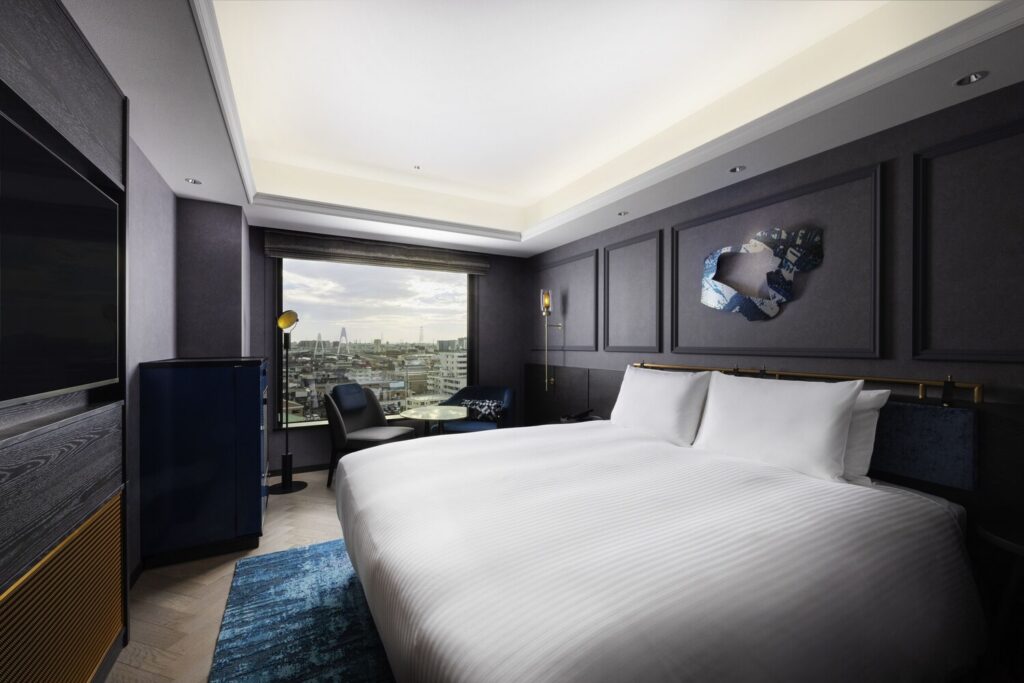
Haneda Airport
Mercure Tokyo Haneda Airport
1-2-11 Haneda, Ota-ku
$163 a night, mid
Rated 9.8 across more than two thousand reviews and standing at the airport, so it’s the obvious first night when you land at ten at night, or the last before a 7am flight. It’s a landing pad rather than a sightseeing base. Book one night, not five.
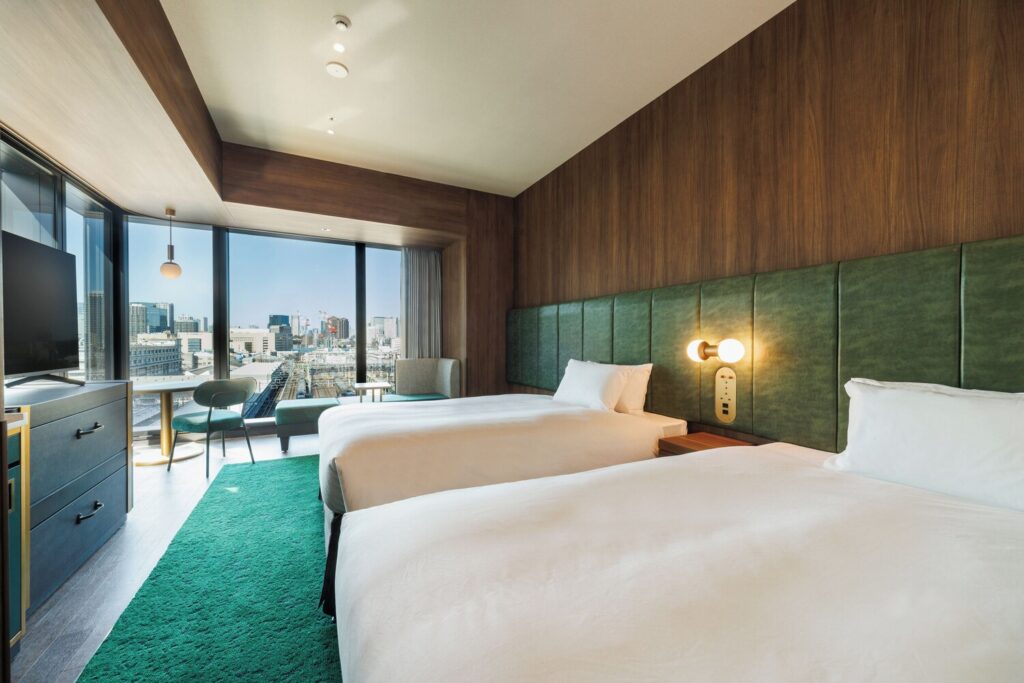
Oimachi, Shinagawa ward
HOTEL METROPOLITAN OIMACHI TRACKS TOKYO
2-1-3 Hiromachi, Shinagawa-ku
$172 a night, mid
A 2024 build sitting on top of Oimachi station, with a rooftop bar and two stops to Shinagawa if a Shinkansen day is on the plan. The Keihin-Tohoku and Rinkai lines both run from underneath you. The 9.6 is young though, a couple of hundred reviews behind it rather than thousands.
Takadanobaba, on the Yamanote loop
SOTETSU GRAND FRESA TAKADANOBABA
1-27-7 Takadanobaba, Shinjuku-ku
$175 a night, mid
Three minutes up the Yamanote line from Shinjuku, in a student district where the ramen is still under $8 and nobody is selling you anything. At $175 it’s the best compromise here between price and reach. Takadanobaba is functional rather than pretty, so come back to it and don’t linger in it.
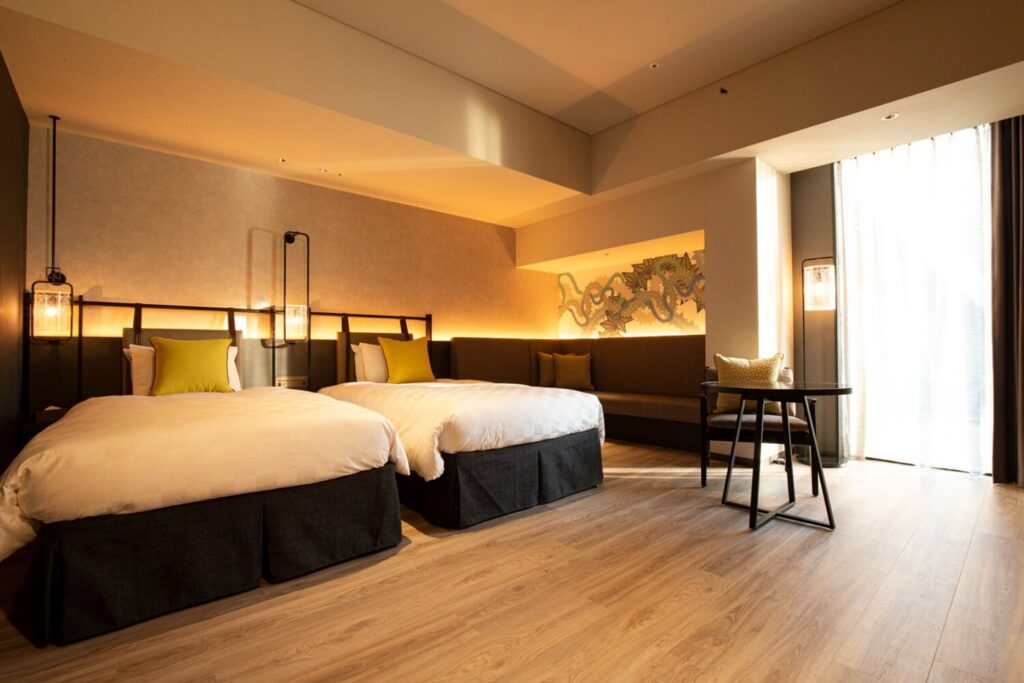
Shiomi, Tokyo Bay
Tokyo Bay Shiomi Prince Hotel
2-8-16 Shiomi, Koto-ku
$195 a night, mid
Nearly six thousand reviews holding a 9.6, which is the consistency a nervous first timer should buy. Big and calm, one stop from Tokyo Station, and walkable to both teamLab Planets and the Toyosu market for a 5am start. The bayside blocks have almost no street life after dark.
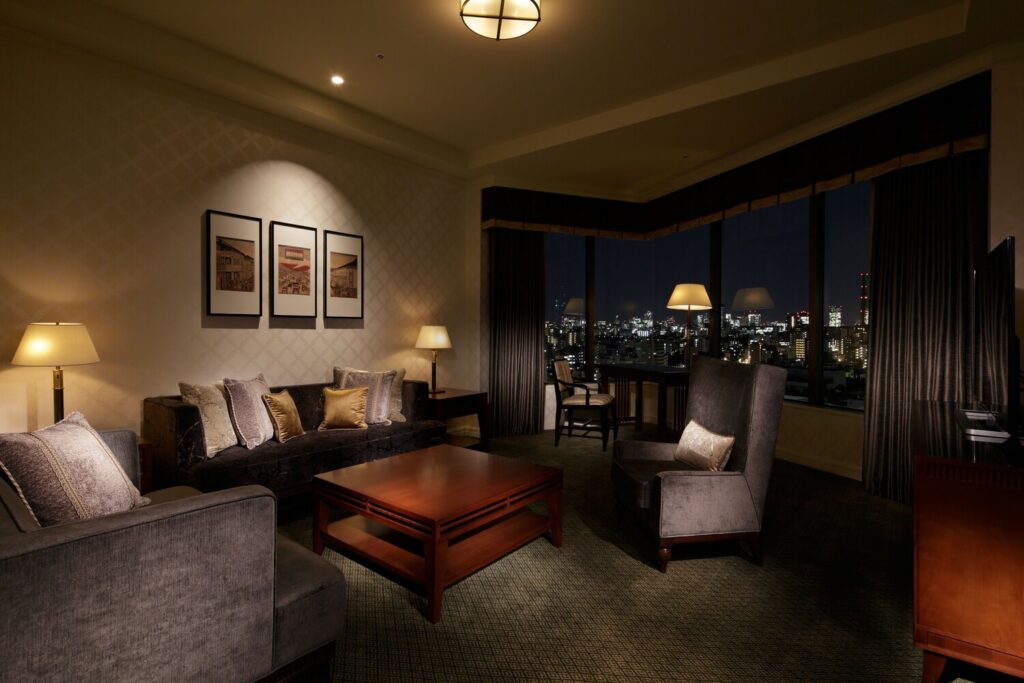
Mejiro, Bunkyo ward
Hotel Chinzanso Tokyo
2-10-8 Sekiguchi, Bunkyo-ku
$292 a night, upper
Seventeen acres of garden with a sea-of-clouds mist show at dusk, inside the city limits. The one splurge on this list that people still describe years later, and a real antidote on the day the crowds have worn you flat. Mejiro is a change of trains from most of the nightlife.
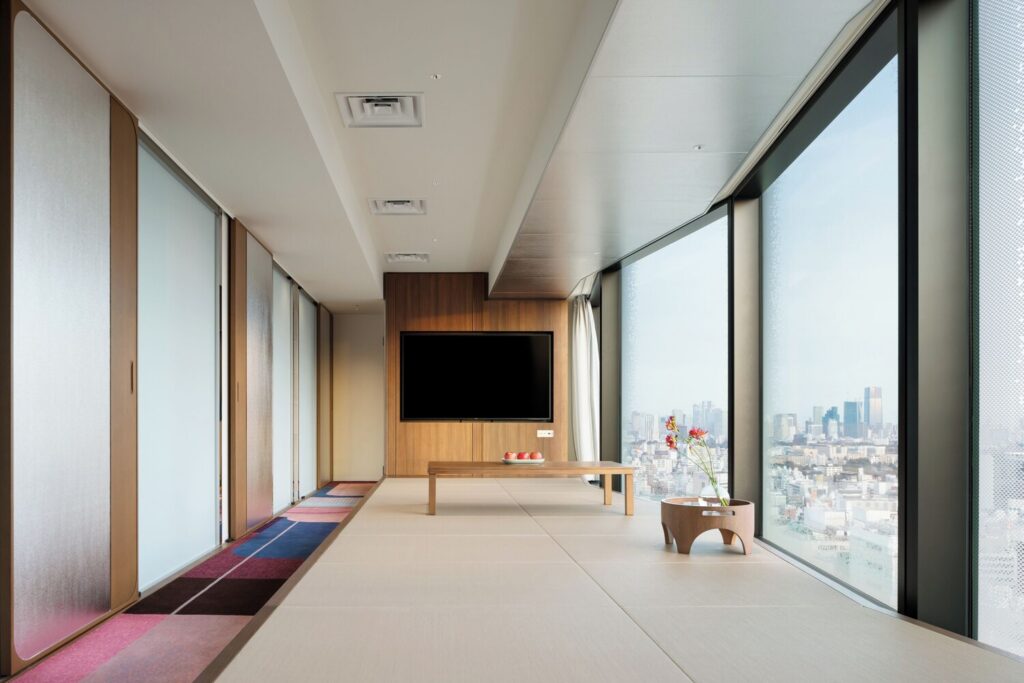
Kabukicho, inside the Tokyu Kabukicho Tower
HOTEL GROOVE SHINJUKU, A PARKROYAL Hotel
1-29-1 Kabukicho, Shinjuku-ku
$325 a night, upper
The nightlife is in the building and the floor-to-ceiling neon view is the reason you booked. Good for anyone who wants Tokyo at full volume with a quiet room to retreat into ten seconds later. At $325 you’re paying for the window rather than for floor space.
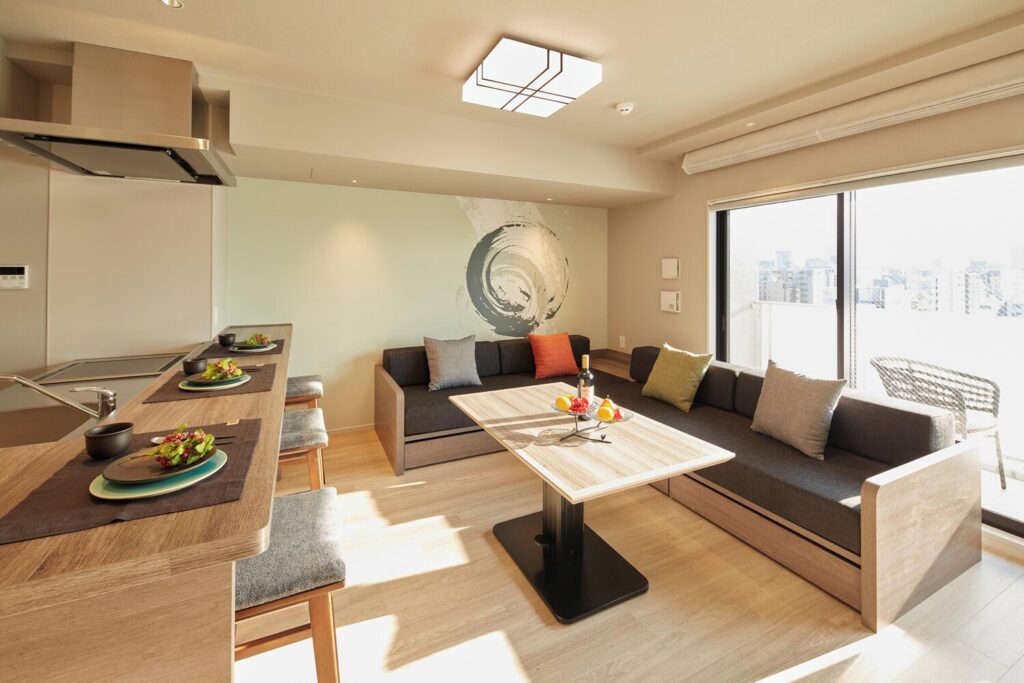
Asakusa
GRAND MONday ASAKUSA
2-16-5 Nishiasakusa, Taito-ku
$377 a night, upper, sleeps up to seven
Apartment-style with a full kitchen and a soaking tub, ten minutes from Senso-ji, sleeping up to seven. Split between a family or two couples it undercuts three separate rooms and gives you somewhere to cook when the restaurants feel like too much. The $377 is a whole-party price, not a room rate.
Where should you sleep?
Which area suits you comes down to what you’re paying for a room and how late you’re out.
Every place we track, by area
Kabukicho
- BELLUSTAR TOKYO, A Pan Pacific Hotelluxury
- HOTEL GROOVE SHINJUKU, A PARKROYAL Hotelupper-end
- Premier Hotel Cabin Shinjukubudget
Asakusa
- GRAND MONday ASAKUSAupper-end
Haneda
- Mercure Tokyo Haneda Airportmid-priced
Mejiro / Bunkyo
- Hotel Chinzanso Tokyoupper-end
Toranomon
- The Okura Tokyoluxury
Odaiba
- Grand Nikko Tokyo Daibamid-priced
Shinagawa / Oimachi
- HOTEL METROPOLITAN OIMACHI TRACKS TOKYOmid-priced
Shiomi / Tokyo Bay
- Tokyo Bay Shiomi Prince Hotelmid-priced
Takadanobaba
- SOTETSU GRAND FRESA TAKADANOBABAmid-priced
Kamata / Haneda side
- Tokyu Stay Kamata – Tokyo Hanedabudget
Shinjuku
- Anshin Oyado Shinjuku – Caters to Menbudget
Iidabashi / Shinjuku edge
- HOP INN Tokyo Iidabashibudget
What to do
The paid things worth booking in Tokyo are cheap by anyone’s standards. A guided two hours round Senso-ji is $30, the Kabukicho night walk $25, the Tokyo Tower deck less again. Fuji day trips only work on a clear forecast, so book the night before. The sumo and chanko dinner show is the best-reviewed thing in the whole Tokyo pull.
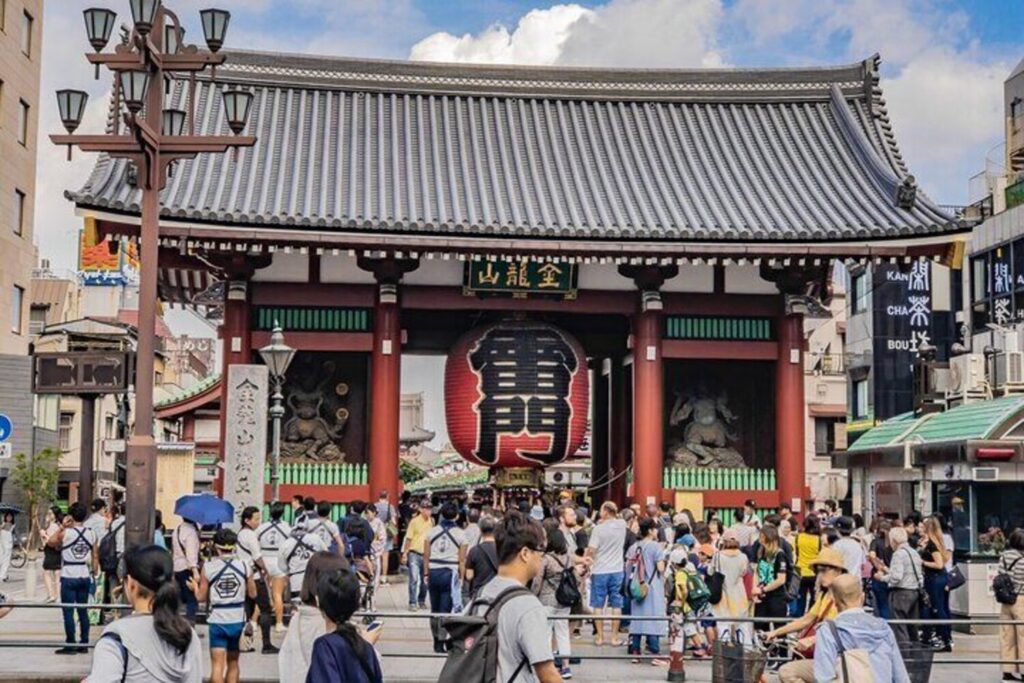
Asakusa Senso-ji Temple and Old Tokyo Walking Tour
Book it for your second morning, when the jet lag has you up early anyway. Two hours and $30. A guide turns Senso-ji from a crowded photo stop into somewhere that makes sense, and you come away knowing which back streets to return to for lunch.
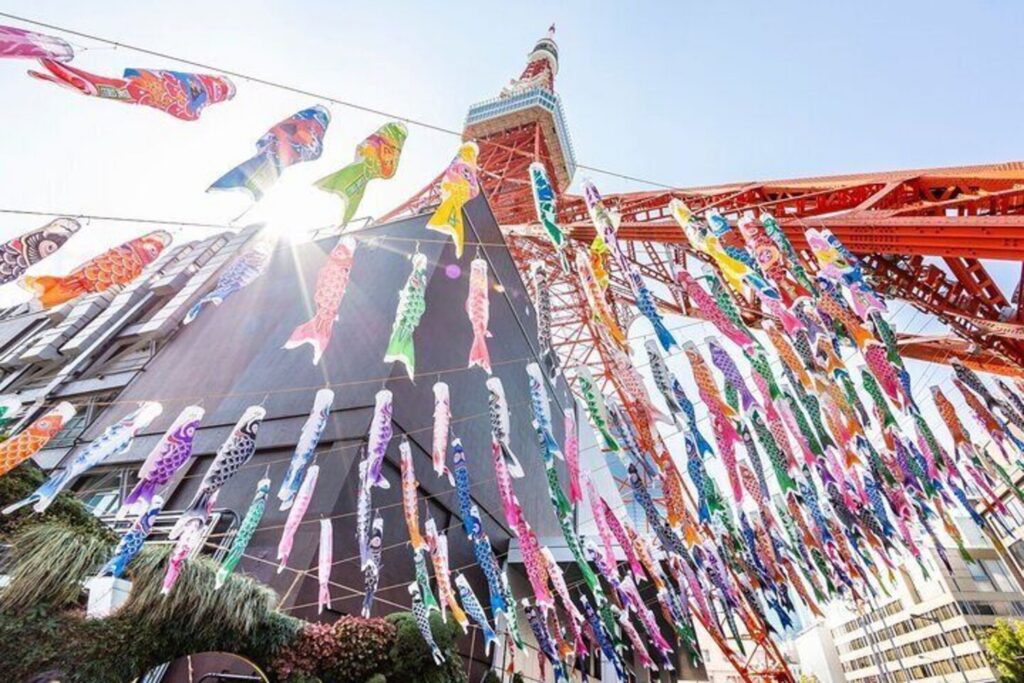
Tokyo Tower Observatory Main Deck Admission Ticket
The cheapest big view in the city at $18, and rarely a queue for it. Skytree is taller, but only Tokyo Tower puts Tokyo Tower in your photograph. Go in daylight for the grid rather than at sunset, when everyone else has had the same idea.
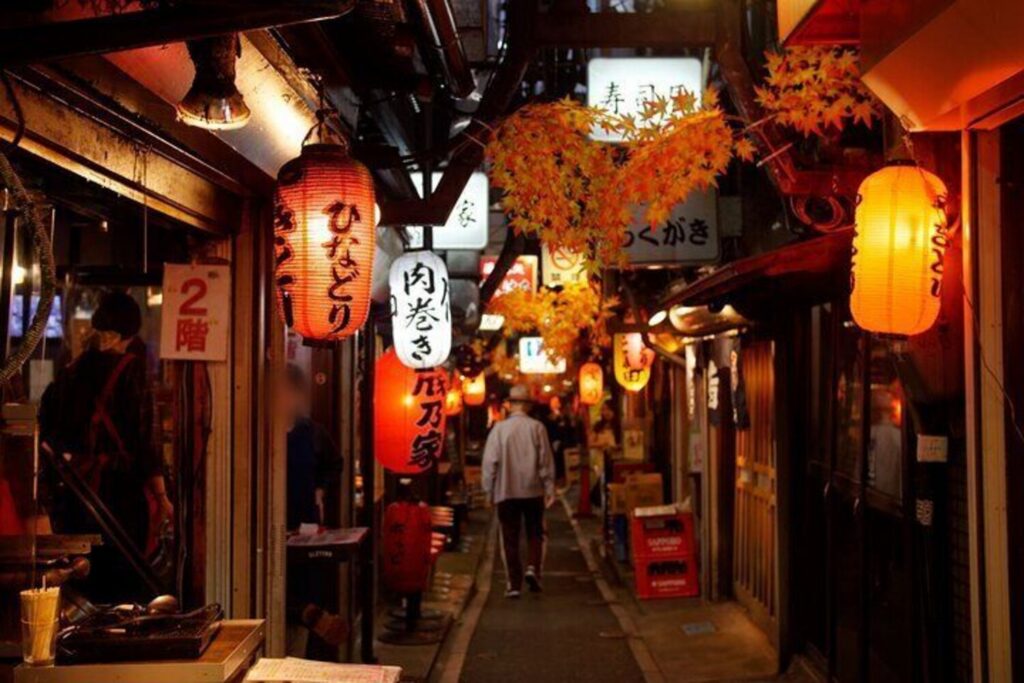
The Dark Side of Tokyo – Night Walking Tour Shinjuku Kabukicho
Two hours through Kabukicho with someone who can explain the host clubs, the Golden Gai alleys and what is going on around you. If one corner of Tokyo intimidates you, $25 is the cheap way to defuse it on night one.
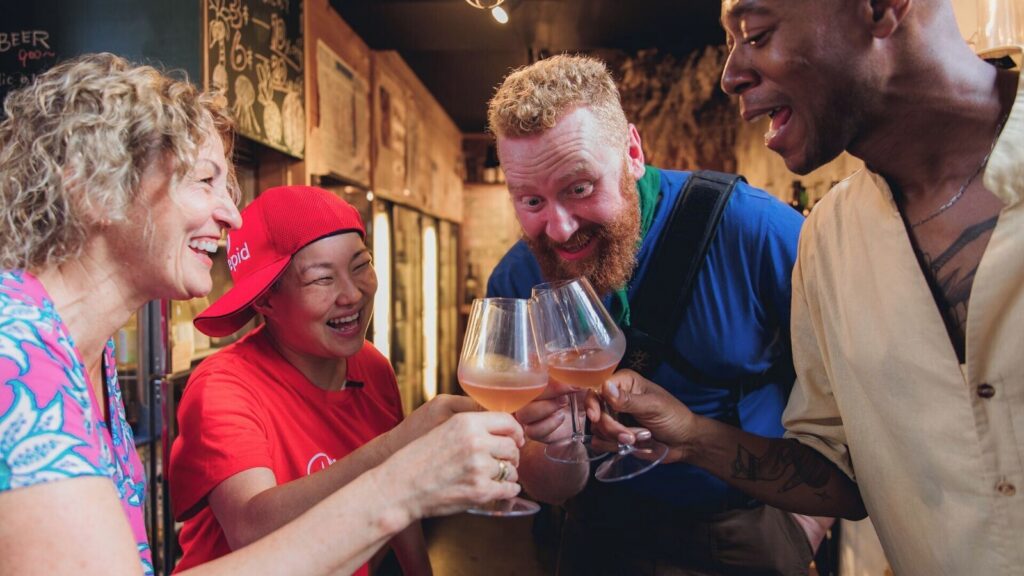
Tokyo Evening Food Adventure: Hidden Eateries & Local Flavours
Three hours through izakaya whose doors you’d never push alone, which is the problem a first trip keeps running into. It replaces dinner rather than adding to it, so the real cost lands nearer $60 than the $89 headline.
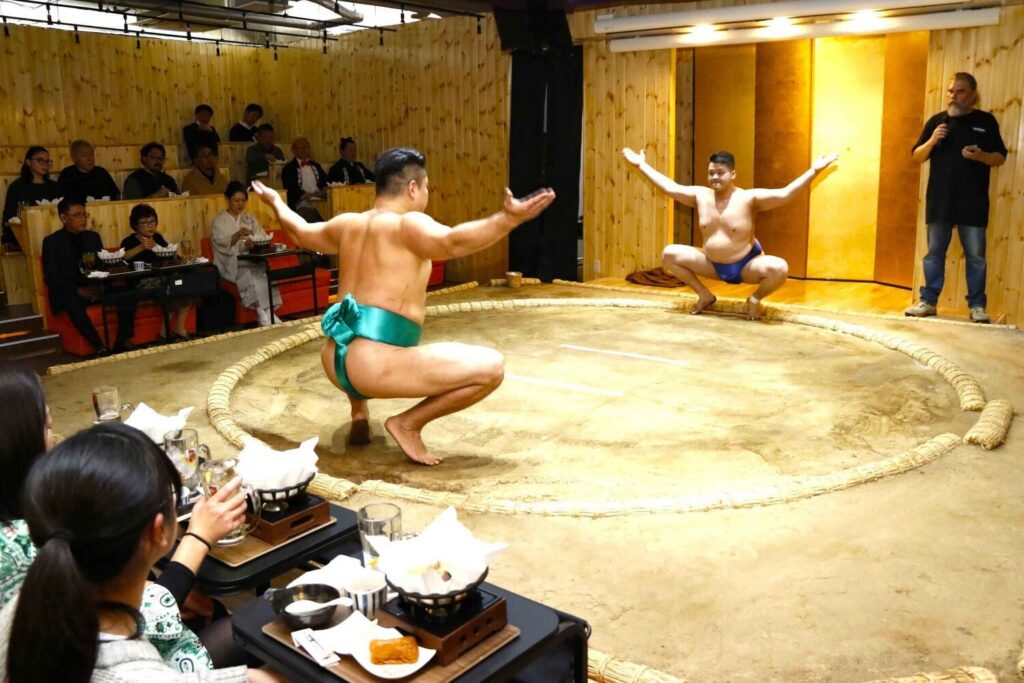
Tokyo: Sumo Entertainment Show with Chicken Hot Pot & Geisha
The highest-rated booking in this data, with 1,585 reviews behind a 9.8. Retired rikishi, a geisha dance and a chanko-nabe dinner inside one two-hour sitting, so your evening and your meal are settled on the night you’re too tired to choose either.
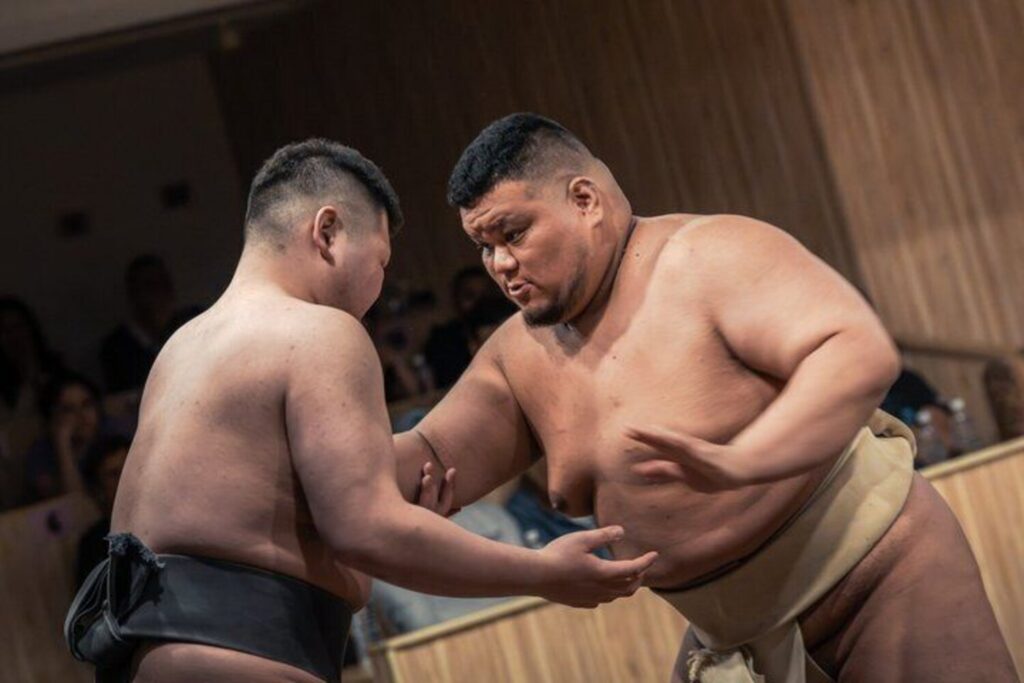
Tokyo Shinjuku Sumo Show & Experience with Photo
The show without the dinner, ninety minutes and $77, ending early enough to eat wherever you want afterwards. The grand tournaments only run six times a year, so most trips miss them, and this is what you book instead.
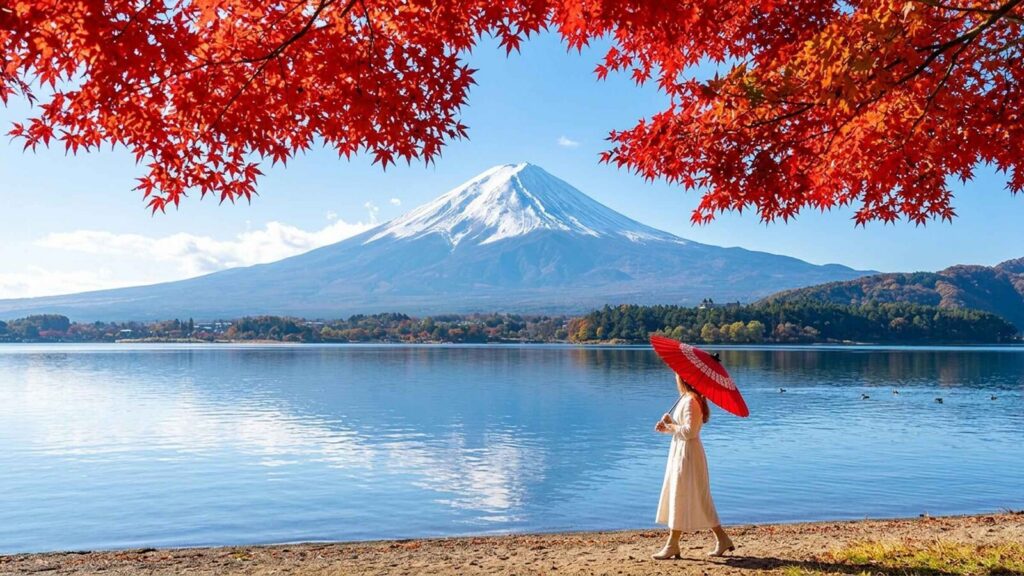
Tokyo: Mt Fuji, Oishi Park, Lake Kawaguchi & Oshino Hakkai
The cheapest Fuji day at $53, and it stops at Oishi Park for the flowers-and-mountain frame everyone comes home with. Book it the night before on a clear winter forecast, because on a hazy day you’ve paid $53 to look at cloud.
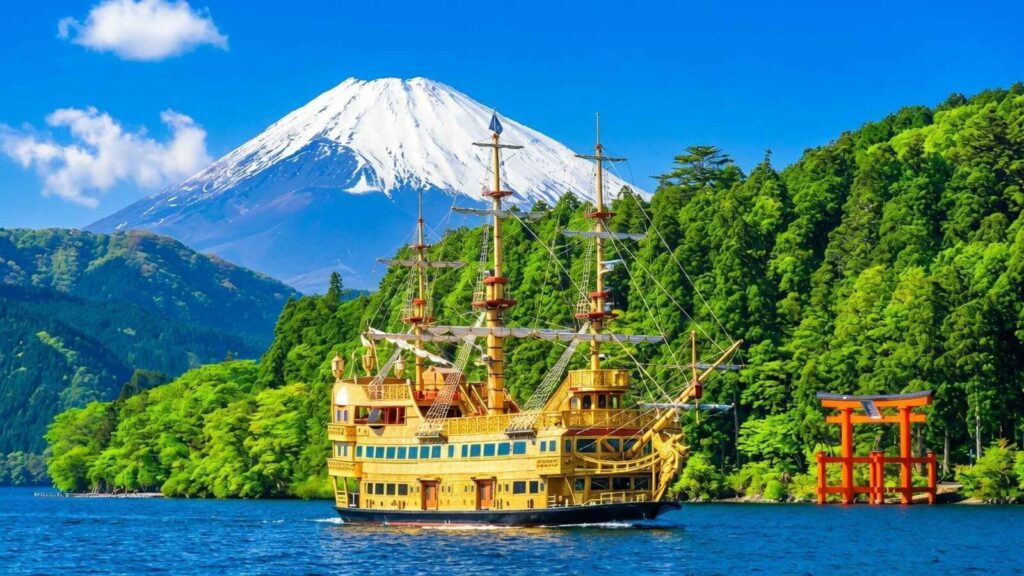
Tokyo: Mt Fuji & Hakone Ropeway, Lake Ashi Cruise, Owakudani
Fuji plus the Hakone ropeway, the Lake Ashi cruise and the sulphur vents at Owakudani, so the day still earns its keep when the mountain stays hidden. Nine dollars more than the cheapest Fuji coach, and three more stops for it.
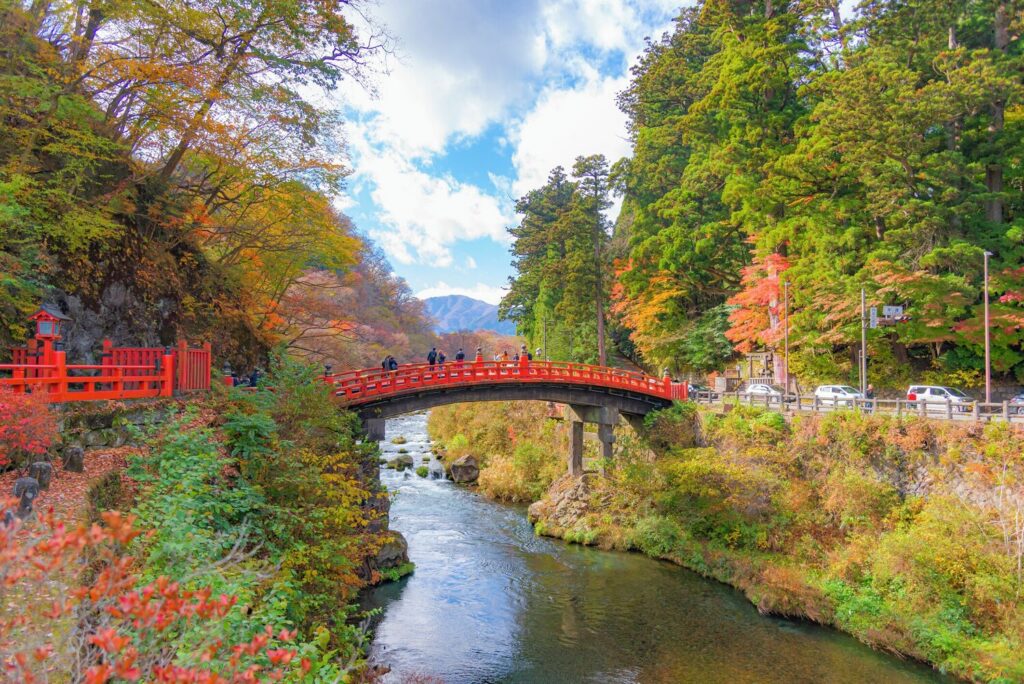
Nikko, Kegon Waterfall & Chuzenji Lake from Tokyo
Eleven hours door to door for UNESCO shrines, a 97-metre waterfall and, in the last week of October, the best autumn colour within reach of Tokyo. Swap it in for the Fuji day when the mountain is under cloud all week.
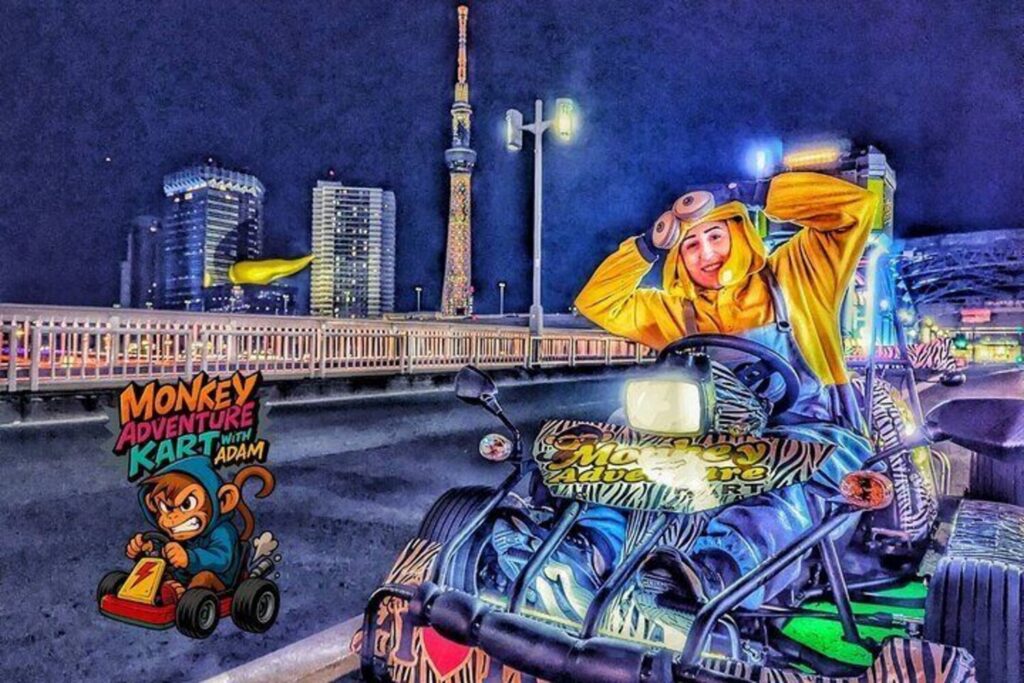
Tokyo Go Kart Tour Asakusa, Skytree, and Akihabara
Street karts past Skytree and through Akihabara, $96 for an hour and ten minutes. You need an International Driving Permit physically in your hand. Arrange it at home before you fly, or you’ll be turned away at the door with no refund.
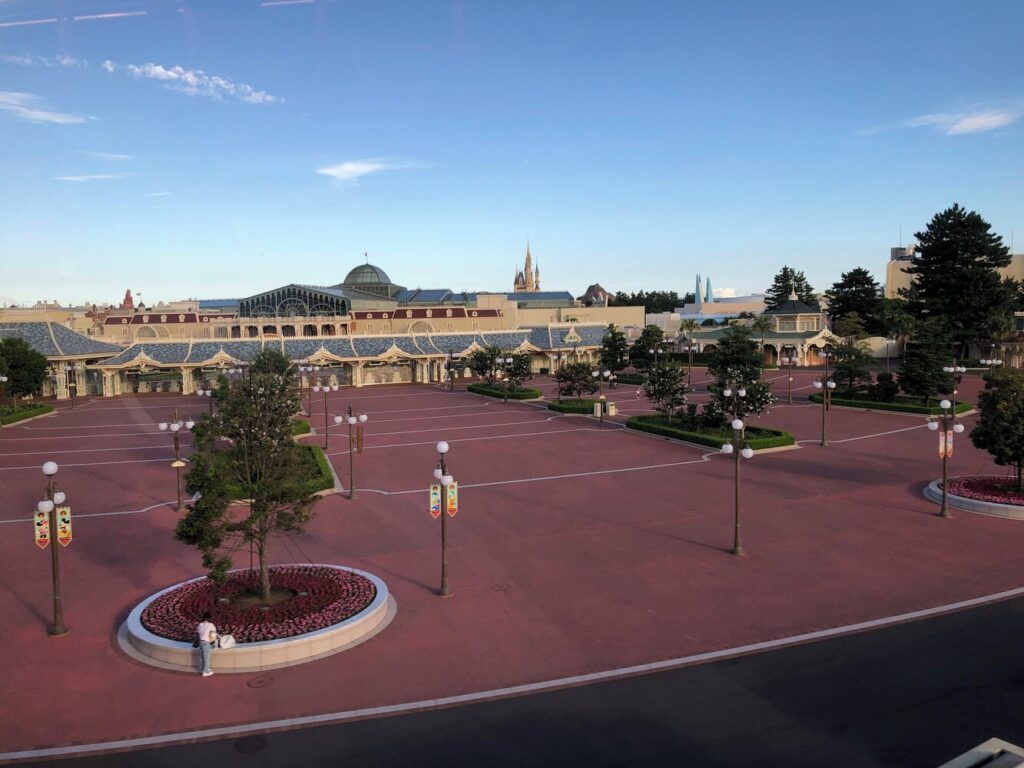
Tokyo Disneyland Admission Ticket with Round-Trip Shared Transfers
Ticket and hotel transfers in one booking at $180, which takes every logistics decision out of a day that’s already long. This one carries no free cancellation, the only thing on the page you can’t change your mind about once it’s paid.
Eat here
Tokyo’s own cooking is Edo food. Fast, cheap, single-ingredient obsessions built for a working city, from nigiri sushi that started as a street snack to buckwheat soba eaten standing up, charcoal-grilled eel, offal skewers, clam-and-miso rice from the fishing flats of Fukagawa, and monjayaki scraped off a griddle. The city runs on tens of thousands of one-dish specialists, most of which serve about six things and have done so for decades. If a menu is long and laminated with photos in six languages, you’re eating the tourist version of a city whose habit is a counter with eight seats and a ticket machine at the door.
Dishes to know
- Edomae nigiri-zushi
- Hand-pressed vinegared rice with a slice of fish, originally an Edo street snack eaten in a couple of bites.
- Traditionally the fish is cured, marinated or lightly cooked rather than raw and cold. Counters that serve omakase set the pace, and lunch sets are far cheaper than the same counter at night.
- Soba
- Buckwheat noodles served cold with dipping sauce (mori/zaru) or hot in broth.
- Tachigui (standing) soba counters inside and beside train stations are the everyday version. Slurping is expected, and a serious shop lists its buckwheat ratio, like nihachi at 80% buckwheat.
- Monjayaki
- A loose, gravy-like cabbage-and-batter griddle dish you cook yourself and scrape up with tiny metal spatulas.
- Tokyo’s own answer to okonomiyaki, concentrated in Tsukishima. Eat it straight off the hotplate in small scrapes rather than plating it up.
- Unagi kabayaki / unadon
- Freshwater eel split down the back, grilled, steamed, then glazed and grilled again over charcoal, served on rice.
- The Kanto steaming step is what makes it soft, and a Tokyo shop that skips it is doing the Osaka style. Ordering takes 20-40 minutes at a proper shop, and that wait is a good sign.
- Fukagawa-meshi
- Rice topped or cooked with a miso broth of littleneck clams, tofu and spring onion.
- Old fishermen’s fast food from the Fukagawa and Monzen-nakacho side of the river. It comes in a soupy ‘donburi’ style and a steamed ‘takikomi’ style.
- Yakitori and motsuyaki
- Chicken parts, and separately pork offal, skewered and grilled over binchotan charcoal.
- Order by the skewer and say tare (sauce) or shio (salt). The smoky under-the-tracks stalls in Yurakucho and Shinjuku’s alleys are motsuyaki as much as yakitori, and most open only from late afternoon.
- Tonkatsu / teishoku
- Breaded deep-fried pork cutlet served as a set with rice, shredded cabbage and miso soup.
- The teishoku set format, a main plus rice, soup and pickles, is how the city eats lunch. Rice and cabbage refills are usually free, and you can ask for okawari.
- Ramen (and tsukemen)
- Wheat noodles in a seasoned broth. Tsukemen serves thick noodles beside a concentrated dipping broth.
- Almost every shop is a single-style specialist. Order at the shokkenki ticket machine by the door, hand the ticket over, eat fast and go. Lingering after you finish is bad form at a queued counter.
- Chanko-nabe
- The big communal hotpot of meat, seafood and vegetables eaten by sumo wrestlers.
- A Ryogoku speciality, near the sumo stadium. It’s a shared sit-down dinner for two or more rather than a solo bowl.
- Kissaten morning set
- Thick-cut buttered toast, boiled egg and coffee served as a fixed morning set in an old-style coffee house.
- Usually served until around 11am, and the same cafes do napolitan spaghetti and pudding. It’s the closest thing Tokyo has to a sit-down breakfast habit.
Where to eat
- Tsukishima / Monzen-nakacho (Shitamachi riverside)
- Monja alleys and old Fukagawa clam rice in a low-rise neighbourhood where the restaurants serve locals on weeknights rather than coach parties.
- Yurakucho / Shinbashi under the tracks
- The classic after-work grilled-offal-and-beer strip. Smoke, plastic stools, salarymen, and standing bars that fill from 6pm and empty by 10.
- Koenji and Nakano (Chuo line west)
- Cheap independent curry shops, tiny yakitori grills and standing bars packed into alleys. Prices and menus are aimed at the people who live there.
- Sangenjaya / Shimokitazawa (Setagaya)
- Residential-scale nightlife, narrow lanes of six-seat izakaya and second-wave coffee, where you can walk in without a reservation on a weekday.
- Kita-Senju or Ueno/Ameyoko
- Working shopping streets. Croquettes and prepared food from butchers and delis by day, cheap standing seafood and skewers by early evening.
What to walk past
Anything a tout walks you to. Kabukicho’s Central Road, Roppongi and the Shibuya centre-gai side streets are where bottakuri (inflated-bill) bars operate, usually on upper floors of multi-tenant buildings with no real online presence, an all-you-can-drink pitch and an undisclosed seat charge. On the food side, skip the Tsukiji Outer Market stalls selling giant novelty skewers to queues of tourists. Be wary of any restaurant with a big photo menu in several languages and a person outside inviting you in. Tokyo’s good shops don’t need to recruit.
Markets
- Tsukiji Outer Market
- Roughly 5:00-14:00, closed Sundays and public holidays, and many shops close on the Wednesdays when Toyosu is shut
- Still a working retail street for knives, dried goods, tamagoyaki and seafood, with sushi breakfasts from early morning. Go before 9am to see it trading rather than performing.
- Toyosu Market
- Tue-Sat generally, closed Sundays and some Wednesdays. Tuna auction viewing from around 5:30am, restaurants from early morning
- The wholesale fish market that replaced Tsukiji’s inner market in 2018, with viewing decks over the auction floor and market-worker restaurants upstairs.
- Ameyoko (Ueno)
- Most stalls roughly 10:00-19:00 daily, individual shops vary
- A loud post-war street market under the train tracks for dried seafood, fruit, spices and cheap standing seafood bars. Good for grazing rather than sitting.
- Depachika (department store food basements, e.g. Shinjuku, Ginza, Ikebukuro)
- Roughly 10:00-20:00 daily, with discounts on prepared food in the last hour or two
- More a department store basement than a street market, and the best single survey of Japanese prepared food anywhere in the city. The late-evening markdowns on bento and sashimi are a local habit.
When people eat
Breakfast is small and early, or skipped. A konbini onigiri, a standing soba, or a kissaten toast set before eleven. Lunch is the sharp one, 11:30 to 14:00, when almost every restaurant, expensive sushi and tempura counters included, runs a cheap fixed set. Then a lot of shops shut until dinner. Izakaya fill from about seven and take last orders around eleven outside the nightlife districts. Turning up at half three expecting a proper meal marks you as a visitor, and it’s the main reason people come home saying Tokyo food was mediocre. At that hour the only doors open are the ones open for tourists.
Eating cheaply
Eat at counters and vending-machine shops. Ramen, curry, gyudon, tonkatsu and standing soba all take a shokkenki ticket machine at the door, often cash or IC card only. Feed the money in first, press the top-left button, which is usually the shop’s signature bowl, then hand the ticket to the cook and sit. Lunch sets between 11:30 and 14:00 save you more than anything else in the city, and often include free rice and cabbage refills. After that, convenience-store onigiri and egg sandwiches are good, supermarket and depachika bento get marked down heavily in the last hours of trading, bakeries and station stands do cheap savoury pastries, and standing bars (tachinomi) let you drink and snack without a cover charge. Seated izakaya usually add an otoshi, a small compulsory appetiser charge, and it isn’t a scam.
If you don't eat everything
- Vegetarian
- Hard, and the trap is stock rather than visible meat. Dashi made from katsuobushi (bonito) is in miso soup, noodle broths, simmered vegetables, tamagoyaki and most ‘vegetable’ dishes, and ramen broth is usually pork or chicken even when the toppings look vegetal. Asking ‘is it vegetarian?’ will often get a yes because no meat is visible. Ask instead for ‘katsuo-dashi wa haitte imasu ka?’ (does it contain bonito stock?) and ‘niku to sakana no dashi nashi de dekimasu ka?’ (can it be made without meat or fish stock?). Reliable options are shojin ryori (Buddhist temple cuisine), dedicated vegan places, kombu-dashi soba shops that say so, and inari or umeboshi onigiri. Zaru soba with a plain sauce isn’t safe by default, because the tsuyu contains dashi.
- Gluten free
- Difficult. Standard Japanese soy sauce is brewed with wheat, so it’s in almost every sauce, dressing, teriyaki, tsuyu and simmered dish. Soba is usually cut with wheat flour unless the shop states juwari (100% buckwheat), and miso, mirin-based glazes and imitation crab are risks too. Carry a Japanese celiac card, seek out tamari-based or certified gluten-free restaurants, of which Tokyo has a small but growing number, and treat plain rice, sashimi with salt, grilled fish with shio seasoning and yakitori ordered shio rather than tare as the safest defaults. Cross-contamination in fryers and shared noodle water is common and mostly not understood.
- Halal and other
- Manageable with planning. Tokyo has a growing set of halal-certified restaurants and halal ramen and yakiniku shops, concentrated around Shinjuku, Asakusa, Ueno and near the Tokyo Camii mosque in Yoyogi-Uehara, plus prayer rooms in major stations, airports and some department stores. Assume mirin and cooking sake are in most sauces and that pork stock and lard are everywhere, so verify rather than infer from a dish’s name.
Free and cheap
Things worth your morning that cost nothing, or close to it. Opening hours change, so check before you walk up a hill for one.
Nezu, Bunkyo ward
Nezu Shrine torii tunnel
It’s free and open roughly 6am to 6pm depending on the season. Come right at opening or on a weekday after 3pm and you’ll have the tunnel to yourself. Azalea garden entry is about $3.50 in April.
Takanawa Gateway, Minato ward
LUFTBAUM at NEWoMan Takanawa
Free, open 8am to midnight, with the rooftop gardens closing at 11pm. It’s a few minutes from Shinagawa on the JR Takanawa Gateway stop.
Yotsuya and Nihonbashi
Tokyo Fire Museum and Currency Museum
Both are free and neither needs a booking. They open roughly 9.30am to 5pm and close Mondays. The fire museum is in Yotsuya, the currency one in Nihonbashi.
Around the city
The Toyosu tuna auction decks open around 5am and cost nothing. Senso-ji's grounds never close and Meiji Jingu opens at sunrise.
The Tokyo Metropolitan Government Building observation decks are free, 45th floor at 202m. The south deck runs 9:30am to 10pm with last entry at 9:30pm, the north deck 9:30am to 5:30pm
Other free decks
Bunkyo Civic Centre at 105m and Carrot Tower in Sangenjaya at 124m
Senso-ji, Meiji Jingu, Yasukuni and Nezu shrine grounds are all free to enter
What most visitors miss
For the quieter corners, I’d send people to the torii tunnel at Nezu Shrine, fifteen minutes from Ueno, and the free deck at NEWoMan Takanawa over the bay. Under the tracks at Yurakucho the yakitori arches do beer at about $3. A kissaten morning set before 11am is the breakfast ritual, and Kawagoe makes an easy afternoon out.
viewpointNezu, Bunkyo ward
Nezu Shrine torii tunnel
1-28-9 Nezu, Bunkyo-ku
A vermillion torii tunnel a fifteen minute walk from Ueno Park that rivals Fushimi Inari in Kyoto for the photograph, and barely appears on first timer itineraries because Kyoto owns the reputation for this shot. The grounds are free and only the azalea garden charges.
Tip Free, open roughly 6am to 6pm depending on season, quietest right at opening or on a weekday after 3pm, azalea garden entry is about $3.50 in April.
viewpointTakanawa Gateway, Minato ward
LUFTBAUM at NEWoMan Takanawa
A 28th floor deck over Tokyo Bay and the Rainbow Bridge that opened in September 2025, in a station most first timers never route through. Free to go up, and with none of the forty five minute queues now forming at the city hall observatory in Shinjuku.
Tip Free, open 8am to midnight with the rooftop gardens until 11pm, reachable in minutes from Shinagawa on the JR Takanawa Gateway stop.
ritualCitywide, best in old coffee houses like Kayaba Coffee in Yanaka or Chatei Hatou in Shibuya
Kissaten morning set
A retro coffee house ritual where ordering coffee before 11am gets you toast, a boiled egg and salad thrown in for almost nothing. It’s a holdover from postwar Nagoya that survives in Tokyo’s old kissaten, and it’s the closest the city comes to a sit-down breakfast.
Tip About $3 to $6 for coffee plus the full set, order before 11am, cash is safest at the older independent shops.
foodUnder the JR tracks between Yurakucho and Ginza
Yurakucho Gado-shita yakitori alley
Decades old standing bars and yakitori stalls wedged into the railway arches, feet from Ginza’s luxury storefronts, where a beer runs about $3 and a skewer about $1. Most first timers walk into Ginza and never look under the tracks. Go and look.
Tip Best from 6 to 8pm on a weekday when the after work crowd fills the counters, no reservation, just find an open stool under the arches.
day tripSaitama, 30 to 45 minutes from Ikebukuro
Kawagoe day trip
A preserved Edo period warehouse district nicknamed Little Edo that most first timers skip in favour of Kamakura or Nikko, though it’s closer and cheaper and small enough to see on foot in an afternoon. The bell tower still rings four times a day.
Tip About $3 to $6 each way on the Tobu Tojo Line from Ikebukuro, 30 minutes on the fastest train, a full day including food runs $15 to $25.
museumYotsuya (fire) and Nihonbashi (currency)
Tokyo Fire Museum and Currency Museum
Two free museums that never see a queue, because they sit outside the temple and tech circuit first timers plan around. One has real Edo period fire ladders and equipment, the other the history of Japanese money down to counterfeit detection. An easy hour each.
Tip Free entry, both open roughly 9.30am to 5pm and closed Mondays, no booking needed.
day tripChiba, across Tokyo Bay via the Tokyo Bay Ferry
Nokogiriyama Jigoku Nozoki
Getting there means a ferry across the bay rather than a straight train line, so almost no first timer hears about it. There’s a stone Buddha carved into a cliff face larger than Kamakura’s famous one, and a rock ledge called Jigoku Nozoki, Hell Peek, hanging out over the water.
Tip Take the Tokyo Bay Ferry from Kurihama for about $8 one way, ropeway to the summit is about $7 return, budget a full day including the boat.
Packing list
Save a month and a few things to do and this list grows to match.
- Type A/B plug adapter
Common questions
Whether to buy a Japan Rail Pass is the question everyone asks. For a Tokyo-only trip, no. The national seven-day pass costs over $300 and barely covers anything you’d ride inside the city. Get a Suica or Pasmo at the airport instead. A tap is a couple of dollars and a normal day of trains comes to under ten.
What is the cheapest month to visit Tokyo?
June, at about $105 a night against $223 in November. It’s the tsuyu rainy season and that’s what makes it cheap, though the rain rarely lasts a whole day.
January comes close behind, with cold dry air and the clearest look at Fuji you’ll get all year. What you want to dodge is the last week of March into early April, when sakura pushes the same rooms up near $194.
How many days do you need in Tokyo on a first trip?
Five full days covers the city one district at a time without rushing, and seven lets you add a Fuji or Nikko day and a slow morning. Under three days and you’ll spend the trip on trains, which is how people end up saying Tokyo overwhelmed them.
Do I need a Japan Rail Pass, or is a Suica card enough?
A Suica or Pasmo card is enough. The JR Pass only pays off when you’re riding Shinkansen between cities, and the seven-day national pass costs north of $300.
Inside Tokyo a tap is a couple of dollars and a normal day of trains lands somewhere under ten. The Tokyo Metro 24-hour pass wins only if you’re making four or more metro rides in a day, which is rarer than it sounds.
Is Tokyo safe and easy to walk for a first-time visitor?
Yes on both counts, and unusually so. Station signage and most menus carry English, trains announce stops in English, and walking home at midnight is normal. The real difficulty is scale rather than danger. Distances between districts are big, so plan one neighbourhood a day and let the trains carry you between them rather than around inside them.
What is the weather like in Tokyo in the popular months?
Late March and April top out near 19C (66F) and barely rain, and sakura plus Golden Week price the rooms accordingly.
October and November are drier still, around 23C (73F) by day, and they are the best walking weather of the year. Both are peak. If you want that weather without the peak rate, take the first three weeks of December, cold and bright with the light gone early.
How do I get from Haneda or Narita into central Tokyo?
From Haneda, the Keikyu line or the monorail put you in the centre in about thirty minutes for roughly $4, on the same Suica card you use everywhere else.
From Narita, allow sixty to ninety minutes. The Keisei Skyliner or the Narita Express costs about $18 to $25, and the airport bus about $10. Buy the IC card before you leave the arrivals floor.
Is Tokyo expensive?
The bed and the flight are. Everything else undercuts most Western capitals. A filling lunch is under $8, a bowl of ramen $9, a train ride a couple of dollars, and nobody tips, ever.
A shoestring day here runs about $95 all in. Which month you book moves the total further than how carefully you eat.
How do I use jet lag instead of fighting it?
Coming from Europe or North America you’ll wake around 4am for the first three days. Plan for it. The Toyosu tuna auction decks open around 5am for free, Senso-ji’s grounds never close, and Meiji Jingu opens at sunrise. Do your photography and your temples before eight, eat a real breakfast, then nap at two rather than at eight.
Which neighbourhood should I stay in to avoid feeling lost?
Anywhere within five minutes of a Yamanote line station. The loop runs every few minutes and touches Shinjuku, Shibuya, Ueno, Tokyo Station and Shinagawa, so you’re never more than one train from your bed. Takadanobaba and Oimachi are the cheaper stops on it. Shinjuku is the loudest and the easiest to leave from.