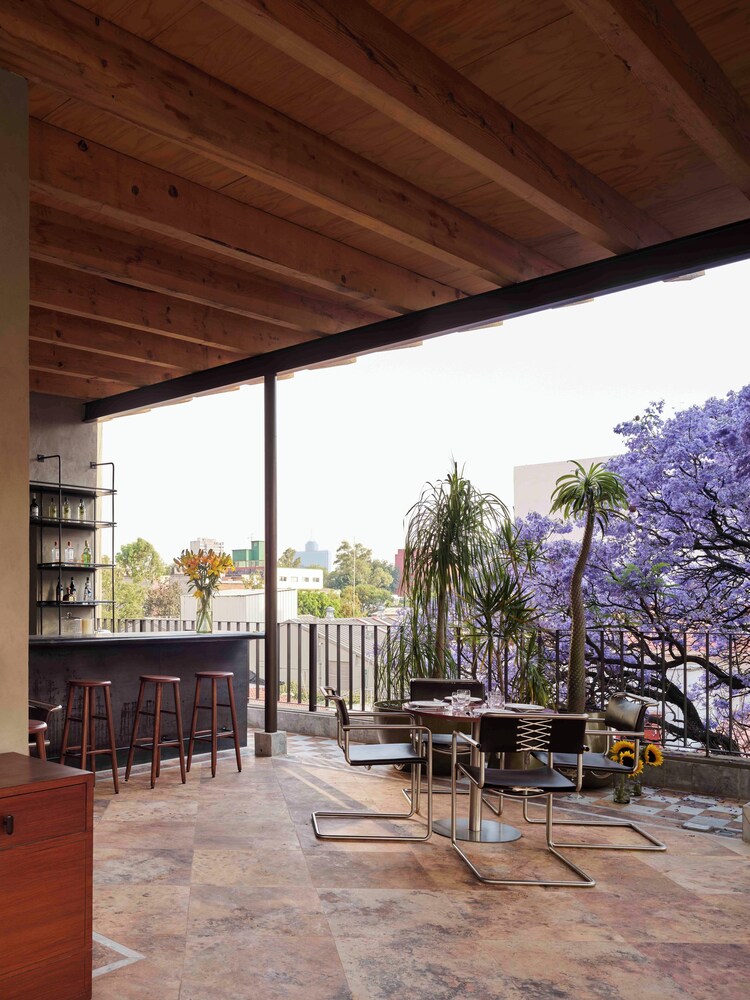
Mexico City
Mexico City is cheapest in the month the jacarandas flower
March is the cheapest month in Mexico City, a median of about $105 a night, and it’s also the month the jacarandas go purple over Roma. November costs the most, because of Dia de Muertos.
Sleep at Boutique Hotel Durango219, check prices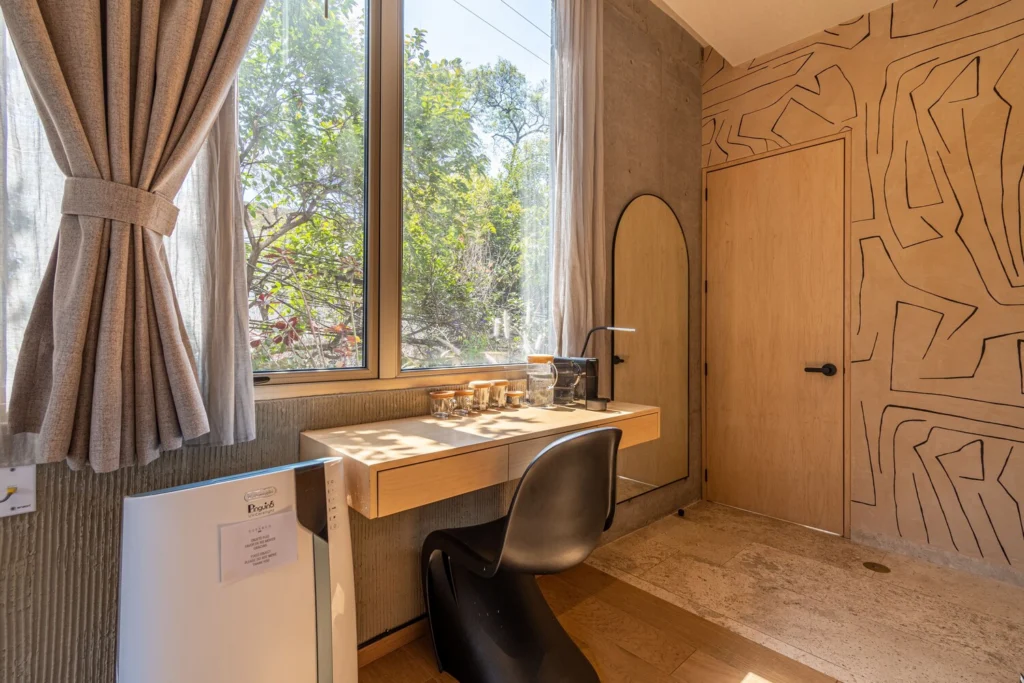 Boutique Hotel Durango219Roma Norte$92 a night, midCheck prices in Roma Norte and you can walk home from dinner, which matters more here than the room does. Breakfast is chilaquiles at a fonda counter, fried tortilla sitting in salsa under crema and egg.
Leave tacos al pastor until after dark, because the spit needs the whole evening turning before the meat is worth eating. Be in the Zocalo at seven for the flag raising, when the square belongs to you and the sweepers.
Quick facts
- Best time
- February and March, the best of the dry season
- Days needed
- 5-6 days
- Stops
- 1 stop
- Cheapest month
- March · $105/night see costs
- Where to sleep
- Boutique Hotel Durango219, check pricesBoutique Hotel Durango219Roma Norte$92 a night, midCheck prices · $92 a night, mid
When to go and what it costs
Hotel medians here barely move across the year, which is unusual. March is cheapest at $105 a night, November dearest because of Dia de Muertos, and the gap between them is about sixty dollars. A mid-range day comes to roughly $190 a person once you cover half a Condesa room, Ubers after dark and one booked tour.
Late October through March is the dry season, and February and March are the best of it. The rain stops in October and doesn’t come back until the end of May, so the whole winter runs clear, 22C to 26C (72F to 79F) by day. It’s cold enough after dark for a real jacket rather than a light one.
March is the cheapest month at a $105 median and the month the jacarandas flower, and the back half of it is the best week on this page. November costs the most because of Dia de Muertos, and it’s worth the money if that’s what you came for. We checked the market in September 2026.
June to September only matter if rain bothers you. Mornings stay clear, the storm lands around four, so put the Anthropology Museum in the afternoon.
| Month | Avg nightly hotel |
|---|---|
| January | $130 $16 below the annual average |
| Dry and bright, 22C (72F) days, cold nights. Quiet again once Reyes is over on the 6th, and a $130 median as the year settles. Pack a proper jacket. | |
| February | $139 $7 below the annual average |
| Best value 24C (75F), no rain, hazy afternoons. The most reliable weather of the year. Steady crowds, $139 median, nothing to plan around but the dry air. | |
| March | $105 $41 below the annual average |
| Best value $105, the cheapest month of the year, and the jacarandas turn Roma purple in the second half of it. Warm 26C (79F) days, dry, mid crowds. | |
| April | $121 $25 below the annual average |
| 27C (81F) and dusty, first storms late in the month. Semana Santa empties the city for the coast, so tables are easy. $121 median. | |
| May | $129 $17 below the annual average |
| Hottest month at 28C (82F), and the rains break at the end of it. Mid crowds, $129. Afternoons in the Centro turn into hard work. | |
| June | $134 $12 below the annual average |
| Clear mornings, a downpour near four, fine evenings. Green, 26C (79F), fewest visitors of the year. $134 median and easy bookings everywhere. | |
| July | $132 $14 below the annual average |
| Same pattern, wetter. Mexican school holidays lift crowds a little. 24C (75F), rain most afternoons, $132. Markets at nine, museums at four. | |
| August | $135 $11 below the annual average |
| Wet, green and the least visited month. 24C (75F) days, cool nights, storms most afternoons. A $135 median, and you can walk into anywhere without booking. | |
| September | $270 $125 above the annual average |
| Wettest month, plus Independence night in the Zocalo on the 15th. The $270 median is a twelve month out sample, so expect nearer $150. | |
| October | $146 $1 above the annual average |
| Best value The rain stops, 24C (75F) and clear. Crowds build toward Muertos at the end. $146 median, and one of the two best months to be here. | |
| November | $169 $24 above the annual average |
| Best value Dia de Muertos, the last of October into the first days of November, is the busiest and priciest week of the year. Dry, 23C (73F), cold at night. $169 median. | |
| December | $136 $10 below the annual average |
| Peak Mild and dry, 22C (72F) days and cold nights. Guadalupe pilgrimages mid-month, posadas all the way through it, holiday crowds late. A $136 median. | |
Hotel Escala Centro Historico
Check prices for Hotel Escala Centro HistoricoFiesta Americana Reforma
Check prices for Fiesta Americana ReformaBoutique Hotel Durango219
Check prices for Boutique Hotel Durango219Barcelo Mexico Reforma
Check prices for Barcelo Mexico ReformaULIV Condesa
Check prices for ULIV CondesaGaleria Plaza Reforma
Check prices for Galeria Plaza ReformaHistorico Central Hotel
Check prices for Historico Central HotelNaNa Vida CDMX
Check prices for NaNa Vida CDMXHotel Zocalo Central
Check prices for Hotel Zocalo CentralULIV Suites Polanco
Check prices for ULIV Suites PolancoHyatt Regency Mexico City
Check prices for Hyatt Regency Mexico CityAndaz Condesa Mexico City
Check prices for Andaz Condesa Mexico CityJW Marriott Hotel Mexico City Polanco
Check prices for JW Marriott Hotel Mexico City PolancoHotel Dama
Check prices for Hotel DamaLas Alcobas, a Luxury Collection Hotel
Check prices for Las Alcobas, a Luxury Collection HotelThe Alest Hotel
Check prices for The Alest Hotel
below average above average
What a day costs
On $70 a day you get a Centro room at $45, tacos al pastor, the five peso Metro and the free murals and parks. Double it and you’re in Condesa with Ubers at night and one booked tour. Comfort runs past $400 a day, meaning Polanco, the sunrise balloon over Teotihuacan and a tasting menu dinner.
Shoestring
$70/day
A $45 room in the Centro Historico, tacos al pastor at 20 pesos each and comida corrida at lunch, and the 5 peso Metro. The free half of the city carries the rest of the day, meaning the Zocalo, the Rivera murals, Chapultepec park and Sunday museum entry.
5-day trip · $350
Mid-range Most readers
$190/day
A well-rated room in Condesa or the Centro at roughly $130 to $180, Ubers instead of the Metro after dark, one booked tour such as the $48 Xochimilco day, a museum ticket, and dinner somewhere in Roma with a wine list.
5-day trip · $950
Comfort
$420/day
Polanco or a Condesa design hotel from $339, the $147 sunrise balloon over Teotihuacan, cars everywhere rather than the Metro, and a table at one of the tasting menu restaurants people fly in for.
5-day trip · $2,100
| Shoestring | Mid-range Most readers | Comfort | |
|---|---|---|---|
| Per day | $70/day | $190/day | $420/day |
| Includes | A $45 room in the Centro Historico, tacos al pastor at 20 pesos each and comida corrida at lunch, and the 5 peso Metro. The free half of the city carries the rest of the day, meaning the Zocalo, the Rivera murals, Chapultepec park and Sunday museum entry. | A well-rated room in Condesa or the Centro at roughly $130 to $180, Ubers instead of the Metro after dark, one booked tour such as the $48 Xochimilco day, a museum ticket, and dinner somewhere in Roma with a wine list. | Polanco or a Condesa design hotel from $339, the $147 sunrise balloon over Teotihuacan, cars everywhere rather than the Metro, and a table at one of the tasting menu restaurants people fly in for. |
| 5-day trip | $350 | $950 | $2,100 |
What will your trip cost?
- Shoestring $70 a day · 3 nights $210
- Mid-range $190 a day · 3 nights $570
- Comfort $420 a day · 3 nights $1,260
Beds, food and local transport for one person. Flights and anything you book on the day are not in it.
How long do you have?
Five or six days. Four handles the Centro, the Anthropology Museum, Teotihuacan and Coyoacan without hurry, and the last two add Xochimilco plus a loose day walking Roma and Condesa. Three days is possible but compressed. Go to seven or more only if Tolantongo or Puebla is on the list.
3 days · The compressed three
- Day 1. The Zocalo at seven, Palacio Nacional murals, Templo Mayor, tacos al pastor, mezcal in Roma at night.
- Day 2. Teotihuacan at the nine o’clock opening, back by two, Anthropology Museum at three.
- Day 3. Coyoacan and the Casa Azul in the morning, a last long dinner in Condesa.
5 days · The right length
- Day 1. Land, walk Roma Norte only, and let the altitude settle.
- Day 2. The Centro before nine, Bellas Artes and the Correos by noon.
- Day 3. Teotihuacan, with the sunrise balloon if you’re spending once.
- Day 4. Chapultepec, the Anthropology Museum at three, the Reforma night bus at seven.
- Day 5. Xochimilco, Coyoacan and Frida in one guided day.
7 days · A week, with an eating day
- Days 1 to 5, the five day plan above, unchanged.
- Day 6. Markets, Mercado Medellin then San Juan, and a whole afternoon of street food.
- Day 7. Lucha libre at Arena Mexico, then the last mezcal in Roma Norte.
10 days · Ten days with one extension
- Days 1 to 7, the full week in the city.
- Days 8 to 9, Tolantongo in Hidalgo, or Puebla and Cholula by ADO bus.
- Day 10. One last market, then three hours door to gate for the flight out of MEX.
Suggested itinerary
Altitude and timing shape the plan. Day one stays inside Roma Norte while your body adjusts to 2,240 metres. Day two is the Zocalo at seven, then the Rivera murals and Templo Mayor. Day three is Teotihuacan at opening and home by two, then Chapultepec and the museum at three, and Xochimilco with Coyoacan on day five.
Day 1 · Land slow and stay inside Roma Norte
Plan nothing else for the afternoon. Benito Juarez sits inside the city, so an Uber to Roma Norte runs about $12 and takes anywhere from half an hour to an hour depending on the traffic.
You’re at 2,240 metres, so the first day is for walking Alvaro Obregon, sitting in Plaza Rio de Janeiro and eating one thing, chilaquiles in a fonda for around 90 pesos. Drink twice the water you think you need and skip the mezcal tonight.
Dinner in Roma starts at nine and the room will be half empty before it.
Day 2 · The Centro before nine
Be in the Zocalo at seven for the flag raising, when one of the largest squares in the world belongs to you and the sweepers.
The Palacio Nacional opens at nine, is free with photo ID and caps numbers, and Diego Rivera’s staircase mural is the whole history of Mexico on one wall. Templo Mayor is 100 pesos, about $6, and the museum behind the ruins is the better half of the ticket.
Break at 13:30 for tacos al pastor, three plus a horchata for under 100 pesos. Then Bellas Artes and the Correos, both free to walk into.
Day 3 · Teotihuacan at the gates · home by two
The site opens at nine and the coaches roll in around eleven, so the only comfortable way to walk the Avenue of the Dead is to be there first. Buses leave Autobuses del Norte every 20 minutes for about $6 each way.
Spend once on this trip and spend it here. The Hot Air Balloon Flight over Teotihuacan is $147, starts at 5am and puts you over the Pyramid of the Sun at sunrise, then back on the ground before the heat.
Take a hat, because there’s no shade on that avenue at all.
Day 4 · Chapultepec and the best museum in the Americas
The Museo Nacional de Antropologia is 85 pesos, about $5, and shut on Mondays. Give it two hours minimum for the Aztec sun stone, the Maya rooms and the Olmec heads, and go at three once the morning tour groups have cleared out.
Walk out through Chapultepec afterwards, twice the size of Central Park and free, up to the castle on the hill. At seven, the Night Tour of Mexico City in a Double-Decker Bus is $11 for 45 minutes down Reforma. Dinner in Condesa after it.
Day 5 · Coyoacan · Xochimilco and the Casa Azul
Frida Kahlo’s house sells timed tickets that vanish weeks ahead. Book the Xochimilco, Coyoacan & Frida Kahlo Museum with Lunch tour at $48 and somebody has already bought that ticket for you.
Nine hours of painted trajineras on the canals with a floating band pulling alongside to play at you, the Coyoacan market for tostadas, then the Casa Azul on the Frida option. Doing it yourself costs less and takes longer, because the Metro to Xochimilco plus the tren ligero is close to an hour each way from Roma.
Day 6 · A market day and street food without regret
Start at Mercado Medellin in Roma for a Colombian breakfast and the Latin American groceries, then Mercado de San Juan for the things you won’t order.
The rule that holds is turnover. Eat where there’s a queue of locals and the meat is cooking in front of you, and check that the salsas are visibly being refilled. Skip anything sitting warm in a tray. Three tacos runs 60 to 90 pesos, $4 to $6.
Close the afternoon at the MUCHO chocolate museum in Juarez, $5.
Day 7 · Lucha libre and the last long night
Arena Mexico runs Friday and Tuesday nights and tickets start around $10 at the door, for two hours of masks and theatre that costs less than a cinema seat at home.
Spend the afternoon before it on the Hop-On Hop-Off Mexico City Tour at $19, which is useful transport across Centro, Polanco, Coyoacan and the Basilica rather than sightseeing.
Afterwards, mezcal in Roma Norte, neat and at room temperature with orange and sal de gusano, around $14 a glass. Don’t shoot it.
Days 8-9 · The extension · Tolantongo or Puebla
The Tolantongo Caves Full-Day Tour is $119 and fourteen hours out to turquoise thermal pools cut into a canyon wall in Hidalgo, effectively unreachable without a car.
Puebla is the softer option, two hours each way on an ADO bus for roughly $20, mole poblano at lunch and tiled facades all afternoon. Pick one and leave the following day empty, because a fourteen hour bus day at altitude flattens people.
Day 10 · One last market and the run to MEX
Most readers fly out on day six rather than day ten, and the morning runs the same. Breakfast standing at a Roma fonda counter, an hour in Mercado de la Merced or a last loop of Parque Mexico in Condesa, then an Uber to Benito Juarez for about $12.
Allow three hours door to gate for any departure between seven and ten in the morning, because Viaducto doesn’t move at that hour. Terminal 1 for most international flights, Terminal 2 for Aeromexico.
Build your days
Everything in the Mexico City research, grouped by the part of the day it suits.
Morning
- Walking Tour of the Historic Centre of Mexico City
Afternoon
- MUCHO Museum of Chocolate Entrance Ticket
- Chapultepec Castle Ticket
- Frida Kahlo Museum Skip-the-Line Tickets
- Mystika Inmersivo Entrance Ticket
Evening
- Night Tour of Mexico City in a Double-Decker Bus
Whole day
- Mexico City Tourist Bus: Hop-On Hop-Off or Night Tour
- Hop-On Hop-Off Mexico City Tour
Day trip
- Xochimilco, Coyoacan & Frida Kahlo Museum with Lunch
- Hot Air Balloon Flight over Teotihuacan
- Tolantongo Caves Full-Day Tour
- Teotihuacan, Guadalupe Shrine & Tlatelolco Day Tour
- Guadalupe Shrine & Teotihuacan Pyramids Tour
- No-Crowds Teotihuacan Morning Tour
- Teotihuacan with the Basilica and a Cave Restaurant
- Puebla, Cholula & Tonantzintla Day Trip
Where to stay
Roma Norte is the base for eaters, since the restaurants are all within walking distance of bed. Condesa is greener and quieter at midnight. The Centro Historico is cheapest, from $45, and puts you at the Zocalo early, but dinner in Roma means an Uber home. Polanco is calm, pricier and far from the food.
Centro Historico
Hotel Escala Centro Historico
Calle 12 Sur
$45 a night, budget
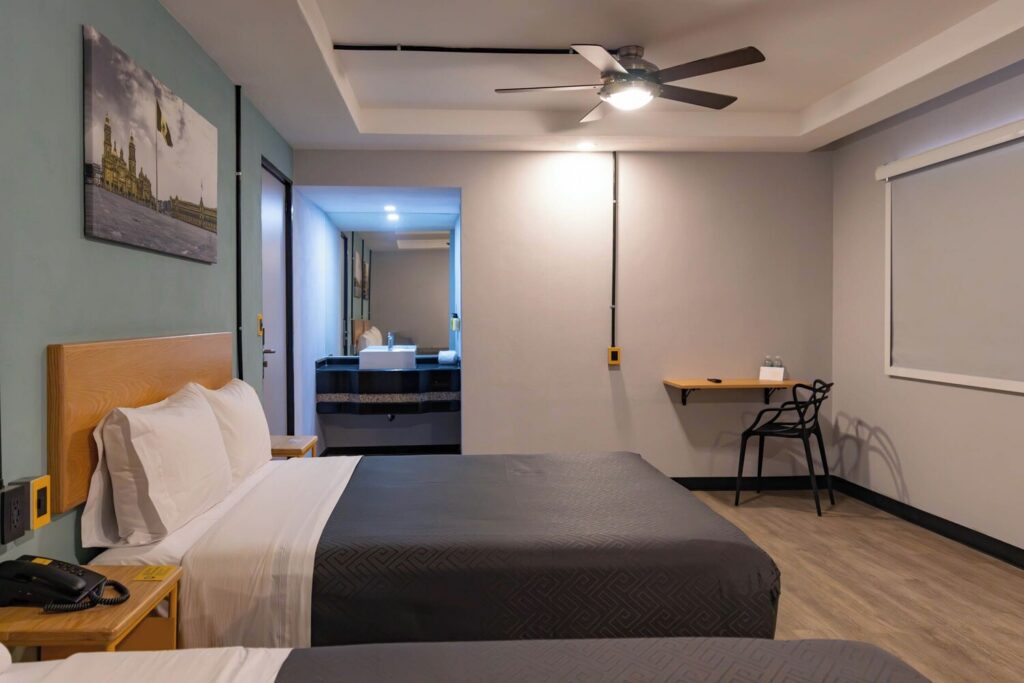
$45 a night at a 9.2 rating, ten minutes on foot from the Zocalo, which is the entire point. You can be standing in the empty square at seven. Two star on paper, so expect a ceiling fan rather than air conditioning, and street noise on the front rooms.
Roma Norte
Boutique Hotel Durango219
Calle Durango 219
$92 a night, mid
Roma Norte, the neighbourhood you’ll wish you’d booked if you didn’t. It rates 9.6 from 150 reviews. The rooms are small and quiet, and you can walk home from dinner on Alvaro Obregon.
Centro Historico
Hotel Zocalo Central
Calle 5 de Mayo
$183 a night, mid
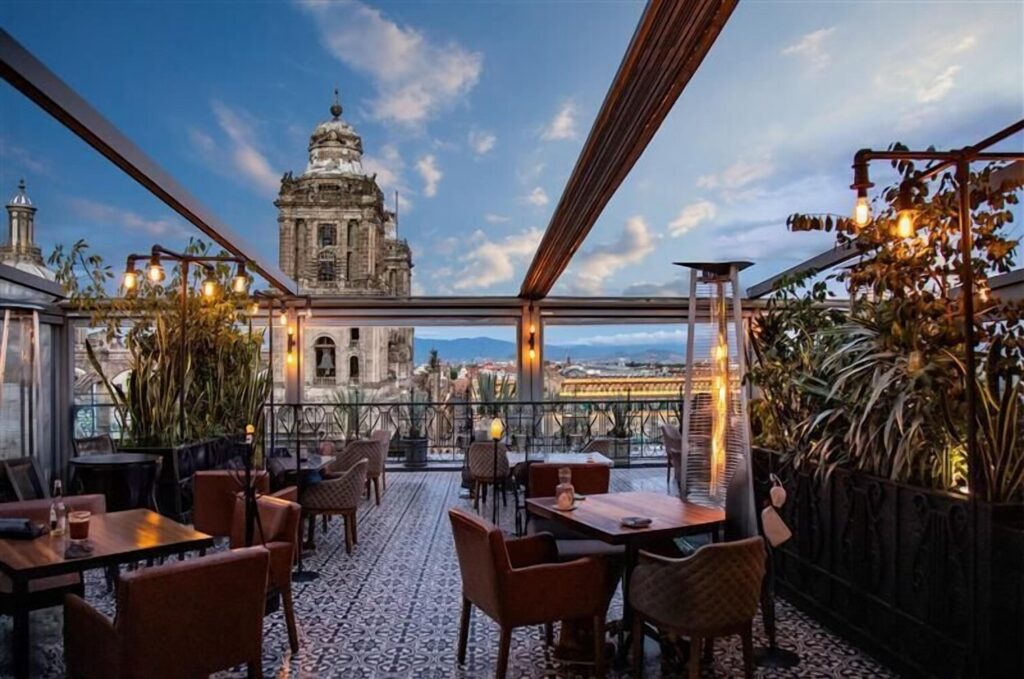
A 9.8 from 2,856 reviews, and a rooftop restaurant that looks straight at the Metropolitan Cathedral. The pick for a first trip that leans historic. The distance is the catch. You’re forty minutes and an Uber away from dinner in Roma Norte, every single night.
Polanco
ULIV Suites Polanco
Edgar Allan Poe 362
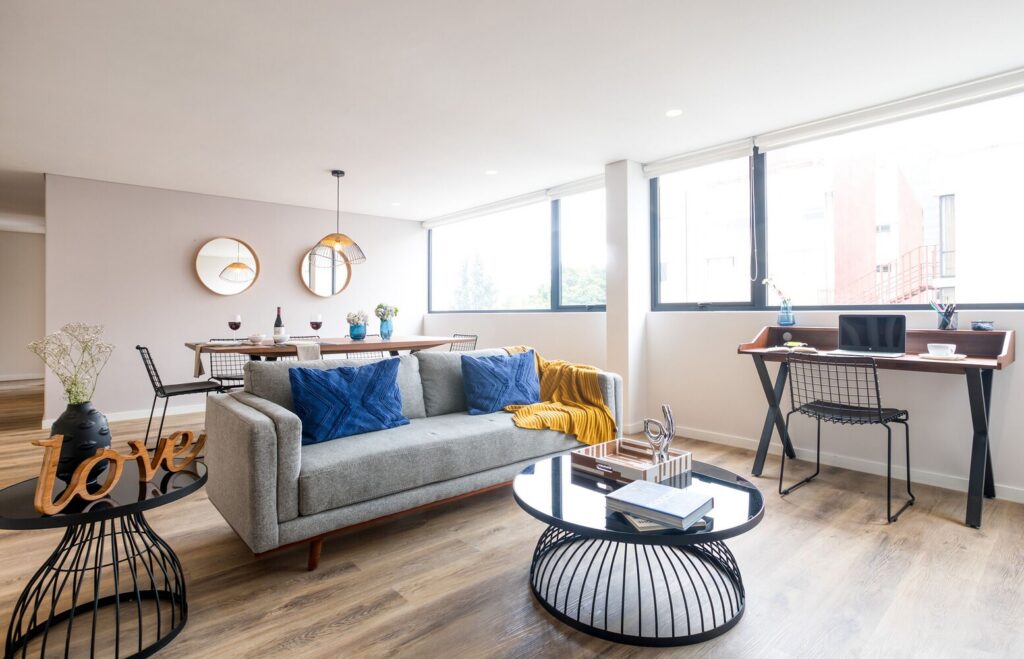
$247 a night, apartments
Full apartments with kitchens at $247, which changes the maths on a week. Breakfast at home, a fridge for the market haul, room for a family. Polanco is calm and green and a long way from where the interesting eating happens.
Polanco
Hyatt Regency Mexico City
Avenida Campos Elíseos 204
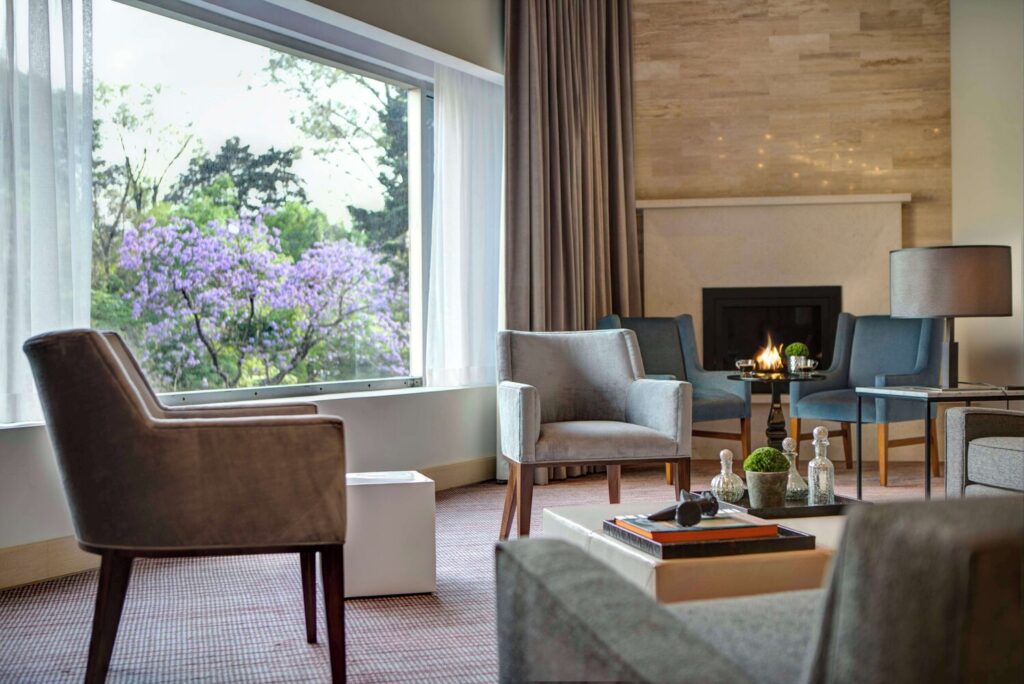
$292 a night, upper
1,484 reviews at 9.4 on the edge of Chapultepec, which puts the Anthropology Museum inside a fifteen minute walk instead of a taxi ride. It’s a large business hotel with large-hotel anonymity, so book it for the location and the reliability rather than the character.
La Condesa
Andaz Condesa Mexico City
Aguascalientes 158
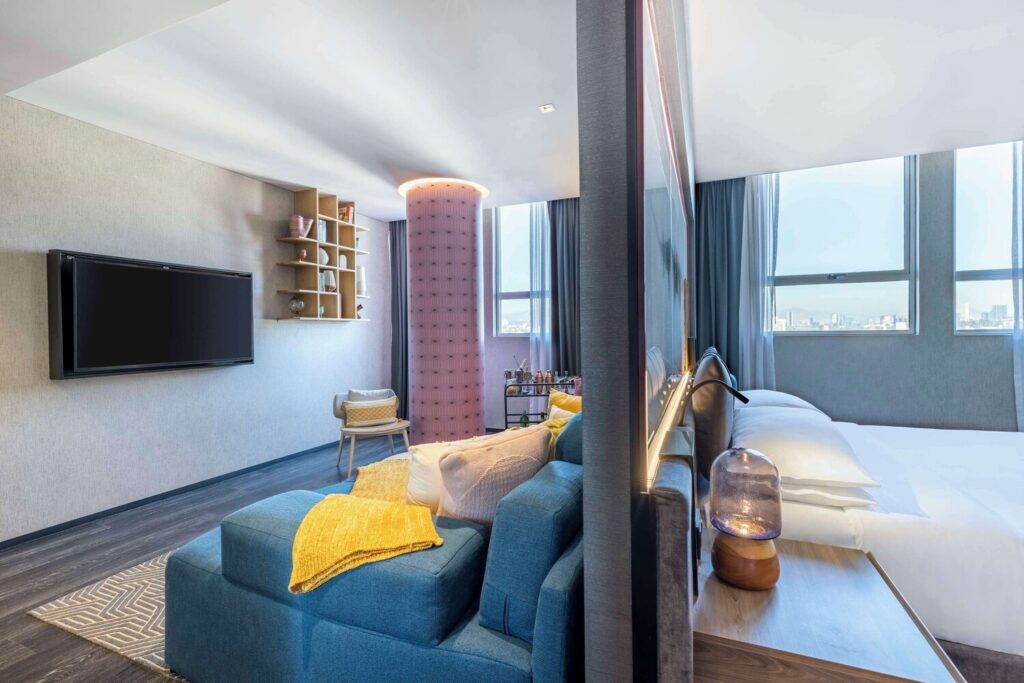
$339 a night, upper
On the edge of Condesa, so the mezcalerias, Parque Mexico and the late dinners are a walk home rather than a car. Rooms are big and quiet and the ground floor is full of plants. At $339 it’s priced like New York in a city where nothing else is.
Polanco
JW Marriott Hotel Mexico City Polanco
Avenida Campos Elíseos 29
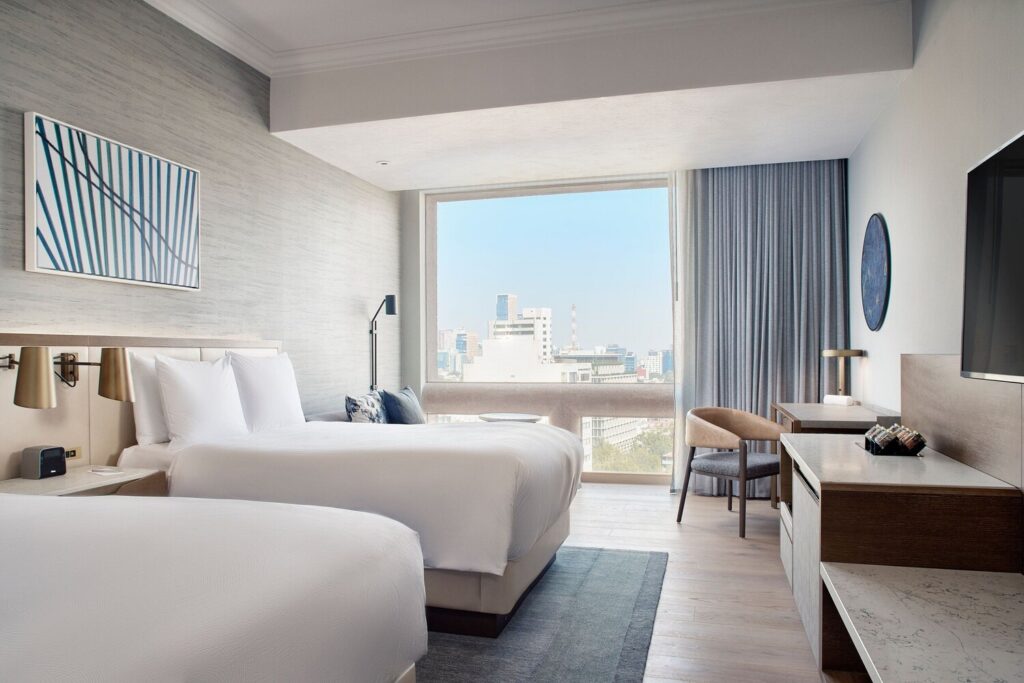
$412 a night, luxury
$412 on Campos Eliseos opposite Chapultepec, with a thousand reviews at 9.4. This is the predictable version of expensive Mexico City, where nothing goes wrong and nothing surprises you. Ubers down to Roma run five to eight dollars and about fifteen minutes off peak.
La Condesa
Hotel Dama
Zamora 94a
$462 a night, luxury
A small design hotel in Condesa with a rooftop that sits level with the jacarandas, which in the back half of March is the best seat in the city. Only 81 reviews so far, at 9.6, and $462 is the most you can spend here without moving to Polanco.
Where should you sleep?
Which area suits you comes down to what you’re paying for a room and how late you’re out.
Every place we track, by area
Polanco
- Las Alcobas, a Luxury Collection Hotelluxury
- The Alest Hotelluxury
- Hyatt Regency Mexico Cityupper-end
- JW Marriott Hotel Mexico City Polancoluxury
- ULIV Suites Polancoupper-end
Centro Historico
- Historico Central Hotelupper-end
- Hotel Zocalo Centralmid-priced
- Hotel Escala Centro Historicobudget
La Condesa
- Hotel Damaluxury
- ULIV Condesamid-priced
- Andaz Condesa Mexico Cityupper-end
Mexico City
- NaNa Vida CDMXupper-end
Roma Norte
- Boutique Hotel Durango219mid-priced
Reforma
- Barcelo Mexico Reformamid-priced
Zona Rosa
- Galeria Plaza Reformamid-priced
Juarez / Reforma
- Fiesta Americana Reformamid-priced
What to do
The sunrise balloon over Teotihuacan at $147 is the one spend people never regret. The $48 Xochimilco and Coyoacan day gets you into the Frida Kahlo house, and Casa Azul tickets sell out weeks ahead. The night bus down Reforma and the chocolate museum in Juarez cost next to nothing. Tolantongo is fourteen hours by bus, long trips only.
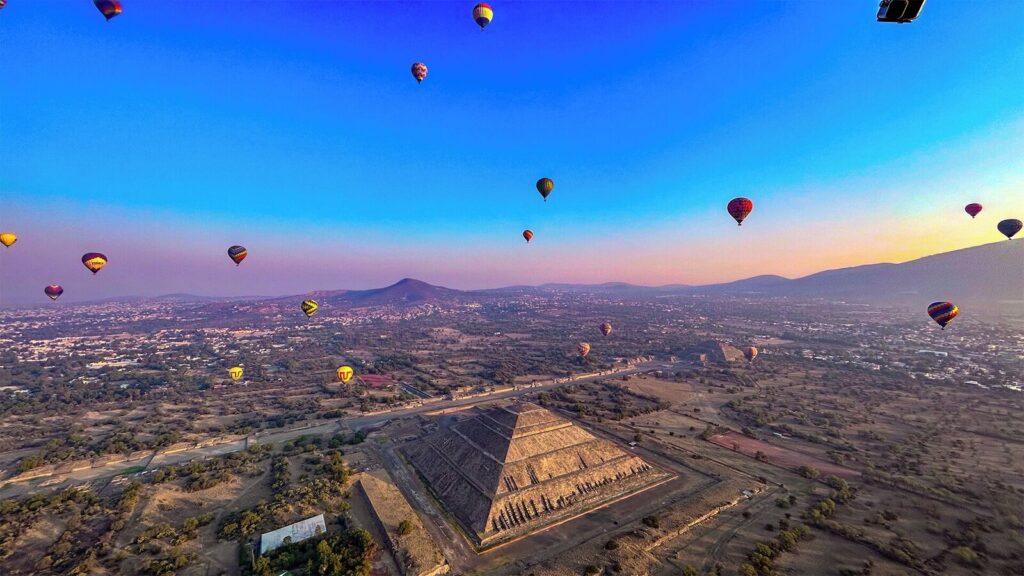
Hot Air Balloon Flight over Teotihuacan
$147 and a 5am pickup, floating over the Pyramid of the Sun as the light arrives. At $147 it’s the most expensive line on this page and the one nobody regrets. Add the ground tour afterwards so you walk the Avenue of the Dead before the coaches unload.
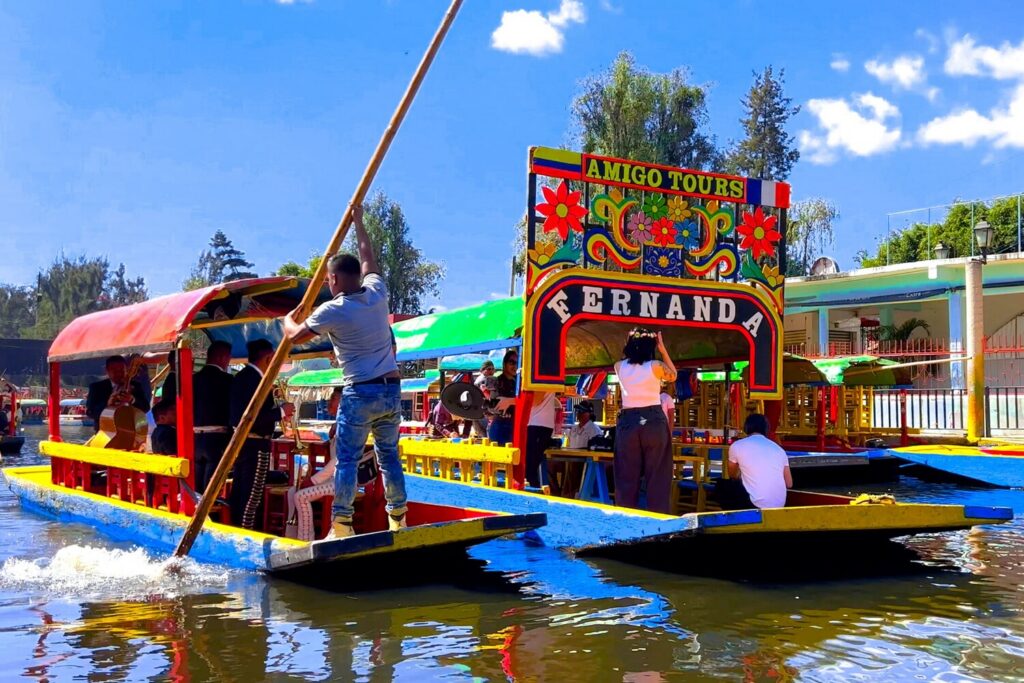
Xochimilco, Coyoacan & Frida Kahlo Museum with Lunch
$48 for nine hours with lunch, from 594 reviews. Take the Frida Kahlo option, because the Casa Azul sells timed tickets that vanish weeks ahead if you try to book them yourself. Long day, three unrelated places, and the trajineras are louder than you expect.
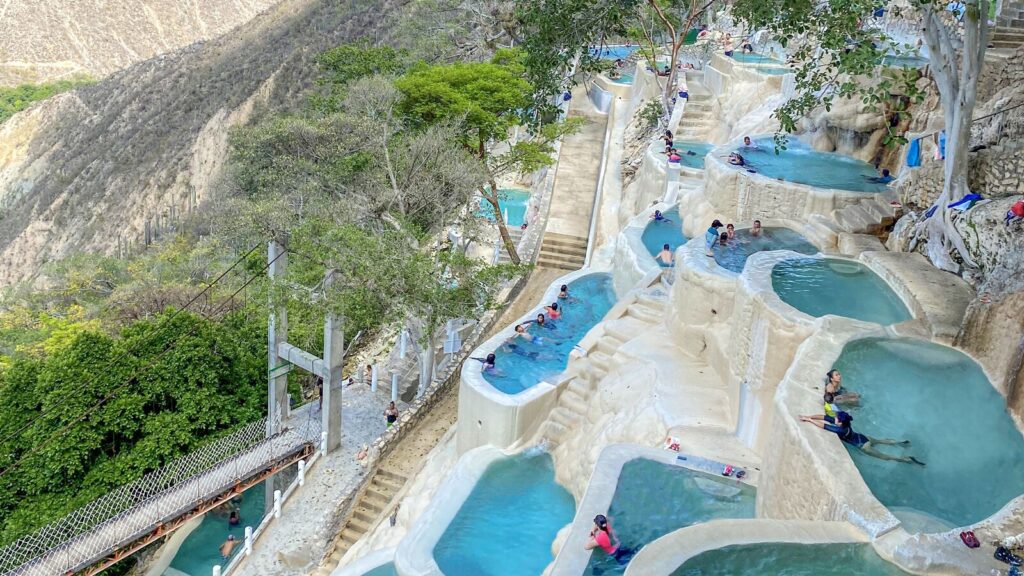
Tolantongo Caves Full-Day Tour
Fourteen hours on a bus for turquoise thermal pools terraced into a canyon wall in Hidalgo. $119, brutal on a short trip, and effectively impossible to reach without a car. Worth it only if you have seven days here and one of them to burn.
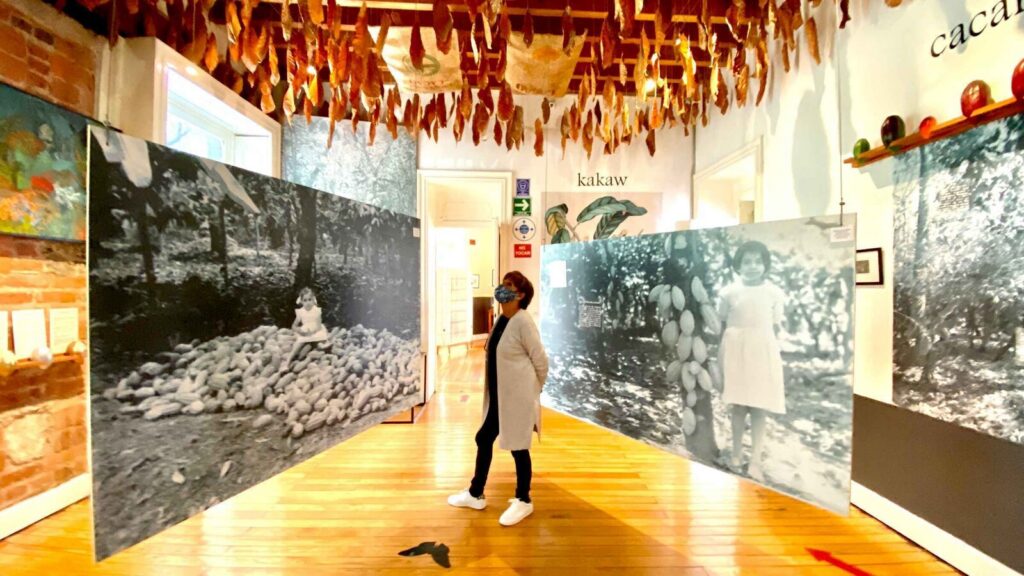
MUCHO Museum of Chocolate Entrance Ticket
$5, in a Juarez mansion ten minutes from Roma Norte, telling the cacao story from the Mexican end rather than the Swiss one. Half an hour, and the right place to park a wet afternoon between June and September when the four o’clock rain lands.
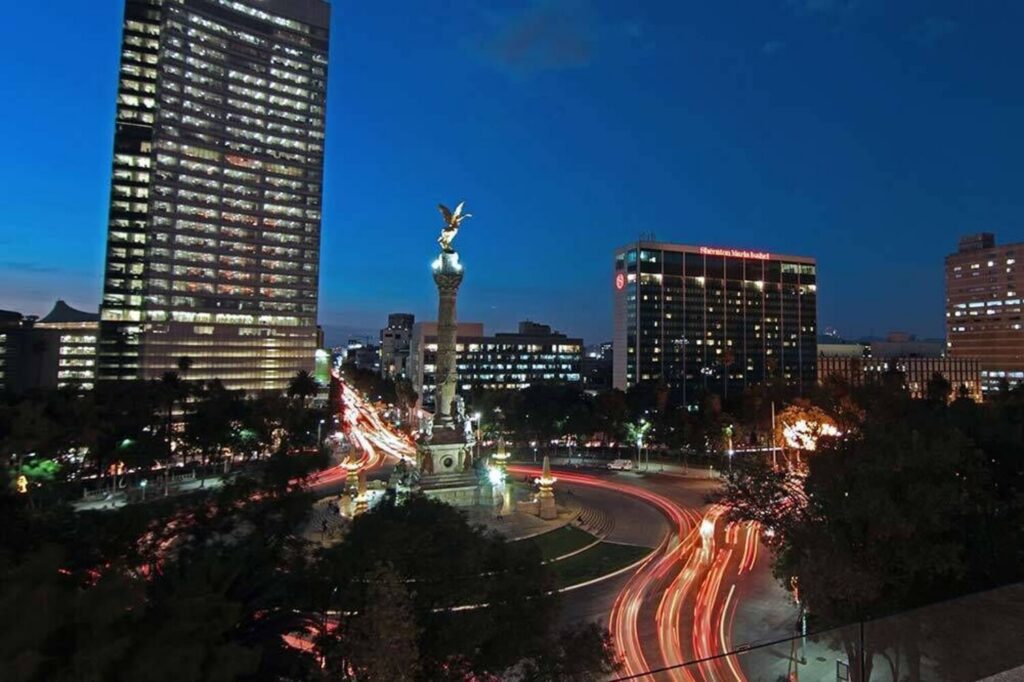
Night Tour of Mexico City in a Double-Decker Bus
$11 for forty-five minutes on an open top deck down Reforma with the Angel of Independence lit up. Do it at seven, before dinner in Condesa, and take a jacket, because it drops to around eight degrees Celsius (46F) after dark in the dry months.
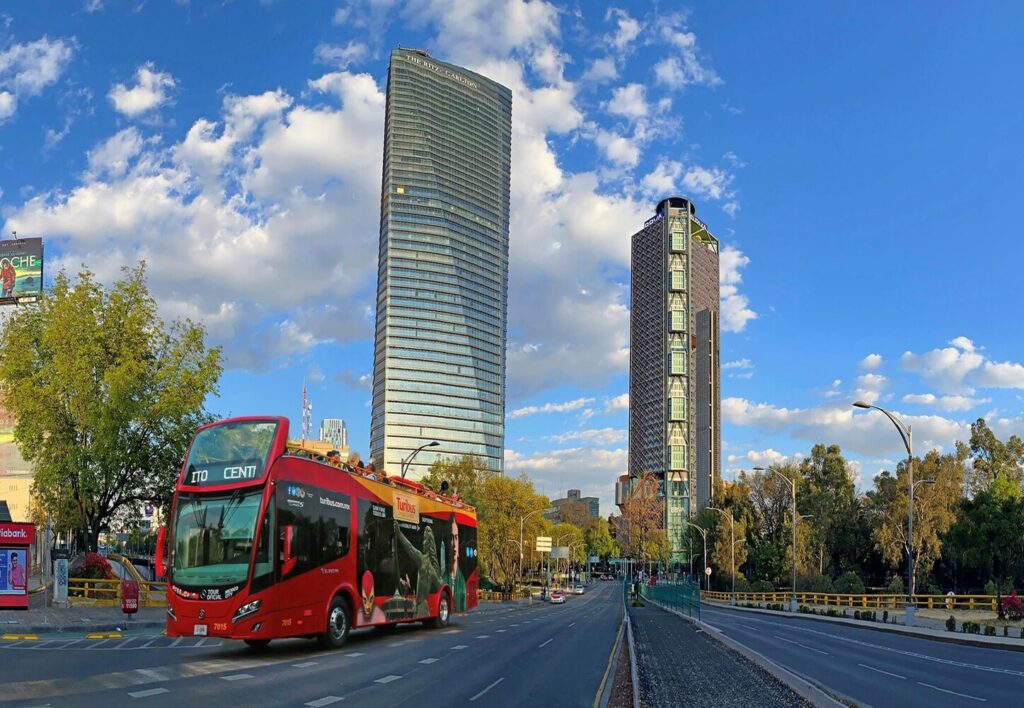
Hop-On Hop-Off Mexico City Tour
$19 for a full day across four routes covering Centro, Polanco, Coyoacan and the Basilica. Treat it as transport rather than sightseeing. The city is enormous and those routes join up districts the Metro makes awkward. 239 reviews at a middling 8.0.
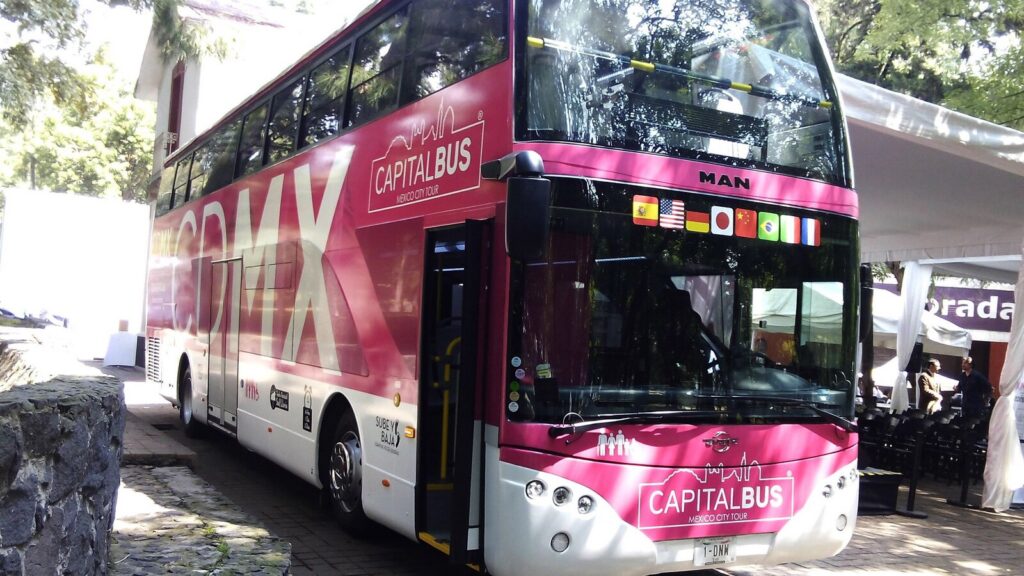
Mexico City Tourist Bus: Hop-On Hop-Off or Night Tour
$17, and the version to buy if all you want is one loop on day one to work out how Reforma, Chapultepec and the Centro sit relative to each other. Same idea as the full-day pass with less commitment, and free cancellation on both.
Eat here
Mexico City food is a day-structured system, and the same city sells completely different food at 8am, 2pm and 11pm. The backbone is masa, nixtamalised corn pressed to order into tortillas, tlacoyos, quesadillas, sopes, tamales. Around it sit stews, the guisados, that change daily, salsas doing the work of seasoning, and a midday sit-down meal that’s the biggest eating event of the day. If the food seemed one-note to you, the hour and the district were wrong.
Dishes to know
- Comida corrida
- A fixed-price midday set meal of agua fresca, soup, a rice or pasta course, a choice of daily main, and often a small dessert.
- Served only at lunch, roughly half one to five, in fondas and market kitchens. A good one has a handwritten daily menu on a board, real plates, and a room full of people on their lunch break. Around 80 to 150 pesos when we checked, more in the fashionable districts.
- Tacos de guisado
- Tortillas filled from a row of large pots of home-style stews, mole, chicharrón in salsa verde, rajas, tinga, picadillo.
- Morning-into-midday food, sold from stands with a dozen open casseroles. They sell out and pack up in the early afternoon rather than running all evening.
- Tacos de canasta
- Small tacos steamed soft in a cloth-lined basket, usually potato, chicharrón, beans or adobo, often on blue corn tortillas.
- Morning and commuter food, sold from bicycles and baskets near offices, metro exits and markets. They’re meant to be soft and slightly greasy rather than crisp.
- Tacos al pastor
- Chilli-marinated pork carved off a vertical spit onto small tortillas, with pineapple carved off the top of the spit after it, plus onion and coriander.
- Night food. A trompo that’s been turning long enough to build a crust is the whole point, so the best versions come after dark. A pastor spit at 9am is a tourism prop.
- Tacos de suadero
- Beef cut slow-rendered in fat on a domed griddle, chopped fine, served on doubled small tortillas.
- Evening and very late night, the classic post-drinking taco. You order by count, and by ‘con todo’ or ‘sin nada’ for onion and coriander.
- Barbacoa
- Lamb or goat slow-cooked wrapped in maguey leaves, served as tacos with a cup of consomé.
- Weekend morning food, mostly Saturday and Sunday, from stalls that open early and sell out by early afternoon. Someone selling barbacoa on a Tuesday evening is selling something else.
- Carnitas
- Pork confited in its own fat and chopped to order, sold by cut, maciza, surtida, cuerito or buche.
- Daytime food, and Sunday family food above all. Being asked which cut you want, rather than handed a generic ‘pork’, is the sign of a serious operation.
- Tlacoyos
- Thick oval masa patties stuffed with beans, requesón or fava, then griddled and topped with nopal and salsa and crumbled cheese.
- Morning and midday street griddle food, often sold by women pressing masa by hand at a comal. Blue corn versions are common and a good sign of fresh nixtamal.
- Guajolota (torta de tamal)
- A tamal put inside a bread roll and eaten as a carbohydrate-on-carbohydrate commuter breakfast.
- Strictly early morning, typically with atole or champurrado, from stands near metro stations. Gone by mid-morning.
- Quesadillas with huitlacoche or flor de calabaza
- Hand-pressed masa folded around corn fungus, squash blossom, mushrooms, potato or cheese and griddled or fried.
- In Mexico City a quesadilla doesn’t automatically contain cheese, so you have to ask for ‘con queso’. Argue about this at your peril, it’s a running national joke.
- Pambazo
- A bread roll dipped in guajillo chilli sauce, then griddled and filled with potato and chorizo under lettuce and cream and cheese.
- Evening street food and a fixture at street stands and neighbourhood fairs. It’s meant to be red, soft and messy.
- Esquites and elote
- Corn kernels in a cup, or corn on the cob, with mayonnaise, cheese, chilli powder and lime.
- Late afternoon into evening, from pushcarts. Ask for chilli ‘poquito’ if you don’t know the vendor’s heat level.
Where to eat
- Narvarte
- A middle-class residential grid full of fondas and taquerías and seafood counters serving office workers and residents rather than visitors. Probably the best single district in the city for comida corrida and everyday taco quality.
- Coyoacán
- A historic southern district where the market and surrounding streets do tostadas and antojitos and traditional sweets. Weekend eating here is a family outing rather than a night out.
- Roma and Condesa
- The design-forward eating district, with modern Mexican kitchens and bakeries and cafés, plus long-standing street stands on the corners. Useful for a sit-down dinner, and the most tourist-inflected of the areas listed here.
- Centro Histórico (the side streets, not the plaza)
- Cantinas, old lunch counters, Mercado de San Juan and dense cheap-eating streets north and west of the Zócalo, where downtown workers eat at midday.
- Portales and Del Valle
- Southern residential neighbourhoods with big market food courts, classic taquerías and weekend barbacoa trade, almost entirely local custom.
What to walk past
The terrace restaurants overlooking the Zócalo and the streets immediately around it are the city’s best-documented tourist trap. Staff pull you in from the pavement with a low quoted price, then the bill arrives with invented cover, seating or service charges and hugely marked-up drinks. The broader signals anywhere are someone standing outside with a laminated photo menu, menus printed only in English, mariachi or a ‘folkloric show’ included, a pastor spit turning in the morning, and any place that won’t show you the printed price before you sit down.
Markets
- Mercado de San Juan (Centro Histórico)
- Roughly 7am-5pm daily, with most stalls winding down mid-to-late afternoon, busiest late morning and 12-2pm
- The chefs’ and specialists’ market, with cheeses, charcuterie, seafood, game, chapulines, escamoles, dried chillies, plus counters that will make you a plate on the spot from what they sell.
- Mercado de Coyoacán
- Daily, roughly 8am-6pm, liveliest at weekends
- A working neighbourhood market known for its tostada counters piled with ceviche and tinga and chicken, and for the produce and moles and traditional sweets in the surrounding aisles.
- Mercado de Medellín (Roma Sur)
- Daily, roughly 7am-7pm
- The city’s Latin American market, with Cuban, Colombian, Venezuelan and Salvadoran groceries and counters alongside Mexican produce. It’s the clearest picture of how migration has shaped CDMX eating.
- Mercado de Jamaica
- Open daily, with flower trading effectively around the clock, food stalls best in the morning
- Mainly the flower market, but the surrounding food aisles serve the traders morning barbacoa and quesadillas and comida corrida, so it runs on an earlier clock than the rest of the city.
When people eat
Desayuno is early and light, roughly 7-10am, meaning guajolotas, tamales, atole, or a sit-down eggs-and-chilaquiles breakfast. Almuerzo, a heavier late breakfast, sits around 10am to noon, especially at weekends. Comida is the main event, roughly 2-4pm and often stretching to 5pm, and it’s the only window in which fondas, market kitchens and comida corrida exist at all. Merienda is a light coffee-and-pan-dulce break around 6-7pm. Cena is late and lighter, from about 8pm to midnight, and it’s when taquerías fill up, because al pastor and suadero are cena rather than comida. Turn up for a big dinner at 6pm and you’ll eat alone in a room set up for tourists. Turn up at a fonda at 7pm and it has already closed.
Eating cheaply
Three formats carry it. Comida corrida in a fonda or a market’s food aisle at midday gets you a whole multi-course meal for the price of a coffee elsewhere, with no ordering skill needed beyond pointing at the board. Market food courts put you at a counter eating what the neighbourhood eats. Street stands played to the clock give you guisado and canasta tacos in the morning, then tlacoyos and quesadillas at midday, then pastor, suadero, pambazos, esquites at night. Street-food safety is a turnover question rather than a fear question. Choose stands with a queue of local customers, where you can see the meat being cooked and cut in front of you and raw ingredients aren’t sitting out unrefrigerated all day, and ideally where one person handles money and another handles food. Busy beats clean-looking and empty. Build up gradually rather than eating at six stands on your first afternoon, use bottled or purified water, and ask for salsa ‘poquito’ until you know the heat.
If you don't eat everything
- Vegetarian
- Very workable, but you have to name it. Ask ‘sin carne, sin pollo, sin jamón’ explicitly, since ham and chicken often aren’t counted as ‘meat’ in casual speech. The naturally vegetarian staples are quesadillas with flor de calabaza, huitlacoche, mushrooms or rajas, tlacoyos with a bean or requesón filling, nopal dishes, esquites (ask without mayonnaise if vegan), and enfrijoladas and enmoladas. The two hidden traps are lard (manteca) in beans and tamales and refried preparations, and chicken stock in rice and soups, so ask ‘lleva manteca?’ and ‘el arroz lleva caldo de pollo?’.
- Gluten free
- Structurally one of the easier cuisines, because the staple starch is corn rather than wheat. Verify rather than assume. Ask ‘¿son cien por ciento de maíz?’ about tortillas, and watch for wheat in mole (often thickened with bread or flour), in some tamales, in shared fryers, and in the soy sauce, Worcestershire (salsa inglesa) and Maggi-style seasoning routinely added to marinades and salsas and micheladas. Bolillo-based food, meaning tortas, pambazos, guajolotas, cemitas, is wheat by definition. Carrying a Spanish-language coeliac card is worth it, since small stands may not know what’s in a bottled seasoning.
- Halal and other
- Limited. Pork is central to much of the street repertoire, al pastor and carnitas and chicharrón and chorizo, and lard is used widely, including in dishes with no visible pork. There are a small number of halal-certified restaurants and a few Middle Eastern and Lebanese-Mexican places in the city, but this isn’t a well-mapped scene and I couldn’t verify current certified venues. A practical fallback is beef or chicken or seafood or a vegetarian dish, with a direct question about manteca. Note that Lebanese-influenced places in the tacos árabes lineage still commonly use pork. Kosher provision exists around Polanco and Tecamachalco, again not verified in detail here.
Free and cheap
Things worth your morning that cost nothing, or close to it. Opening hours change, so check before you walk up a hill for one.
Jesus Maria 21, Centro Historico
Cantina La Potosina
Cash only, Monday to Saturday 10am to midnight. Order at least two rounds of beer or tequila and watch the free botana escalate.
Justo Sierra 16, Centro Historico
Antiguo Colegio de San Ildefonso
Open Tuesday to Sunday 11am to 5:30pm, 50 pesos, free on Sundays. Go straight after Templo Mayor, the entrance is on the same walk.
Paseo de la Reforma, Centro to Chapultepec
Muevete en Bici on Paseo de la Reforma
Sundays 8am to 2pm and free to walk. An Ecobici one-day tourist pass costs 104 pesos, and you swap bikes every 45 minutes to dodge the surcharge.
Around the city
Sunday free museum admission is for Mexican nationals and residents. As a visitor you pay
Free every day for everyone
Museo Soumaya, Museo de la Ciudad de Mexico, Museo Nacional de la Estampa, Museo de la Cancilleria
Diego Rivera murals at the Palacio Nacional and the SEP are free, Tuesday to Sunday, bring photo ID
The Palacio Nacional Rivera murals are free, Tue-Sun 09:00-17:00. Security keeps a physical photo ID at the door for the duration, and a photocopy or a photo of a passport is refused
Museo Soumaya is free with no booking. Sources disagree on whether it closes Tuesdays, so don't count on a Tuesday visit
What most visitors miss
The Cablebus over the northern hillside barrios costs 7 pesos and beats any paid mirador. La Potosina is an 1890 cantina where the second round brings a free botana. San Ildefonso’s murals sit four blocks from the Zocalo. Then La Nueva Viga fish market at dawn, Reforma closed to cars on Sunday mornings, and the terraces of Roma Sur.
viewpointIndios Verdes to Cuautepec, north CDMX
Cablebus Line 1
A commuter cable car that 100,000 locals ride daily and almost no visitor does, since it appears on no tourist map at all. It floats over dense hillside barrios and hundreds of rooftop murals, a wider and stranger view than any paid mirador in Roma or Condesa. Ride it at dusk.
Tip 7 pesos a ride with a rechargeable Movilidad Integrada card, daily from about 5am, ride the full 10.6km line one way and Uber back rather than round tripping it.
ritualJesus Maria 21, Centro Historico
Cantina La Potosina
Jesus Maria 21
A cash-only cantina open since 1890 that still runs the old rule tourists never learn. Order a second round of drinks and a free botana appears unasked, a bigger one with the third. This is the local drinking custom sitting behind every mezcal bar in Roma, five blocks and a different century from Templo Mayor.
Tip Cash only, Monday to Saturday 10am to midnight, order at least two rounds of beer or tequila to see the free botana escalate.
museumJusto Sierra 16, Centro Historico
Antiguo Colegio de San Ildefonso
Calle Justo Sierra 16
The building where Mexican muralism began, with the first Orozco and Rivera murals ever painted on public walls, four blocks from the Zocalo and the Bellas Artes queue. Most visitors do the Palacio Nacional staircase and stop there. Give this one an hour and you get the whole movement in sequence.
Tip Open Tuesday to Sunday 11am to 5:30pm, 50 pesos, free on Sundays. Go straight after Templo Mayor since the entrance is on the same walk.
marketIztapalapa, near Central de Abasto
Mercado La Nueva Viga
Eje 6 Sur 560, Central de Abastos
The second largest fish market on earth after Tokyo’s Toyosu, where 20,000 buyers pass through daily and the seafood that ends up on every Roma ceviche menu is landed and auctioned off at dawn. It sits well off the Roma and Condesa loop. Get there at six and eat a tostada de camaron standing on the wet floor.
Tip Open Monday to Saturday, trucks unload from around 4am and the floor is loudest by 6am, go by Uber since it isn’t walkable from the centre and closed entirely on Sundays.
timingPaseo de la Reforma, Centro to Chapultepec
Muevete en Bici on Paseo de la Reforma
Every Sunday the city closes more than 50 kilometres of its main avenues to cars, including the length of Reforma, so the Angel of Independence and the glorietas that are a traffic gauntlet all week turn into a car-free boulevard for up to 100,000 locals. Walk it, or rent a bike and ride the whole length.
Tip Sundays 8am to 2pm, free to walk. Rent an Ecobici with a one-day tourist pass for 104 pesos and swap bikes every 45 minutes to avoid the surcharge.
neighbourhoodSouth of Avenida Chapultepec, below Roma Norte
Roma Sur
The half of Roma that guidebooks skip, because the restaurant openings all cluster north of Chapultepec. Roma Sur has the same tree-lined art deco blocks, lower rents, and a local crowd on cafe terraces where the menu doesn’t arrive in English. Walk Calle Medellin south and keep going.
Tip No ticket needed, just walk south across Avenida Chapultepec from Roma Norte, quietest and most residential between 5pm and 8pm.
Packing list
Save a month and a few things to do and this list grows to match.
- Type A/B plug adapter
- Shoes with grip
Common questions
Does the altitude hit you? At 2,240 metres it usually does, mildly. Stairs leave you breathless, the first night’s sleep is poor, and one drink lands like two. Keep day one to Roma Norte, drink far more water than normal, and skip mezcal until night two. It settles in about 48 hours.
What is the cheapest month to visit Mexico City?
March, at a $105 median a night, and it’s also when the jacarandas flower across Roma and Condesa. The gap between the cheapest month and the dearest is about sixty dollars, flat enough that the month barely touches your budget here. Pick the month for the weather and the festivals instead.
How many days do you need in Mexico City?
Five to six days. Four covers the Centro, the Anthropology Museum, Teotihuacan and Coyoacan without rushing, and the fifth and sixth buy you Xochimilco and one unplanned day walking Roma and Condesa. Seven or more only if you want Tolantongo or Puebla, both of which are full days on their own.
Is Mexico City safe, and can I walk around?
Roma Norte, Condesa, Polanco, Coyoacan and the Centro Historico are busy and policed and fine to walk in daylight, and Roma to Condesa is a fifteen minute walk. Use Uber rather than street taxis, keep your phone away on a rush hour Metro, and treat the Centro after ten at night the way you’d treat any big city centre.
What is the weather like in the dry season?
From November to April expect 22C to 27C (72F to 81F) by day, clear skies and almost no rain. Nights fall into single figures and most people don’t pack for that.
The altitude is what catches you out. The sun is fierce at midday and the temperature drops the moment it sets. Sunscreen, and a real jacket rather than a light one.
How do I get from the airport to Roma or Condesa?
Benito Juarez, MEX, is inside the city. An Uber to Roma Norte or Condesa costs around $12 and takes 30 to 60 minutes depending on traffic. The authorised taxi desks in the terminal are a fixed price and slightly more. Felipe Angeles, NLU, is far out and only worth flying into for the fare. Coming back, allow three hours.
Will the altitude bother me?
At 2,240 metres, often mildly. Expect to be short of breath on stairs, to sleep badly the first night, and to feel one drink like two. Give the first day to Roma Norte and nothing else, drink far more water than usual, and hold off on the mezcal until night two. It passes in about 48 hours for most people.
Can I eat street food here without getting sick?
Yes, if you choose by turnover rather than by looks. Eat where locals are queuing and where the meat is being cooked or carved in front of you.
Check that the salsa bowls are being topped up constantly, and avoid anything that’s been sitting warm in a tray. Three tacos al pastor costs 60 to 90 pesos, about $4 to $6, and at that price it’s the best value meal in the city.
When should I go to Teotihuacan, and is the balloon worth it?
Be at the gates for the nine o’clock opening. The tour coaches arrive around eleven and there’s no shade at all. Buses from Autobuses del Norte are about $6 each way.
The Hot Air Balloon Flight over Teotihuacan is $147 with a 5am start, sells out in the dry months, and is the one big spend on this page that nobody comes back complaining about.
Should I stay in Roma Norte or Condesa?
Roma Norte if you’re here to eat, because the restaurant density is the highest in the country right now and you can walk home from all of it. Condesa if you want the parks and a quieter street at midnight. The Centro is cheaper, from $45 a night, but you’ll be paying for an Uber back from dinner every night.