Rome
Rome splits in two and you walk one half each morning
October is the month to aim for in Rome, about $176 a night against $270 in June, and the crowds thin out after the first week.
Book Pettinary Village, check prices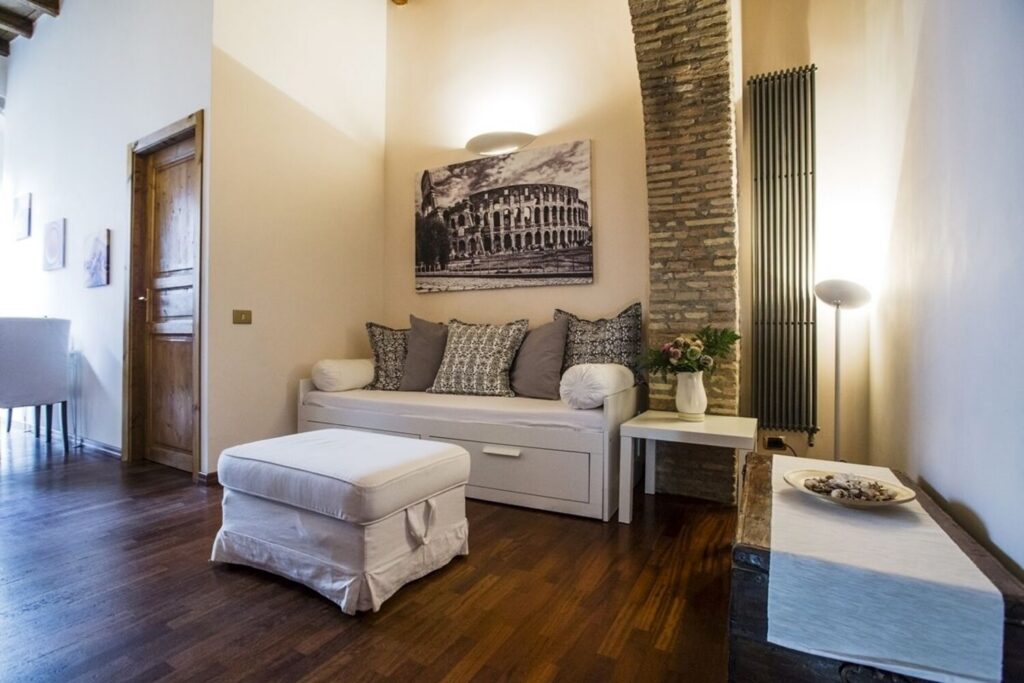 Pettinary VillageRegola / Campo de' Fiori$165 a night, midCheck prices in Regola. It’s self-catering and five minutes from the Campo de’ Fiori market, which becomes your breakfast. Lunch is pizza al taglio, tray pizza cut with scissors and sold by weight, so you point at a length and eat it standing up.
Dinner doesn’t start until about eight, and a trattoria with a full room at half six is feeding people who landed that morning. Skip anything in sight of the Trevi Fountain. Ten minutes into Testaccio or Monti is a different kitchen at a different price.
Quick facts
- Best time
- Second half of October, then April and May
- Days needed
- 4-5 days for the city, 7 with a day trip south
- Stops
- 1 stop
- Cheapest month
- October · $176/night see costs
- Where to sleep
- Pettinary Village, check pricesPettinary VillageRegola / Campo de' Fiori$165 a night, midCheck prices · $165 a night, mid
When to go and what it costs
Rome on the mid tier works out at roughly $225 a person a day with the room split two ways. December is the cheapest month, about $128 a night, and February is barely more. Both are cold, and both hand you an empty Forum. June is close to double December. October at $176 is the month to aim for.
Aim for the second half of October, with April and May behind it. Highs sit around 22C (72F) and the crowds thin after the first week. The median night runs roughly ninety dollars under June.
April and May cost more per night than July or August, and the hours are what you’re paying for. You can walk from eight until one, then again from four until midnight. That’s four or five usable hours a day that June and July don’t have.
February and December are the value plays if you’ll trade daylight for an empty Forum. June is the worst value in the year, hot and dear at the same time. These prices were checked in September 2026.
| Month | Avg nightly hotel |
|---|---|
| January | $157 $47 below the annual average |
| Thinnest crowds of the year, and no queue anywhere in the city. Highs of 12 or 13C (55F), cold mornings, rain on and off. | |
| February | $132 $72 below the annual average |
| The second-cheapest month of the year, and the Vatican moves at walking pace. Highs near 14C (57F), and often dry with it. | |
| March | $198 $6 below the annual average |
| Highs 16 to 18C (64F) with showers. Easter demand builds through the month, so the first fortnight comes in much cheaper than the second. | |
| April | $251 $47 above the annual average |
| Best value The best walking weather of the year, highs near 20C (68F), and you pay $251 for it. The Vatican is busier now than in any other month. | |
| May | $236 $32 above the annual average |
| Best value Highs of 24 or 25C (77F), long dry evenings. Busy and dear, though you get a usable hour back at each end of the day against June. | |
| June | $270 $66 above the annual average |
| Peak The worst value in the year, and every queue is at its longest. Highs of 29 or 30C (86F) by mid-afternoon. Skip June. | |
| July | $230 $26 above the annual average |
| Peak Highs 31 or 32C (90F) and no rain at all. A shade quieter than June, because the Romans haven't left yet. Afternoons are unusable. | |
| August | $212 $8 above the annual average |
| Highs of 32C (90F), and half the kitchens shut for Ferragosto. The city empties and the median drops to $212. Cheapest warm month, hardest to enjoy. | |
| September | $294 $90 above the annual average |
| Peak Highs 27 or 28C (82F) and dry. The reading here is a twelve-month-out figure on thin inventory, so take it as directional and shop hard. | |
| October | $176 $28 below the annual average |
| Best value Highs 22 or 23C (73F) and the first real rain. Crowds thin out after week one. The best month of the year on every number here. | |
| November | $162 $42 below the annual average |
| The wettest month of the year, highs 16 or 17C (63F). Empty sites, and the Forum in drizzle is worth carrying a coat for. | |
| December | $128 $76 below the annual average |
| Highs of 13 or 14C (57F), cold and bright between fronts. The cheapest month of the year, and only Christmas week spikes. | |
Adesso Hotel
Check prices for Adesso HotelRishon
Check prices for RishonPettinary Village
Check prices for Pettinary VillageHotel Lancelot
Check prices for Hotel LancelotVatican Style
Check prices for Vatican StyleGCF Luxury Suites
Check prices for GCF Luxury SuitesHotel Smeraldo
Check prices for Hotel SmeraldoRelais Donna Lucrezia
Check prices for Relais Donna Lucrezia
below average above average
What a day costs
Shoestring Rome is about $105 a day. A shared room near Termini, pizza by the slice at lunch, a daily transit ticket and the free churches, most of the good ones included. The mid tier at $225 buys half a well-rated central room, proper meals and one booked ticket a day. Comfort adds a rooftop near the Pantheon.
Shoestring
$105/day
A shared room near Termini, espresso standing at the bar, pizza al taglio for lunch, one sit-down dinner, a EUR 7 daily transit ticket, and the free churches instead of paid sites.
4-day trip · $420
Mid-range Most readers
$225/day
Half a 9-plus room inside the centre, breakfast at the bar, a proper lunch and dinner, one booked ticket a day at $60 to $120, and everything else walked rather than ridden.
4-day trip · $900
Comfort
$470/day
Half a rooftop room near the Pantheon, the arena-floor Colosseum upgrade, a guided Vatican morning, a long lunch, dinner somewhere that books out a month ahead, and taxis home.
4-day trip · $1,880
| Shoestring | Mid-range Most readers | Comfort | |
|---|---|---|---|
| Per day | $105/day | $225/day | $470/day |
| Includes | A shared room near Termini, espresso standing at the bar, pizza al taglio for lunch, one sit-down dinner, a EUR 7 daily transit ticket, and the free churches instead of paid sites. | Half a 9-plus room inside the centre, breakfast at the bar, a proper lunch and dinner, one booked ticket a day at $60 to $120, and everything else walked rather than ridden. | Half a rooftop room near the Pantheon, the arena-floor Colosseum upgrade, a guided Vatican morning, a long lunch, dinner somewhere that books out a month ahead, and taxis home. |
| 4-day trip | $420 | $900 | $1,880 |
What will your trip cost?
- Shoestring $105 a day · 3 nights $315
- Mid-range $225 a day · 3 nights $675
- Comfort $470 a day · 3 nights $1,410
Beds, food and local transport for one person. Flights and anything you book on the day are not in it.
How long do you have?
Four or five days on a first trip to Rome, seven if you want Pompeii or Tuscany. The logic is one half of the centre per morning. Ancient side one day, baroque side the next, the Vatican on the third, then a fourth for underground Rome and a slow day. Two days works if you skip the Vatican.
2 days · The two halves, nothing else
- Day 1, the ancient half on an 8:30 Colosseum slot, Forum and Palatine downhill, lunch in Monti, evening in Celio.
- Day 2, the baroque half, Pantheon at nine, Piazza Navona, Sant’Ignazio, ten minutes at Trevi, dinner in Trastevere.
- Skip the Vatican entirely rather than half-doing it. It needs a morning of its own.
3 days · Both halves plus the Vatican
- Days 1 and 2 as above, walking each half before the heat arrives.
- Day 3, Vatican Museums and the Sistine Chapel at opening, then the dome of St Peter’s at dusk.
- One booked ticket per morning, and the afternoons stay free.
5 days · Add underground Rome and a slow day
- Days 1 to 3 cover the two halves and the Vatican.
- Day 4, San Clemente in the morning, the catacombs and the Capuchin crypt in the afternoon, a cooking class at night.
- Day 5, Testaccio market, the Aventine keyhole, and nothing booked after four.
7 days · Add a day trip and the outer sites
- Days 1 to 5 as above, with the siesta kept properly from May onward.
- Day 6, Pompeii and Vesuvius, or Tuscany and Montepulciano, leaving before seven and back after dark.
- Day 7, Ostia Antica or Tivoli in the morning, last dinner in Trastevere off the main square.
Suggested itinerary
Rome runs on early tickets and an afternoon lie-down. Day one is the Leonardo Express in and the Colosseum floodlit after ten, free and near empty. Day two, the ancient half on an 8:30 slot. Day three, the baroque half walked from the Pantheon to Trastevere. Then the Vatican at opening, underground Rome and a market morning in Testaccio.
Day 1 · Landing and a first walk after dark
The Leonardo Express runs Fiumicino to Termini in 32 minutes for about EUR 14. From Ciampino it’s a bus and closer to an hour. Drop bags and attempt nothing ambitious.
The centre is three kilometres across, so every distance you were worried about is a walk. Head to the Colosseum after ten, when it’s floodlit and nearly empty. Looking at it from outside is free. Loop back through Monti for a plate of pasta around $18 and an espresso taken standing at the bar for EUR 1.20.
Day 2 · The ancient half on an 8:30 ticket
Be at the Colosseum for the first slot, because a timed entry is the difference between forty minutes in a line and none. The Colosseum Tour with Forum & Palatine Hill starts at $93 for all three sites.
The Gladiator’s Gate version at $131 puts you on the arena floor itself. Work downhill through the Forum, then up the Palatine for the view back over the whole thing. You’re done by noon, and the stone starts throwing heat soon after.
Lunch on Via dei Serpenti in Monti, ten minutes uphill and half the price of anything with a view of the ruins.
Day 3 · The baroque half · Pantheon to Trastevere
West of Via del Corso the city stops being ancient and turns theatrical. Be at the Pantheon by nine. EUR 5 gets you in, and the oculus drops a moving disc of light down the wall.
Piazza Navona next, then Sant’Ignazio, three minutes from Trevi and empty, with a painted ceiling that pretends to be a dome. Give Trevi ten minutes and leave. Disappear from one until four.
Back out for Ponte Sisto at golden hour, a EUR 6 to 8 spritz in Piazza Trilussa, and dinner one street back from Piazza Santa Maria, where the prices halve and the cooking improves.
Day 4 · Vatican at opening · dome at dusk
The line at the Museums entrance starts forming before seven, so book a ticket. The fully guided Vatican Museums, Sistine Chapel and St Peter’s tour is $121 and covers all three in one pass. The small-group skip-the-line version is $127 and leaves out the basilica.
Out by one, lunch in Prati away from the souvenir stalls, then sleep it off. Late afternoon you climb, and you come down into the square as the floodlights go on. The St Peter’s Basilica Priority Access Tour with Dome and Crypt is $62 for the 551 steps and the best view in Rome.
Day 5 · Underground Rome and a siesta done properly
Morning is San Clemente, three churches stacked on top of each other for EUR 10, then the walk up to Santa Maria Maggiore, which is free.
The Crypts and Roman Catacombs Small-Group Tour at $68 takes the afternoon, and the transfers it includes are the point, because the Appian Way sits a long way out and the buses are slow. Underground is the only cool place in Rome at three o’clock.
Eat late. The Rome 3-in-1 Cooking Class at $60 fills the evening, and dinner is the two pastas and the tiramisu you just made.
Day 6 · South for the day · or north for the wine
Pompeii on your own is four hours of trains before you see a single wall, so the From Rome: Pompeii Day Trip with Optional Vesuvius and Pizza Lunch at $161 is doing most of the work for you across eleven hours.
If you’ve had enough ruins by day six, the Tuscany and Montepulciano trip is $142 with lunch and the tasting included. Either way you’re collected before seven and back after dark, so book nothing for the evening and eat within five minutes of your hotel.
Day 7 · Testaccio · the keyhole and a last market morning
Start on the Aventine at eight in the Orange Garden, then the Knights of Malta keyhole, which frames St Peter’s dome down an avenue of clipped hedge and costs nothing.
Walk down into Testaccio for the market, where lunch is $8 rather than $18 and the food is better. Spend the hot hours in the Protestant Cemetery, which is shaded and almost silent.
If your feet have given up, the Rome Sights by Segway Tour at $87 covers the centre in two and a half hours.
Days 8-9 · Longer stays · Ostia Antica and Tivoli
Ostia Antica is thirty minutes on the Roma Lido line for the price of a metro ticket, and it’s an entire Roman port town with a tenth of Pompeii’s crowd and none of the coach parks.
Tivoli takes a morning by bus and gives you Hadrian’s Villa and the water gardens of Villa d’Este in one loop. Both are full-sun days with almost no shelter, so put them in April, May or October, and never in July.
Build your days
Everything in the Rome research, grouped by the part of the day it suits.
Morning
- Colosseum Tour with Forum & Palatine Hill, Day/Night + Arena Access Option
- Gladiator's Gate: Special Access Colosseum Tour & Arena Floor
- Colosseum Small Group Guided Tour with Roman Forum & Palatine Hill
- Vatican Museums, Sistine Chapel & St. Peter's Basilica Fully Guided Tour
- Vatican Museums & Sistine Chapel Skip-the-Line Small-Group Tour
Afternoon
- St. Peter's Basilica Priority Access Tour with Dome & Crypt
- Rome: St. Peter's Basilica and Papal Tombs Tour
- Crypts and Roman Catacombs Small-Group Tour with Coach Transfers
- Rome Sights by Segway Tour
Evening
- Rome 3-in-1 Cooking Class: Fettuccine, Ravioli & Tiramisu
Whole day
- Rome in a Day: Small Group Tour with Vatican, Colosseum & Historic Centre
Day trip
- From Rome: Pompeii Day Trip with Optional Vesuvius & Pizza Lunch
- From Rome: Pompeii, Amalfi Coast and Sorrento Day Trip
- Pompeii, Amalfi Coast and Positano Day Trip from Rome
- From Rome: Tuscany & Montepulciano Day Trip with Lunch & Wine Tasting
- Gems of Tuscany: Florence & Pisa One-Day Excursion from Rome
Where to stay
Where to stay in Rome depends on which morning matters most. Celio behind the Colosseum is for the ancient half. Campo de’ Fiori and the streets by the Pantheon put the baroque half outside the door. Prati is the pick if the Vatican is the spine of the trip. Esquilino near Termini is cheaper and handy for day trips.
Termini / Esquilino
Adesso Hotel
Via Guido Mazzoni 18-28
$133 a night, the cheapest bed here
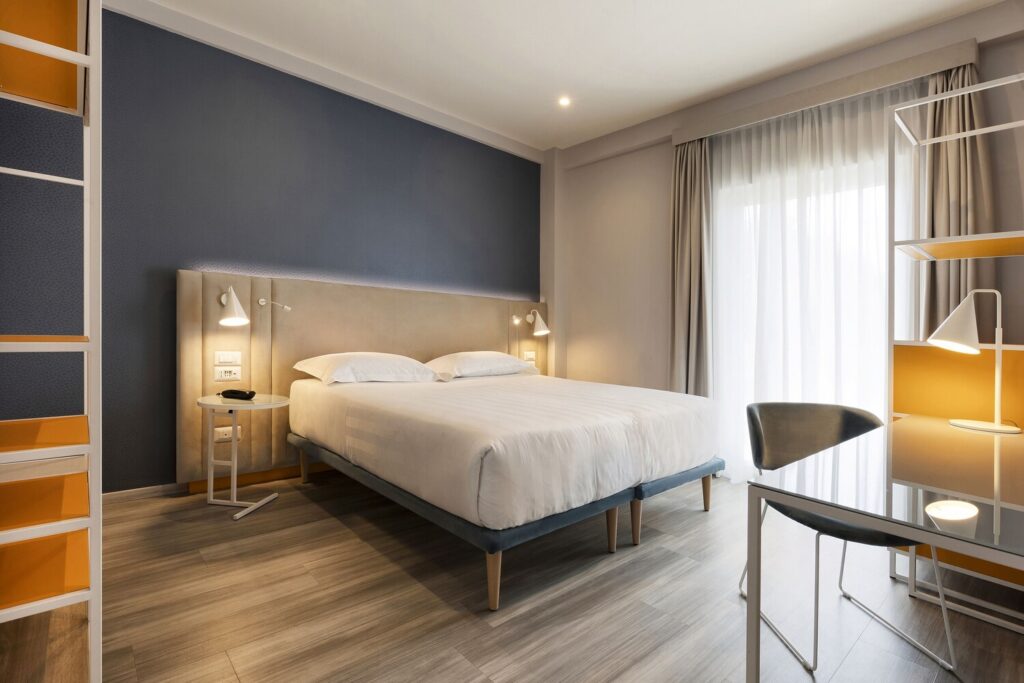
Nine minutes on foot from Termini, so the airport train and every day trip start at your door rather than after a bus. Rated 9.4 from 810 reviews. Esquilino itself is functional rather than pretty, and it’s a twenty-minute walk to anything baroque.
Rome centre
Rishon
Via del Castro Pretorio 14
$136 a night, mid
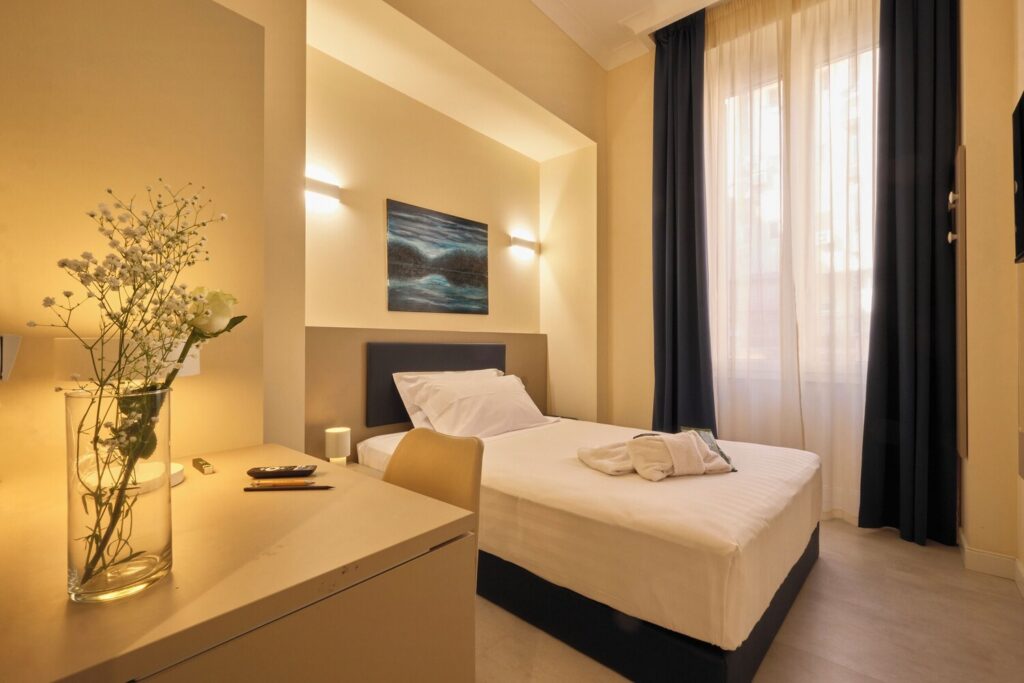
The cheapest well-rated bed inside the walls, which puts both halves of the city on foot from the front door. Good for a first trip on a mid budget. Only 54 reviews so far, so that score rests on thinner evidence than anything else on this list.
Regola / Campo de' Fiori
Pettinary Village
Via dei Pettinari 73
$165 a night, mid
Self-catering at 9.8 from 148 reviews, five minutes from the Campo de’ Fiori market, which becomes your breakfast and your cheap lunch. Suits anyone walking the baroque half slowly. Self-catering also means no reception standing by, so agree your arrival time before you fly.
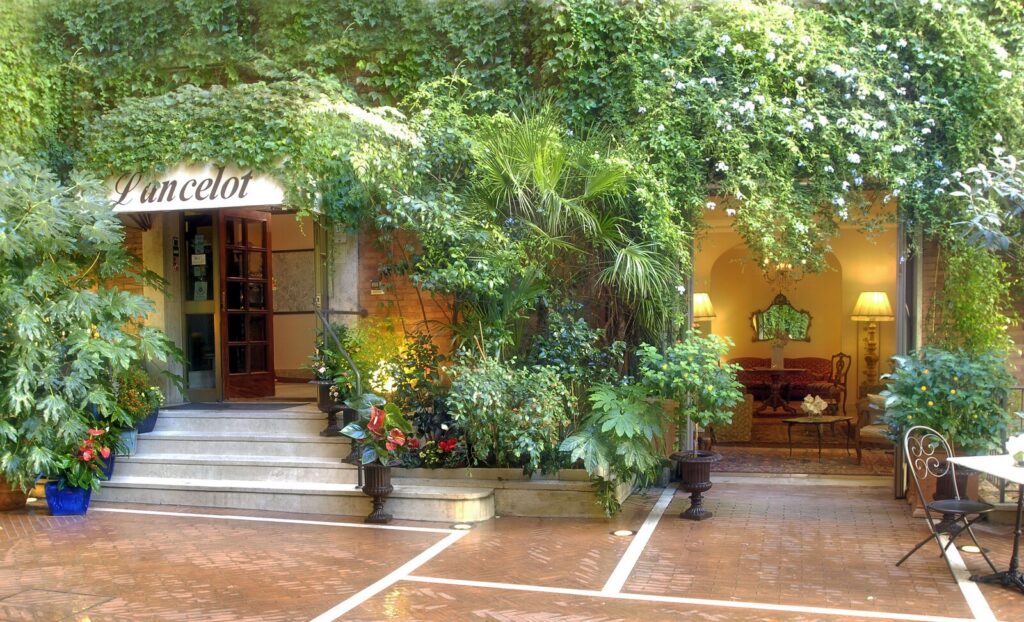
Celio / Colosseum
Hotel Lancelot
Via Capo d'Africa 47
$216 a night, mid
A family-run institution two streets behind the Colosseum, with a communal dinner most nights that solves your first evening. Built for the ancient half, so you’re out of the door and through the 8:30 gate in under ten minutes. Celio goes very quiet after dark, which some people want and some don’t.
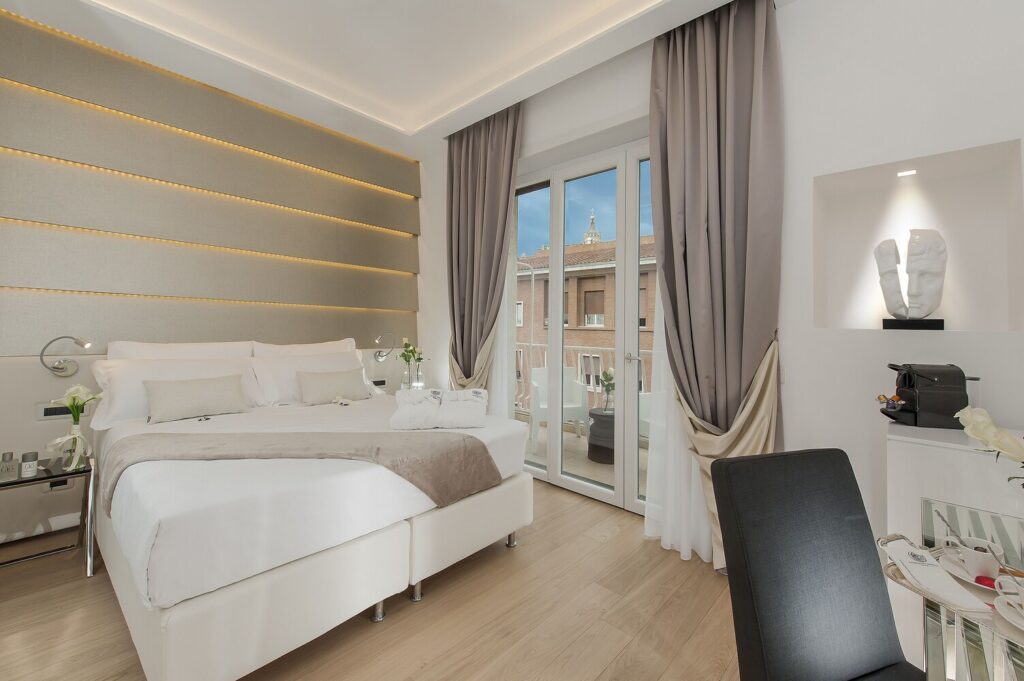
Prati / Vatican
Vatican Style
Via del Mascherino 46
$218 a night, mid
Walking distance to the Museums entrance, where the line starts forming before seven in April. Book it if the Vatican is the spine of your trip. Prati is calm and residential though, so the baroque centre is a twenty-minute walk and a bridge away.
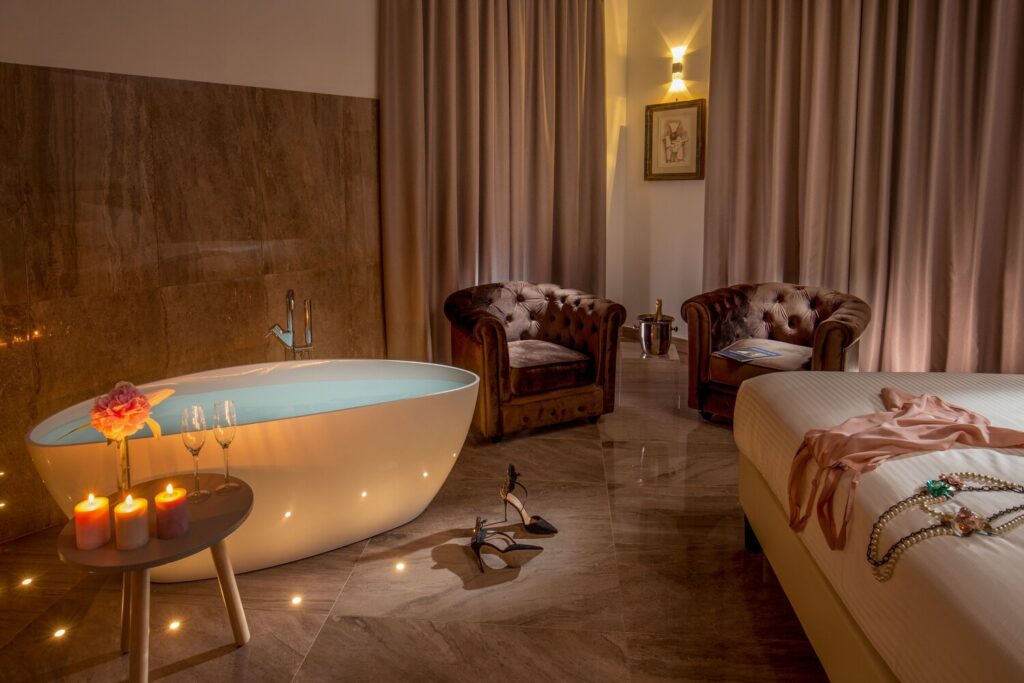
Rome centre
GCF Luxury Suites
Via del Corso 12
$222 a night, upper
Suites big enough that the afternoon lie-down becomes a pleasure rather than a retreat, at roughly guesthouse money. Freestanding tubs, which your feet will have opinions about by day three. Breakfast is a voucher for the bar downstairs, so there’s no buffet if you wanted one.
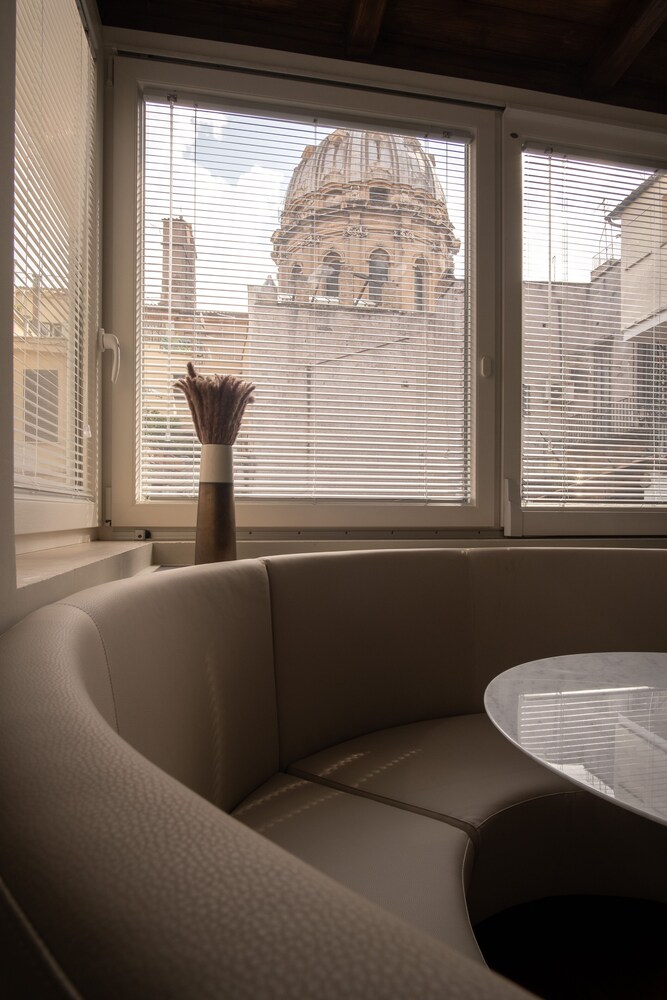
Campo de' Fiori
Hotel Smeraldo
Via dei Chiavari 20
$274 a night, upper
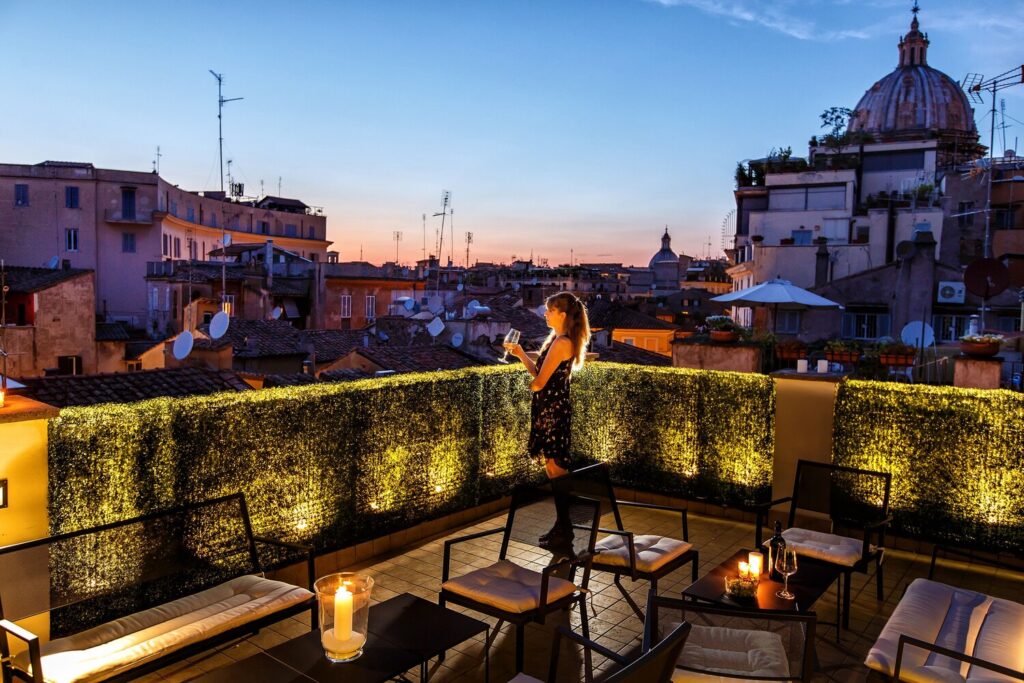
A rooftop terrace over the old roofs, sitting between Campo de’ Fiori and the Pantheon. You’re buying the address, and the baroque half starts outside the door. The rooms are plain next to that terrace, and the square below stays loud until two on weekends.
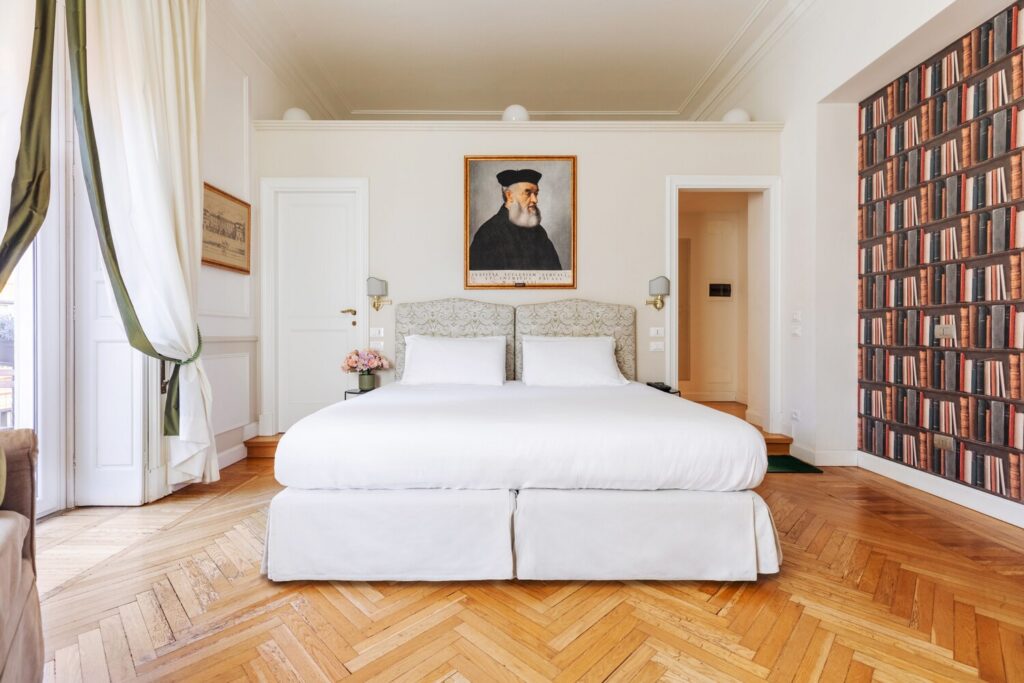
Pantheon / Sant'Eustachio
Relais Donna Lucrezia
$288 a night, upper
Eight rooms in a palazzo a hundred metres from the Pantheon. You’re paying for the address, and on a three-night trip where every walk starts at the door it earns the premium back in taxi fares and wasted hours. Eight rooms also means it’s the first thing on this list to sell out in April.
Where should you sleep?
Which area suits you comes down to what you’re paying for a room and how late you’re out.
Every place we track, by area
Rome centre
- GCF Luxury Suitesupper-end
- Rishonmid-priced
Regola / Campo de' Fiori
- Pettinary Villagemid-priced
Campo de' Fiori
- Hotel Smeraldoupper-end
Celio / Colosseum
- Hotel Lancelotmid-priced
Pantheon / Sant'Eustachio
- Relais Donna Lucreziaupper-end
Prati / Vatican
- Vatican Stylemid-priced
Termini / Esquilino
- Adesso Hotelmid-priced
What to do
The Rome tickets that earn their money are the timed ones. A Colosseum tour with the Forum and Palatine starts at $93, and the arena-floor version costs about forty more. The guided Vatican Museums and Sistine Chapel morning is the one nobody should improvise. The catacombs tour includes the coach transfers. The cooking class costs less than dinner for two.
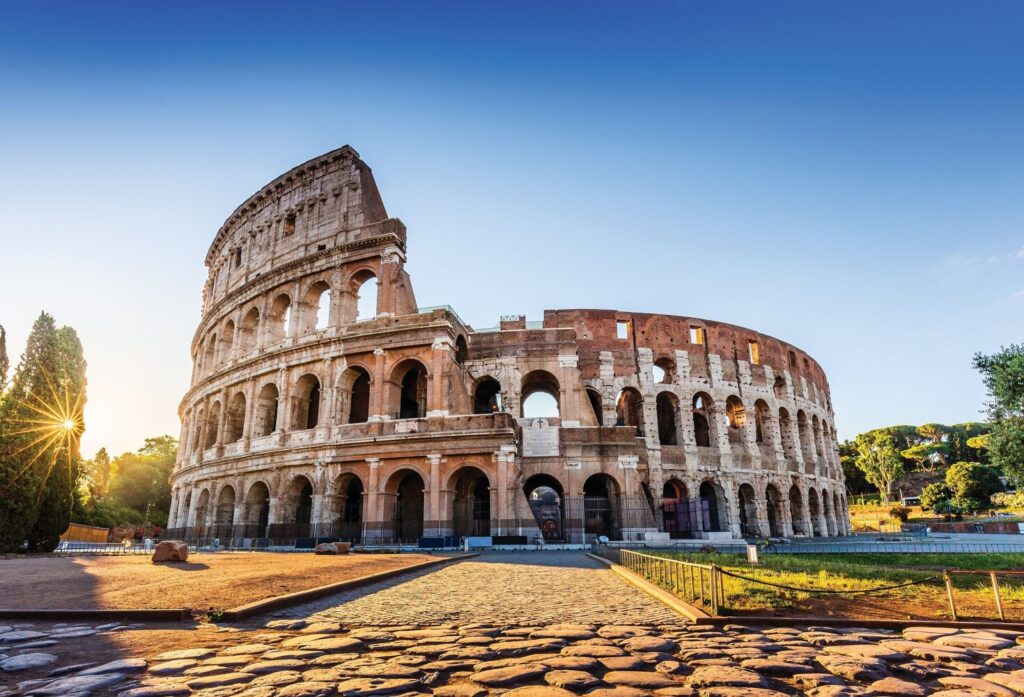
Colosseum Tour with Forum & Palatine Hill, Day/Night + Arena Access Option
The widest choice of slots of anything here, and four thousand reviews behind it. Take the 8:30 and you get the Forum before the tour coaches and before the stone starts throwing heat back at you. From $93, and one ticket covers the Colosseum, the Forum and the Palatine, the way the site is priced anyway.
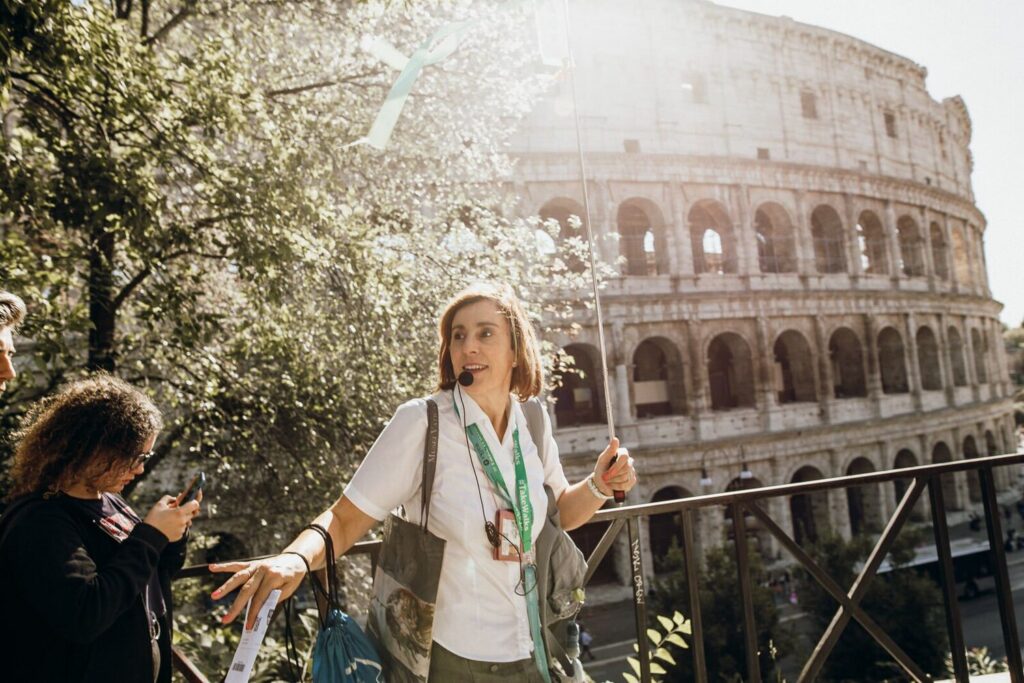
Gladiator's Gate: Special Access Colosseum Tour & Arena Floor
You walk in through the gladiators’ entrance and onto the arena floor itself, rather than looking down at it from the tier. That upgrade costs $38 over the standard tour, and it’s worth paying once. There’s no reason at all to buy this and the standard version both.
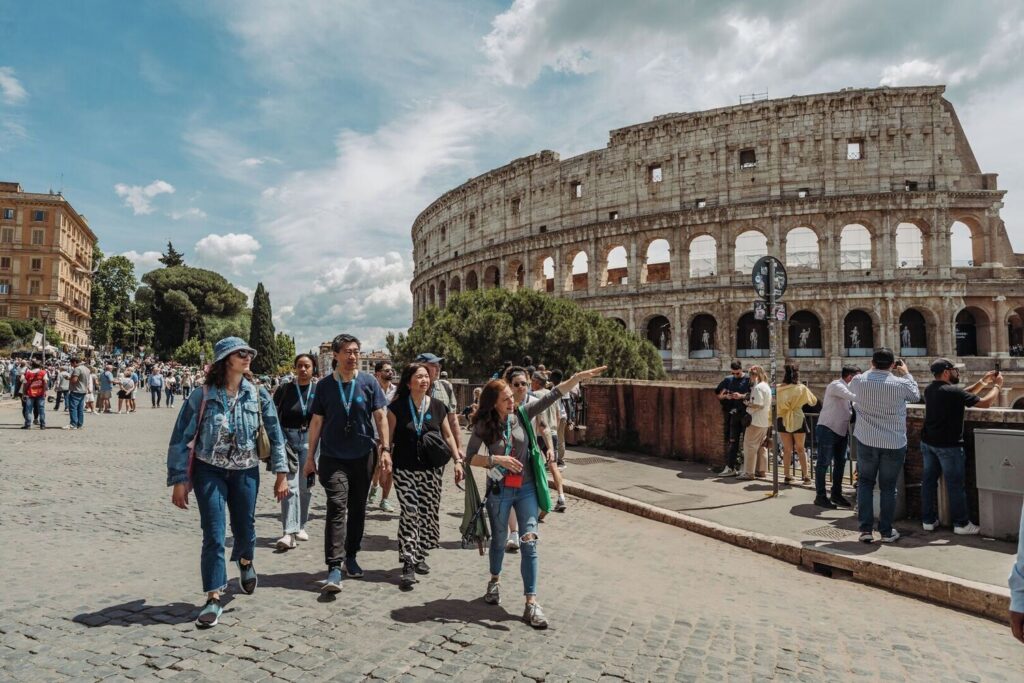
Colosseum Small Group Guided Tour with Roman Forum & Palatine Hill
Capped numbers, which is the difference between hearing your guide and watching their mouth move under the Colosseum’s echo. It costs about ten dollars over the big-group version. Choose it if you’re the sort who asks questions, and take the earliest slot offered.
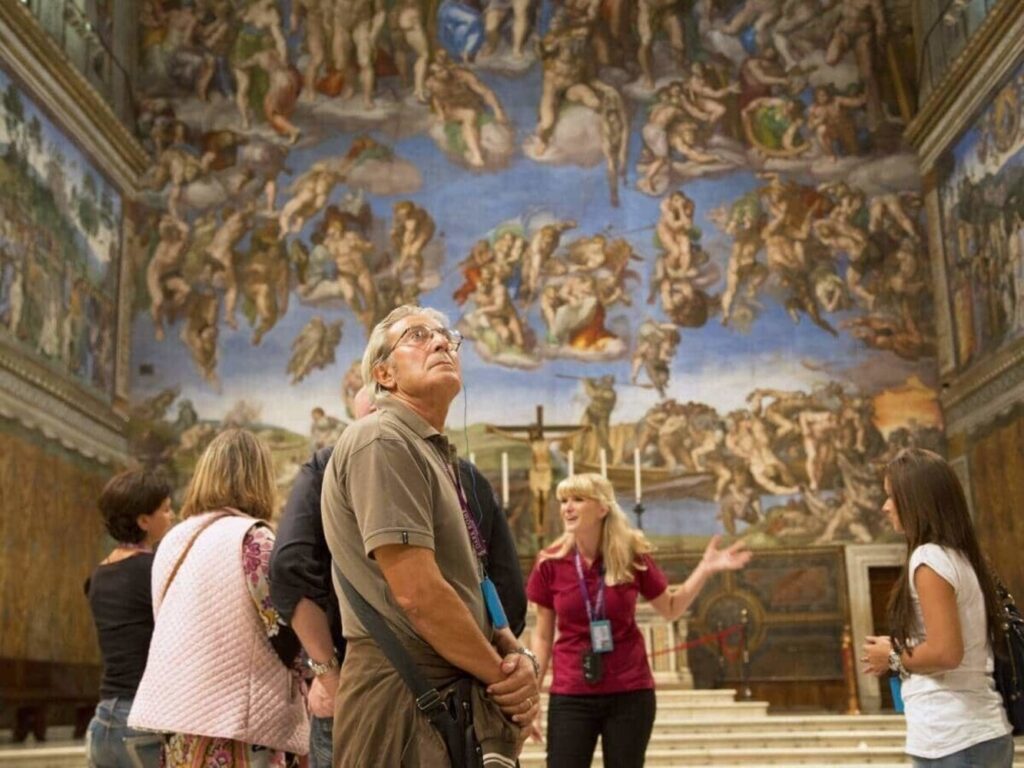
Vatican Museums, Sistine Chapel & St. Peter's Basilica Fully Guided Tour
Don’t improvise the Vatican. The standard line runs two hours in April, and the Sistine Chapel makes no sense without somebody explaining the ceiling. This one is $121 for all three sites on a single pass, and it’s the most-reviewed thing in Rome on Expedia.
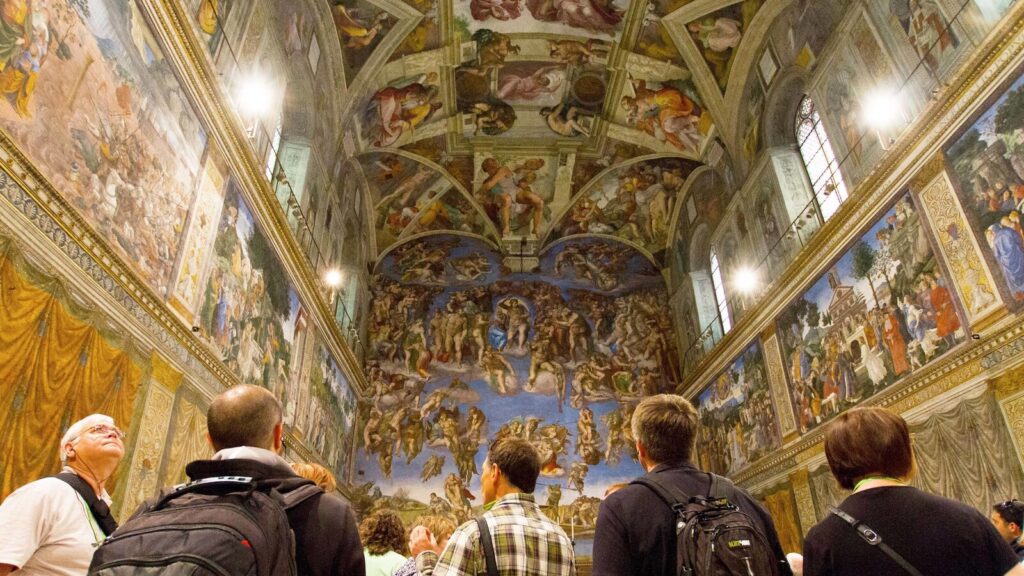
Vatican Museums & Sistine Chapel Skip-the-Line Small-Group Tour
Three and a half hours in a smaller group, without St Peter’s tacked on the end. Take this one if you’d rather see the Museums properly and then do the basilica free, on your own, the following evening once the queue has gone.
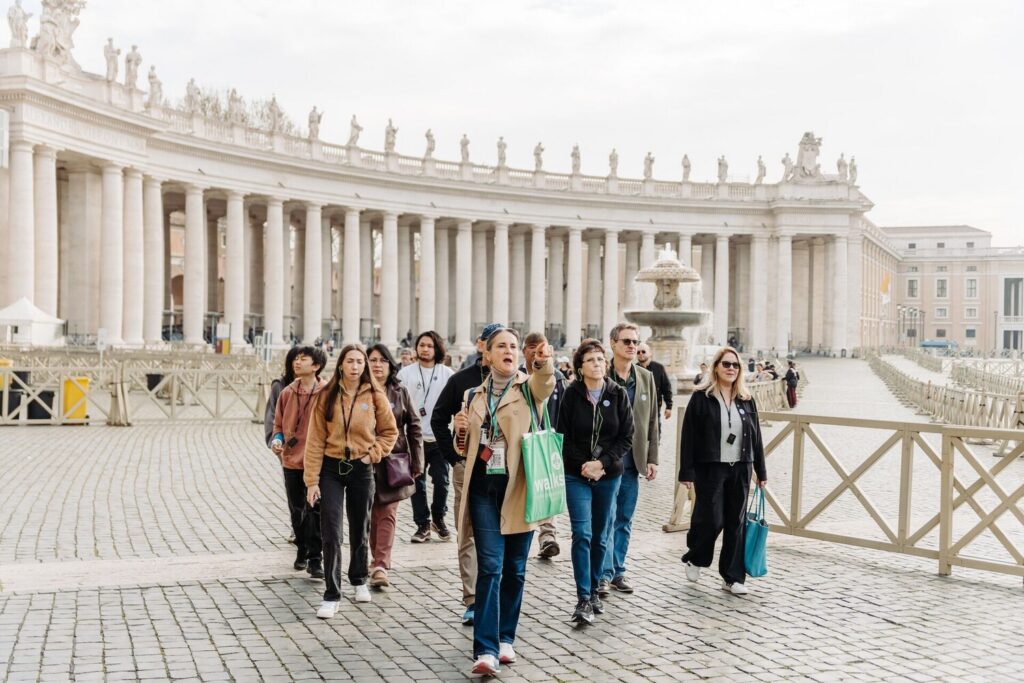
St. Peter's Basilica Priority Access Tour with Dome & Crypt
The basilica is free to walk into, so what you’re paying for here is the queue skip and the roof. That’s 551 steps and the best view in the city. Do it late in the afternoon, when the light has gone low and the stairwell has stopped being an oven.
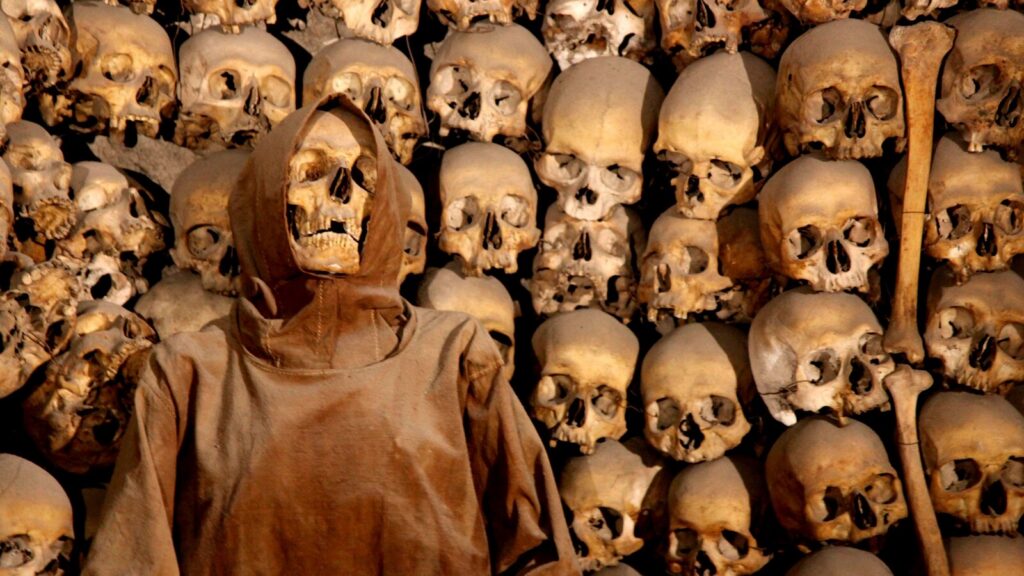
Crypts and Roman Catacombs Small-Group Tour with Coach Transfers
Transfers are included. That is the part that matters, because the Capuchin bone chapel and the Appian Way catacombs sit a long way out and the buses crawl. Book the afternoon slot. Underground is the one place in Rome that’s cool at three o’clock.
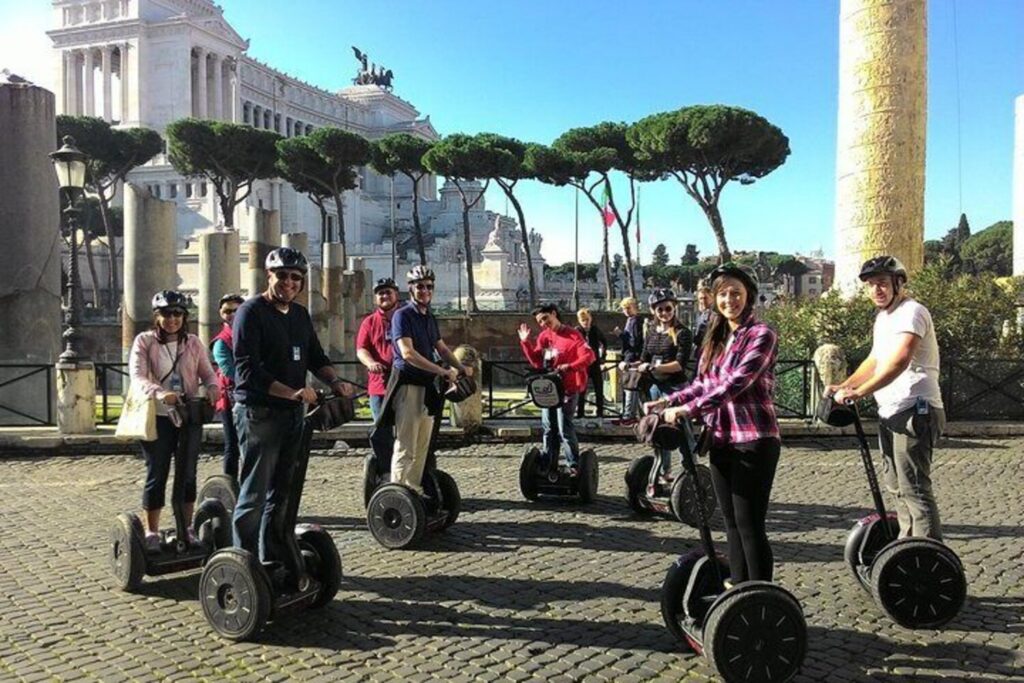
Rome Sights by Segway Tour
Rome is bigger than the map suggests, and the cobbles punish your feet by day three. Two and a half hours of this covers the baroque half at speed, and late in a walking trip it reads as a kindness rather than a gimmick. It’s also the best-rated thing on the page.
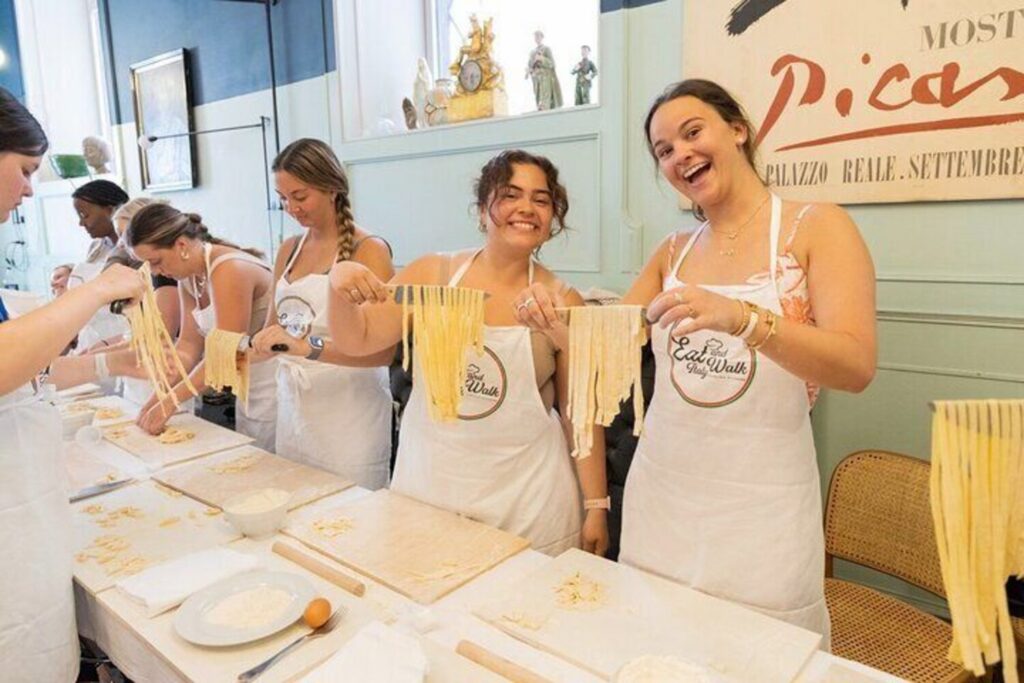
Rome 3-in-1 Cooking Class: Fettuccine, Ravioli & Tiramisu
You eat what you make, which puts $60 under the price of dinner for two in Trastevere. Slot it into an evening after a heavy walking day, and you come home able to cook the thing you spent the week eating.
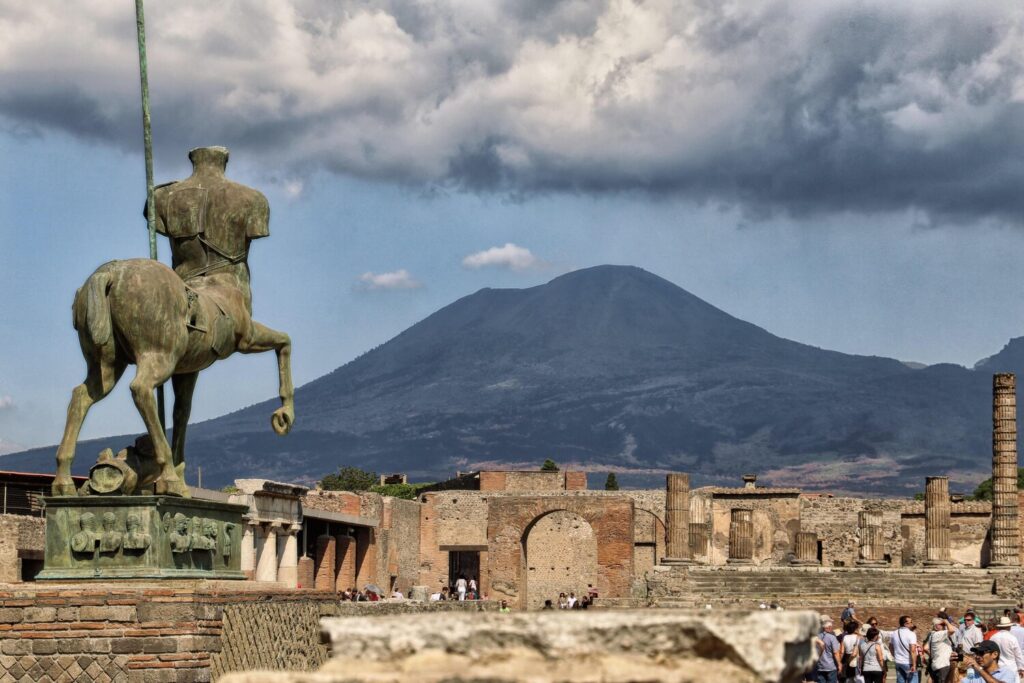
From Rome: Pompeii Day Trip with Optional Vesuvius & Pizza Lunch
Pompeii under your own steam is a four-hour round trip on trains before you see a single wall, so the premium on an eleven-hour guided day is smaller than it looks. Put it in a cool month. Pompeii has almost no shade, and $161 buys you none of it.
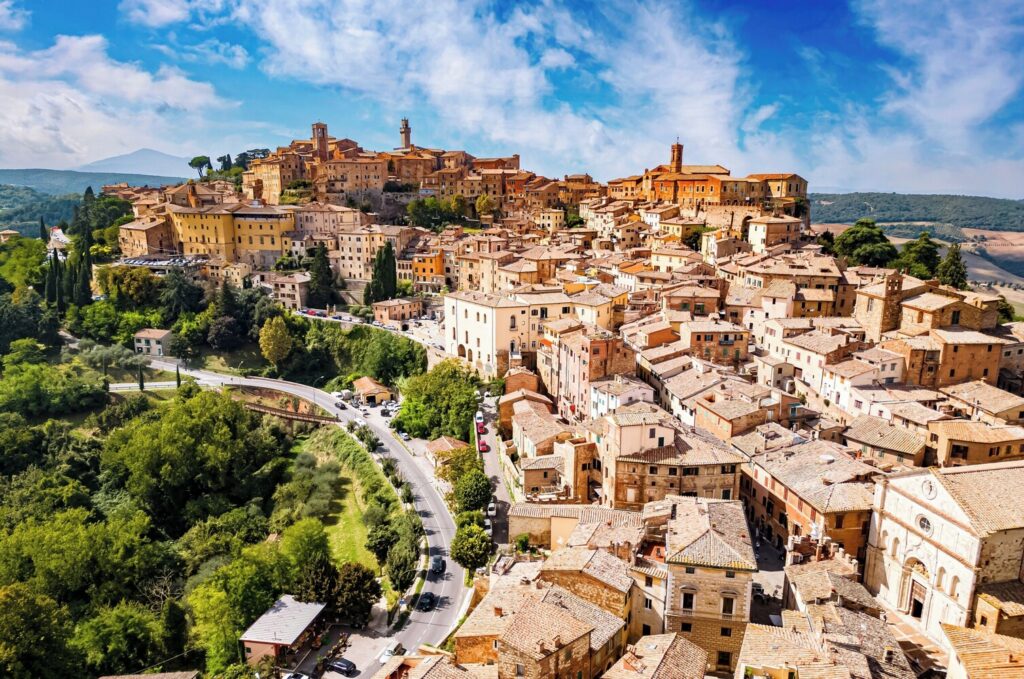
From Rome: Tuscany & Montepulciano Day Trip with Lunch & Wine Tasting
Lunch and the wine tasting are both included, so the real premium over a bus ticket is small. Take it instead of another ruin on day six, when you’ve had enough stone. The drive north through the Val d’Orcia is half the reason to go.
Eat here
Roman cooking is peasant and butcher’s food dressed up as nothing. Five ingredients, hard sheep’s cheese, cured pork jowl, offal, artichokes and salt-cured fish. The tourist-centre version flattens all that into cream sauces and ‘menu turistico’ lasagne, while the real repertoire is aggressively savoury and seasonal and built around the quinto quarto, the ‘fifth quarter’ of the animal that Testaccio slaughterhouse workers were paid in. The range is deliberately narrow and the execution is tight.
Dishes to know
- Cacio e pepe
- Pasta emulsified with only pecorino romano and black pepper, no cream and no butter.
- A version that tastes of cream, or arrives gluey and separated, is a bad kitchen. Traditionally tonnarelli or spaghetti, and the sauce should coat rather than pool.
- Carbonara
- Pasta with egg yolk, pecorino, black pepper and guanciale (cured pork jowl).
- Cream in the carbonara is the clearest tourist-trap signal in Rome. Pancetta or bacon instead of guanciale is a downgrade, and onion or garlic isn’t Roman at all.
- Amatriciana
- Tomato, guanciale, pecorino and chilli, usually on bucatini or rigatoni.
- No onion in the strict Roman version, though some trattorie add it and argue about it publicly.
- Gricia
- The one without tomato or egg, made from guanciale, pecorino and pepper.
- Often the best test of a kitchen, because there’s nothing to hide behind. Least likely of the four to appear on a tourist menu.
- Carciofi alla giudia
- Whole artichoke flattened and deep-fried until the leaves crisp like petals, from the Roman Jewish tradition.
- Seasonal, and strictly so. The Roman romanesco artichoke runs roughly late winter into spring. Offered year-round usually means frozen or imported.
- Carciofi alla romana
- Artichoke braised stem-up with mint, garlic and olive oil, served soft and green.
- The other half of the artichoke pair, same season. Eaten as a contorno or antipasto rather than a main.
- Trippa alla romana
- Tripe stewed in tomato with pecorino and a lot of fresh mint.
- Classic Saturday dish in the old trattoria calendar. The mint is the Roman marker.
- Coda alla vaccinara
- Oxtail stewed slowly with celery, tomato and sometimes pine nuts, raisins or cocoa.
- Testaccio’s signature quinto quarto dish. It needs hours, so it’s a menu item that’s hard to fake.
- Supplì
- Fried rice croquette with a mozzarella core, usually in tomato-flavoured risotto rice.
- Street and pizzeria snack, eaten standing. The Roman one is round-ended and cheese-stringy. Sicilian arancini are a different thing.
- Pizza al taglio
- Rectangular tray pizza cut with scissors and sold by weight.
- You point at a length, they cut, weigh, price. Standard lunch, not a sit-down meal.
- Maritozzo
- A sweet bun split and packed with unsweetened whipped cream.
- A breakfast item eaten standing at a bar with coffee, not a dessert.
Where to eat
- Testaccio
- The old slaughterhouse district and the home ground of quinto quarto cooking. Traditional trattorie plus the covered market, and still a residential neighbourhood rather than a nightlife strip.
- Trastevere back streets (south and west of the main piazzas)
- The squares themselves are heavily touristed, though two or three streets back the neighbourhood trattorie and the Piazza San Cosimato market still serve a local lunch crowd.
- Monti
- Central but residential in feel, with small wine bars, enoteche and pasta places that fill with Romans at aperitivo and dinner rather than with day-trippers.
- Pigneto
- Working-class east Rome turned young and cheap. Street food, natural wine bars, and a mix of Roman and immigrant kitchens, busy late and almost entirely local.
- Prati
- Solidly middle-class Vatican-adjacent residential grid with the huge Trionfale market, good bakeries and pizza al taglio counters aimed at people who live and work there.
What to walk past
Anything with a view of the Colosseum, the Trevi Fountain, the Pantheon or Piazza Navona, plus the tourist-menu strips immediately around Termini and the main Trastevere piazzas. Five to ten minutes’ walk in any direction is a different price and a different kitchen. The reliable signals are photographs of the dishes, menus in four or more languages, a fixed ‘menu turistico’, a card that offers pasta and pizza and burgers and salads all at once, someone standing outside inviting you in, and carbonara described as containing cream.
Markets
- Mercato di Testaccio (Nuovo Mercato di Testaccio)
- Monday to Saturday, roughly 07:00 to 14:00/14:30, closed Sunday
- A modern covered market that is still a genuine neighbourhood produce market, with butchers, cheesemongers and a row of counters doing sandwiches and fried snacks at lunch. The best single place to see Roman ingredients and eat cheaply in the same hour.
- Mercato Trionfale
- Monday to Saturday, roughly 07:00 to 14:00, closed Sunday
- One of the largest food markets in the city, several hundred stalls, in residential Prati. Very little tourist trade. This is where the neighbourhood does its weekly shop, so seasonality is obvious at a glance.
- Mercato di Piazza San Cosimato (Trastevere)
- Monday to Saturday mornings, roughly 06:30 to 14:00/14:30
- Small, open-air and unglamorous, in the middle of the most touristed neighbourhood in Rome. A fast reality check on what’s in season against what the surrounding menus claim.
- Porta Portese
- Sunday mornings only, from about 06:00 to 14:00
- A flea market rather than a food market, though the food stands feeding the crowd, pizza and supplì and panini, are Sunday-morning Rome at its least curated. Go early, because it’s unmanageable by mid-morning.
When people eat
Breakfast is a standing coffee and a cornetto or maritozzo at a bar, any time from seven until eleven, and it’s small. No eggs, no sitting down. Lunch runs about 12:30 to 14:30 and is the moment for pizza al taglio or a single pasta course. Aperitivo fills the early evening. Dinner starts around eight and runs late. A trattoria with a full dining room at half six, or a kitchen serving pasta straight through the afternoon, is running on tourist hours.
Eating cheaply
A few formats carry Rome cheaply. Pizza al taglio counters, where you point at a length of tray pizza and pay by weight and eat standing. Tavola calda and rosticceria counters, which sell trays of roast vegetables, potatoes, meatballs and lasagne by portion at lunch. Then the fried-snack economy, supplì and filetti di baccalà and trapizzino, plus a sandwich from a market stall. Coffee and pastry standing at the bar counter costs a fraction of sitting at a table, and that price difference is legally posted.
If you don't eat everything
- Vegetarian
- Easy in practice, though you order sideways. The classic pastas all contain cured pork, so lean on cacio e pepe, pasta e ceci, the vegetable contorni, artichokes in season, puntarelle, and pizza al taglio, which is often mostly vegetable-topped. Ask ‘senza carne’ and check for guanciale, pancetta and anchovy by name, because locals may not count those as ‘meat’.
- Gluten free
- Italy handles coeliac disease unusually well. It’s diagnosed and state-supported, and the phrase to use is ‘sono celiaco’ or ‘senza glutine’. The Italian Coeliac Association (AIC) certifies restaurants and publishes a list of accredited places in Rome. Look for the AIC crossed-ear-of-wheat sticker rather than trusting a general ‘gluten free’ claim. Fried Roman dishes and pizza are the risky areas because of shared oil and shared ovens.
- Halal and other
- Halal options concentrate around Esquilino and Piazza Vittorio, the Termini area and the Tor Pignattara and Pigneto stretch east, largely Bangladeshi, Egyptian and North African kitchens, plus the Grande Moschea di Roma area in Parioli. Roman cooking itself is pork-heavy, so a Roman trattoria is rarely the answer. Kosher eating sits in the Ghetto around Via del Portico d’Ottavia, which is also where the Jewish-Roman artichoke tradition lives. Certification status for specific establishments wasn’t verified here.
Free and cheap
Things worth your morning that cost nothing, or close to it. Opening hours change, so check before you walk up a hill for one.
Near Trevi Fountain
Galleria Sciarra
Free, no ticket. Go in from Via Marco Minghetti or Piazza dell’Oratorio during weekday office hours, roughly 8am to 7pm. 10 minutes is enough.
Trastevere / Gianicolo
Gianicolo (Janiculum Hill) belvedere
Free and open all day. Arrive about an hour before sunset if you want a bench at the Belvedere del Gianicolo. A cannon fires a blank at noon every day.
Trieste, north-east of the centre
Quartiere Coppede
Free, no set hours. Take tram 3 or 19 to Piazza Buenos Aires and walk two minutes to Piazza Mincio. Go late afternoon for the light and allow 30 to 45 minutes.
Around the city
Every major church is free, and so are the Pantheon's square, the Aventine keyhole and the Colosseum floodlit at eleven at night.
#DomenicalMuseo
the state museums and sites are free the first Sunday of every month, the Colosseum, the Forum and the Borghese among them. The 2026 dates are 4 Jan, 1 Feb, 1 Mar, 5 Apr, 3 May, 7 Jun, 5 Jul, 2 Aug, 6 Sep, 4 Oct, 1 Nov, 6 Dec
Galleria Borghese still needs a booking on free Sundays and the slots go early
Vatican Museums and the Sistine Chapel are free the last Sunday of the month
From 1 Feb 2026 Roma Capitale changed civic-museum pricing. Residents get in free all year, and some formerly free civic museums now charge non-residents, so check the museum you want before you count on free entry
What most visitors miss
There’s Centrale Montemartini in Ostiense, where Roman statues stand among the turbines of a 1912 power plant, and the Palazzo Colonna gallery, open a couple of mornings a week. Galleria Sciarra is a frescoed office courtyard two minutes from Trevi with no sign on it. The Gianicolo belvedere is the highest free view in the city.
museumOstiense
Centrale Montemartini
Via Ostiense 106
Classical Roman marble and bronze statues stand among the turbines and boilers of a decommissioned 1912 power plant. It holds the overflow from the Capitoline Museums, so the quality matches anything in the centre, and it sits a fifteen minute walk south of Piramide with almost nobody in the rooms.
Tip Open Tuesday to Sunday 9am to 7pm, EUR 11 full price (EUR 6.50 reduced), reachable by Metro B to Piramide then a short walk down Via Ostiense.
museumVia del Corso / Fontana di Trevi
Palazzo Colonna gallery
Via della Pilotta 17
A private baroque palace with a hall of mirrors that outshines most of what tourists queue for at the Vatican. It opens two mornings a week and closes the other five, so first-time visitors never plan around it and the room stays uncrowded. Take the Friday slot and go at 9:30.
Tip Self-guided visits run Friday and Saturday mornings only, 9:30am to 1:15pm last entry, EUR 21, book ahead online since slots are scarce in spring and autumn.
walkNear Trevi Fountain
Galleria Sciarra
Galleria Sciarra
A working office courtyard two minutes from Trevi, painted floor to iron-and-glass roof with Art Nouveau frescoes of women in nineteenth-century dress. No sign on the street and no ticket booth, so the crowds heading for the fountain walk straight past the entrance. Walk in and look up.
Tip Free, no ticket, enter from Via Marco Minghetti or Piazza dell’Oratorio during weekday office hours, roughly 8am to 7pm. Ten minutes is enough.
viewpointTrastevere / Gianicolo
Gianicolo (Janiculum Hill) belvedere
Piazzale Giuseppe Garibaldi
The highest viewpoint over the whole city, with the same rooftop sweep people pay for at a Trastevere bar, and it costs nothing. Most first-timers settle for the Pincio or a paid terrace, because the Gianicolo is a stiff uphill walk above Trastevere and sits off the baroque-half route. The benches face west into the sunset.
Tip Free, open all day, arrive about an hour before sunset for a bench at the Belvedere del Gianicolo. A cannon fires blank at noon daily if you want the other odd ritual up there.
foodCampo de' Fiori
Forno Campo de' Fiori, plain pizza bianca
Campo de' Fiori 22
The bakery on the market square sells nothing but bread and flatbread, and the plain pizza bianca, just dough, olive oil and salt, is what Romans eat standing up between errands. It looks like a plain bakery rather than a food stop, so visitors take the tourist-facing slices sold a block away instead. Order the bianca by the length and eat it walking.
Tip A few euros a slice and nowhere to sit. Open market hours, roughly 7:30am to 2:30pm and again late afternoon, shut Sunday afternoon and all Monday. Eat it walking.
neighbourhoodTrieste, north-east of the centre
Quartiere Coppede
A single architect’s fever dream of a district, with buildings dripping with gargoyles, frescoed facades and a chandelier hanging over the entrance archway. It sits outside the walking centre with no ancient or baroque site to pair it with, so it appears on almost no first-trip itinerary. The whole thing is a few streets and takes half an hour.
Tip Free, no set hours, take tram 3 or 19 to Piazza Buenos Aires then walk two minutes to Piazza Mincio. Go late afternoon for the light and allow 30 to 45 minutes.
Packing list
Save a month and a few things to do and this list grows to match.
- Type C/F plug adapter
- Shoes with grip
- Sun hat
Common questions
The question I get most about Rome is whether the Colosseum and the Vatican need booking ahead. Yes, in every month bar January and February. Slots sell out days ahead in spring and autumn, while the Vatican Museums line can run two hours in April. Booking costs a few dollars more and buys back an hour, twice.
What is the cheapest month to visit Rome?
December, at about $128 a night, and the only spike is Christmas week itself. February runs a few dollars more with slightly kinder weather. Both are cold and short on daylight. What you get for that is the Forum with nobody in it, and a bed costing roughly half what April charges.
How many days do you need in Rome?
Four to five. One day for the ancient half, one for the baroque half, one for the Vatican, and a fourth for whatever the first three made you curious about. Add a fifth and a sixth if you want Pompeii or Tuscany, because those are eleven to twelve hour days that eat everything around them.
Is Rome safe and is it walkable?
Very walkable and generally safe. The historic centre is three kilometres across, so almost nothing needs transport. Pickpockets work Termini, bus 64 and the crush at Trevi, which is a bag-in-front problem rather than a danger. The real hazard is the cobbles, so bring shoes with a sole rather than fashion trainers.
What is the weather like in April, May and October?
April sits near 20C (68F) and gets showers that pass through. May is warmer, and the evenings stay dry and long. October lands around 22C (72F), and that’s when the first real rain of the autumn arrives. All three let you walk from eight until one, then again from four until late.
How do you get from Fiumicino or Ciampino into Rome?
From Fiumicino, the Leonardo Express runs to Termini in 32 minutes for about EUR 14, every fifteen minutes. From Ciampino there’s no train, so it’s an airport bus to Termini in roughly forty minutes for EUR 6, longer in traffic. A taxi from either is a fixed fare into the walls, around EUR 50 from Fiumicino.
Do I need to book the Colosseum and the Vatican in advance?
Yes, in every month except January and February. Colosseum timed entry sells out days ahead in spring and autumn, and the Vatican Museums line runs two hours before you reach the door in April. A booked slot costs a few dollars more and buys back an hour of your morning, twice.
What is the siesta rhythm and does it still matter?
It matters most from May to September. Small shops and family-run kitchens shut roughly from one until four, the streets empty and the stone holds heat. Plan sightseeing for eight until one, go horizontal in an air-conditioned room, then come back out at four and stay out until midnight like everyone else.
Is August a bad time to go to Rome?
August is the cheapest warm month in Rome and the hardest to enjoy. Highs sit around 32C (90F), and through Ferragosto in mid-August a lot of the family-run kitchens shut for a fortnight. Late August is the workable compromise. October costs less a night than August and is ten degrees kinder in the afternoon.
Is the Roma Pass worth buying?
Only if you’re hitting several paid sites and riding a lot of buses. The best hours in Rome are free anyway, from every major church to the Pantheon’s square, the Aventine keyhole and the Colosseum floodlit at eleven at night. Price the pass against the two or three tickets you intend to buy.