London
In London the bed is the trip and the fares cap at GBP 8.90
January in London runs a median $99 a night, against more than three times that in July. The big museums are free in both months, so the bed is most of what you’ll spend.
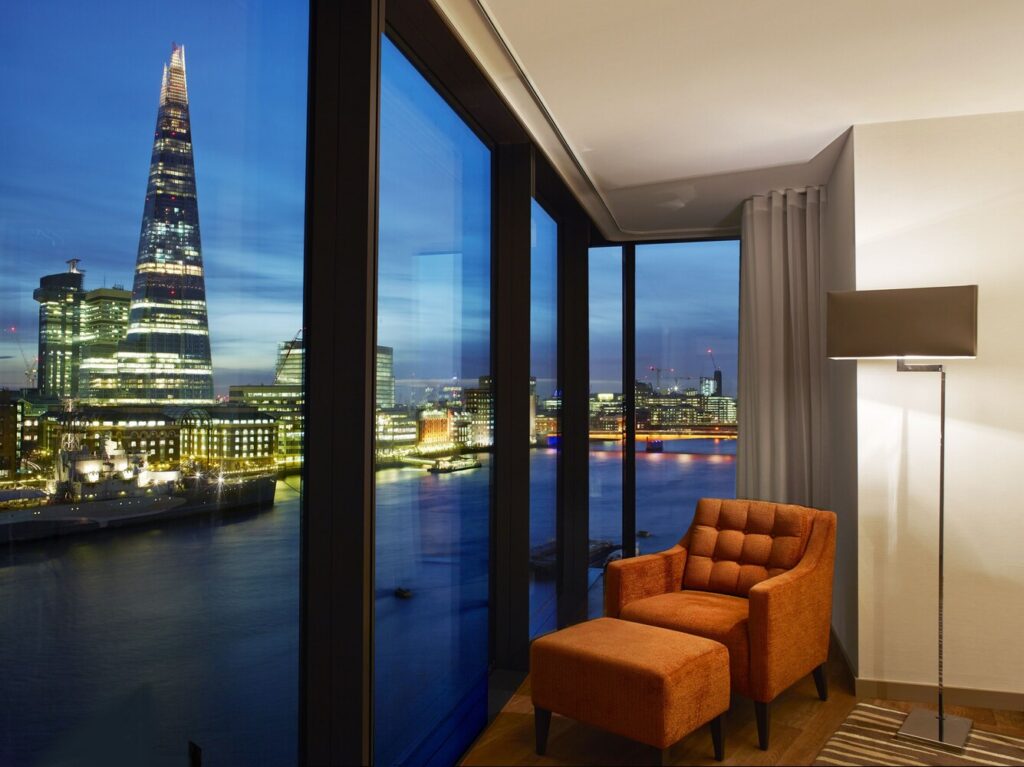
Fares cap at about GBP 8.90 a day in Zones 1 and 2 if you tap the same contactless card every time, so don’t buy an Oyster. Stay in Shoreditch at nhow London, check prices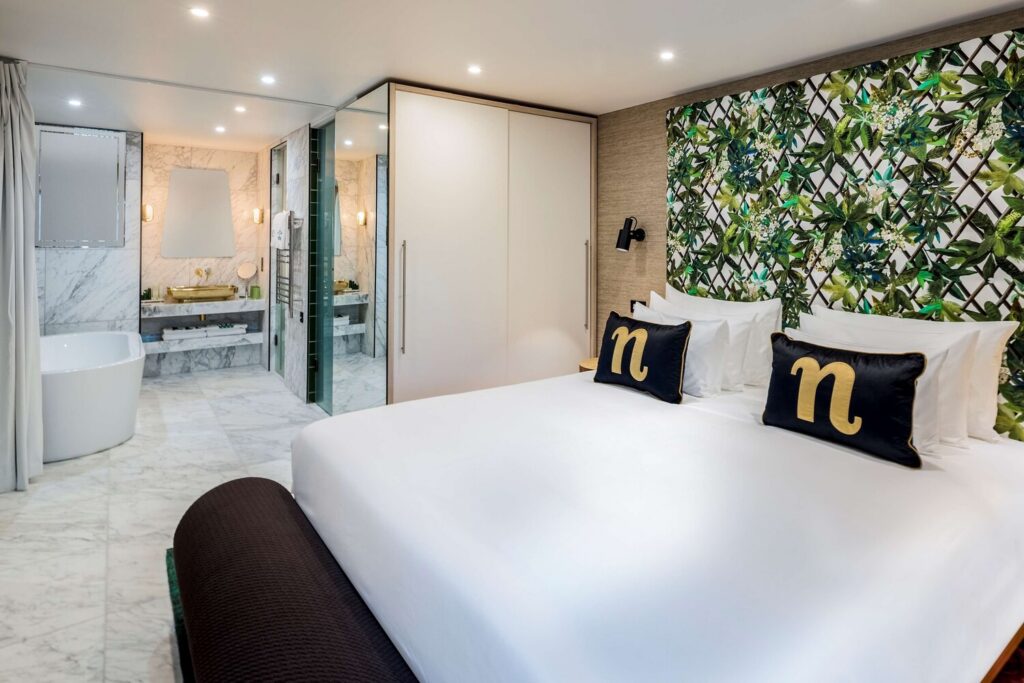 nhow LondonShoreditch$192 a night, midCheck prices and the neighbourhood does your evenings for you, loudly, until late.
Eat a salt beef beigel with mustard and gherkin at the Brick Lane Beigel Bake, which has never once closed. Set a reminder for Monday morning too, because that’s when the free Sky Garden slots for the next three weeks go up, and the good ones go within minutes.
Quick facts
- Best time
- September into mid-October, or March for cheaper beds
- Days needed
- 5-6 days
- Stops
- 1 stop
- Cheapest month
- January · $99/night see costs
- Where to sleep
- nhow London, check pricesnhow LondonShoreditch$192 a night, midCheck prices · $192 a night, mid
When to go and what it costs
The hotel is what moves a London budget. A mid-range day runs about $265 a head, most of it the bed. January sits at a $99 median, with February, November and October the other cheap ones. July is the dearest real month, more than three times January, while transport caps near GBP 8.90 a day and the museums cost nothing.
September and the first half of October, 14C to 20C (57F to 68F), with the theatre season back on and the summer crowds gone home. Skip July. It’s the dearest real reading of the year and the busiest, and the Tube has no air conditioning.
Book March if you want the daylight back while the beds are still cheap. If price decides everything, go in January at a $99 median, because a city whose backbone is free indoor museums is close to weather-proof.
| Month | Avg nightly hotel |
|---|---|
| January | $99 $152 below the annual average |
| Best value The cheapest bed of the year at $99. Highs 7C to 9C (45F to 48F), dark by four, wet, and the free museums are warm and half empty. | |
| February | $140 $111 below the annual average |
| 6C to 10C (42F to 50F), grey, and dark by half four. Still a bargain, though mid-February half-term is the one spike in the month. | |
| March | $195 $56 below the annual average |
| Best value Daylight back to six, the parks waking up, 10C to 13C (50F to 55F). Prices climb faster than the weather improves. | |
| April | $259 $8 above the annual average |
| Blossom in the parks and showers most days, 11C to 15C (52F to 59F). Easter and the London Marathon push central rates hard. | |
| May | $275 $24 above the annual average |
| Peak The best light of the year, 15C to 19C (59F to 66F). Two bank holidays and Chelsea Flower Show week keep the central hotels tight. | |
| June | $326 $75 above the annual average |
| Peak Light until nearly ten, 18C to 22C (65F to 71F), and Wimbledon from the end of the month. Second dearest month here, and busy everywhere you go. | |
| July | $332 $81 above the annual average |
| Peak The dearest real reading of the year. 21C to 24C (70F to 75F), humid Tube, school holidays, peak crowds. Good for the parks, punishing for the bed. | |
| August | $240 $11 below the annual average |
| Peak A real drop from July. 21C to 23C (70F to 74F), the City quietens, and Notting Hill Carnival lands over the late-August bank holiday. | |
| September | $560 $309 above the annual average |
| Best value Reads $560, which is a twelve-month-out sample on thin inventory. Ignore it. September is warm and quiet and normally comes in under June. | |
| October | $186 $65 below the annual average |
| Best value 14C to 17C (57F to 62F), the first fortnight often golden, and the theatre season back on. The best value in the warm half of the year. | |
| November | $166 $85 below the annual average |
| Grey, 9C to 12C (48F to 53F), dark afternoons. The month to be indoors in a free museum on purpose. | |
| December | $234 $17 below the annual average |
| Peak Lights on Oxford Street, markets, 7C to 10C (45F to 50F), and a hard spike over the holidays themselves. Shopping streets heaving, museums calm. | |
Bob W London Hyde Park
Check prices for Bob W London Hyde ParkThe Cura Hotel Kensington
Check prices for The Cura Hotel KensingtonThe Cumberland, London
Check prices for The Cumberland, LondonH10 London Waterloo
Check prices for H10 London Waterloonhow London
Check prices for nhow LondonThe July London Victoria
Check prices for The July London VictoriaThe Egerton House Hotel
Check prices for The Egerton House HotelCheval Three Quays at the Tower of London
Check prices for Cheval Three Quays at the Tower of LondonPan Pacific London
Check prices for Pan Pacific LondonThe Resident Covent Garden
Check prices for The Resident Covent Garden
below average above average
What a day costs
A Zone 2 room or hostel bed, a supermarket meal deal, capped fares and only free museums comes to roughly $120 a day. About $265 gets a Zone 1 room with a kettle, a pub lunch, dinner out, one paid sight and a West End day seat. Double that and you’re in a townhouse hotel taking black cabs home.
Shoestring
$120/day
A Zone 2 room or a hostel bed, a GBP 4 supermarket meal deal for lunch and one cheap dinner, transport stopped at the GBP 8.90 daily cap, and sights limited to the free museums, which in London means most of the best ones.
5-day trip · $600
Mid-range Most readers
$265/day
A mid-range Zone 1 room with a kettle or a kitchenette, a proper pub lunch and a sit-down dinner, the daily contactless cap, one paid attraction such as the Tower or the Eye, and a GBP 20 to 30 day seat at a West End show.
5-day trip · $1,325
Comfort
$520/day
A townhouse hotel or a serviced apartment in Zone 1, restaurant meals with wine, the occasional black cab instead of the last Tube, afternoon tea, booked stalls seats rather than day seats, and a guided day trip out to Bath or the Cotswolds.
5-day trip · $2,600
| Shoestring | Mid-range Most readers | Comfort | |
|---|---|---|---|
| Per day | $120/day | $265/day | $520/day |
| Includes | A Zone 2 room or a hostel bed, a GBP 4 supermarket meal deal for lunch and one cheap dinner, transport stopped at the GBP 8.90 daily cap, and sights limited to the free museums, which in London means most of the best ones. | A mid-range Zone 1 room with a kettle or a kitchenette, a proper pub lunch and a sit-down dinner, the daily contactless cap, one paid attraction such as the Tower or the Eye, and a GBP 20 to 30 day seat at a West End show. | A townhouse hotel or a serviced apartment in Zone 1, restaurant meals with wine, the occasional black cab instead of the last Tube, afternoon tea, booked stalls seats rather than day seats, and a guided day trip out to Bath or the Cotswolds. |
| 5-day trip | $600 | $1,325 | $2,600 |
What will your trip cost?
- Shoestring $120 a day · 3 nights $360
- Mid-range $265 a day · 3 nights $795
- Comfort $520 a day · 3 nights $1,560
Beds, food and local transport for one person. Flights and anything you book on the day are not in it.
How long do you have?
A first trip to London needs five or six full days, one neighbourhood each. That gets you the South Bank, Bloomsbury, South Kensington, the City and Westminster at a walking pace with a theatre night thrown in. Seven or eight days adds Shoreditch and Greenwich. Bath, Stonehenge or the Cotswolds each take a ninth day, being eleven-hour coach runs.
2 days · The river weekend
- Day 1, South Bank end to end, Tate Modern free, Borough Market lunch, the London Eye at $39 in late afternoon.
- Day 2, Tower of London at opening, Tower Bridge on foot, the City alleys, St Paul’s Evensong at five, dinner in Soho.
4 days · Four neighbourhoods, four days
- Day 1, South Bank and Bankside, with the Eye booked for orientation on the first afternoon.
- Day 2, Bloomsbury, the British Museum at opening, Sir John Soane’s Museum, evening in Soho.
- Day 3, South Kensington museums, held back for the wettest forecast day of the four.
- Day 4, The City and Tower Hill, then a day-seat matinee or an evening show in the West End.
6 days · The full neighbourhood plan
- Days 1-4, the four-day plan above, unhurried, two museums a day rather than three.
- Day 5, Shoreditch, Spitalfields and Brick Lane, ideally on a Sunday for the markets.
- Day 6, Greenwich by river bus, then whichever district the rain pushed off the schedule.
8 days · London plus two coach days
- Days 1-6, the full neighbourhood plan, including one theatre night bought as day seats.
- Day 7, Bath and Stonehenge at $103, eleven hours, two stops and real time in Bath.
- Day 8, the Cotswolds and Oxford at $107, or Hampton Court and Kew if you want a shorter day.
Suggested itinerary
The London plan takes one district per day. You land, set up contactless and walk your own neighbourhood. Day two goes along the South Bank from Tate Modern to Borough Market and the Eye. Day three is the British Museum and Bloomsbury, day four South Kensington’s free museums held back for rain, day five the Tower.
Day 1 · Landing and the contactless set-up
Don’t buy an Oyster card. Tap one contactless card or one phone on every reader, keep using that same one all week, and Transport for London caps the total for you at about GBP 8.90 a day across Zones 1 and 2.
From Heathrow take the Elizabeth line to Paddington or Tottenham Court Road rather than the Piccadilly, which takes nearly twice as long for the same fare. Drop the bags and walk your own neighbourhood for an hour, eat wherever you end up. Buses are the cheap slow way across town, a flat GBP 1.75 with free changes inside the hour.
Day 2 · South Bank and Bankside end to end
Start at Waterloo and walk east along the river. Tate Modern is free, so do the Turbine Hall and one collection floor, then ride up to the Blavatnik viewing level for a free panorama over St Paul’s that most visitors never find.
Cross the Millennium Bridge, come back over Southwark Bridge, and eat standing at Borough Market, where a salt beef bagel or a raclette roll runs GBP 10 to 15 and beats every restaurant nearby. Finish at the London Eye at $39, thirty minutes, booked for late afternoon rather than sunset.
Day 3 · Bloomsbury and the British Museum
It’s free, and two hours is enough for a first visit. Go at ten when the Great Court opens and head straight upstairs to the Egyptian and Assyrian galleries before the tour groups arrive at eleven.
Walk Bloomsbury after that, past Russell Square and the Georgian terraces to Sir John Soane’s Museum on Lincoln’s Inn Fields, also free and the strangest interior in London. Lunch is a GBP 4 supermarket meal deal eaten in a square. Evening in Soho, ten minutes on foot, for Chinatown or the small bars off Berwick Street.
Day 4 · South Kensington museum quarter
The rain-proof day, and the one to hold in reserve when the forecast turns. Three free museums sit within four hundred metres, the Victoria and Albert, the Natural History Museum and the Science Museum, all connected to South Kensington station by a pedestrian tunnel so you need never go outside.
Pick two of the three. Afternoon tea on a bus at $63 covers tea and a sightseeing loop together and keeps you dry for another ninety minutes. Walk off the day through Hyde Park to Marble Arch if the sky clears.
Day 5 · The City and Tower Hill
Book the Tower of London tour at $120 for opening time and go to the Crown Jewels first, then the White Tower and the ravens.
Walk Tower Bridge for free, then turn north into the City for Leadenhall Market, the Lloyd’s building and the alleys around Bank that empty completely at weekends. St Paul’s is GBP 26 for the dome climb, or free if you arrive for Evensong at five and sit with the choir.
End with the $21 river cruise back west, 45 minutes and the cheapest sightseeing in London.
Day 6 · Westminster and a day-seat matinee
Queue at a West End box office when it opens, usually ten, for day seats. Most shows hold a few back at GBP 20 to 30.
The National Theatre releases GBP 10 Friday Rush seats at one for the following week, and Shakespeare’s Globe sells standing yard tickets in the yard for around GBP 5 to 10 in season.
Fill the morning with Westminster Bridge, the Abbey from outside, and the free Churchill War Rooms alternative if you’d rather not pay. Curtain-up is mostly 7:30, so eat at six.
Day 7 · Shoreditch and the east end markets
A weekend day if you can manage it. Old Spitalfields Market and Brick Lane on a Sunday are the best street food in London for under GBP 10, and the walk between them takes ten minutes.
Columbia Road flower market runs Sunday mornings only and is finished by two. Add the Museum of the Home or the Whitechapel Gallery, both free, when it rains. Evening is the point of this neighbourhood, with bars from Rivington Street north and night buses at GBP 1.75 home whenever you want.
Day 8 · Greenwich by river bus
Take the Thames Clipper from Tower or Bankside, about 25 minutes and covered by contactless at river-bus fares, not by the Zone 1 cap.
The Cutty Sark, the Painted Hall, the free National Maritime Museum and the climb to the Observatory all sit inside a square kilometre, so a half day covers it. Come back through Greenwich Market for lunch. Use the afternoon for whichever neighbourhood the rain took off the plan earlier in the week.
Day 9 · Out of London for the long day
Two coach days are worth the seat. Bath and Stonehenge at $103 runs eleven hours with only two stops, which is the version that gives you real time in Bath.
The Cotswolds and Oxford at $107 takes ten and a half hours and reaches villages that no train serves. Both leave central London around eight, so buy breakfast the night before. Don’t stack a day trip beside your theatre night, because the coach gets back later than the schedule says it will.
Build your days
Everything in the London research, grouped by the part of the day it suits.
Morning
- Easy Access Tower of London: Crown Jewels, Torture and Executions
Afternoon
- London Eye Entry Ticket
- Fast Track London Eye Entry Ticket
- London Eye River Cruise Tickets
- Afternoon Tea Bus with Panoramic Tour of London
- Shrek's Adventure! London Tickets
Evening
- London: Comedy Horror Ghost Tour on a Bus
Whole day
- London Hop-On Hop-Off Bus Tour with Thames River Cruise
- Best of London: Tower of London, Cruise, St Paul's & London Eye Upgrade
- London in One Day with Changing of the Guard & River Cruise
Day trip
- From London: Cotswolds and Oxford Guided Day Trip
- Roman Bath & Stonehenge Full-Day Tour
- Windsor Castle, Roman Baths & Stonehenge Full-Day Tour
- Windsor, Stonehenge & Bath with Lunch in a 14th-Century Pub
- Paris Day Trip from London by Eurostar
Where to stay
Where to stay in London depends on your evenings. Covent Garden puts every West End stage within ten minutes, at a premium. Kensington is the base for the free museum quarter, and Bayswater aparthotels with kitchens save about $20 a day. Shoreditch sorts your nights out but gets loud, Victoria is handy for Gatwick, Tower Hill suits groups sharing apartments.
Bayswater / Hyde Park
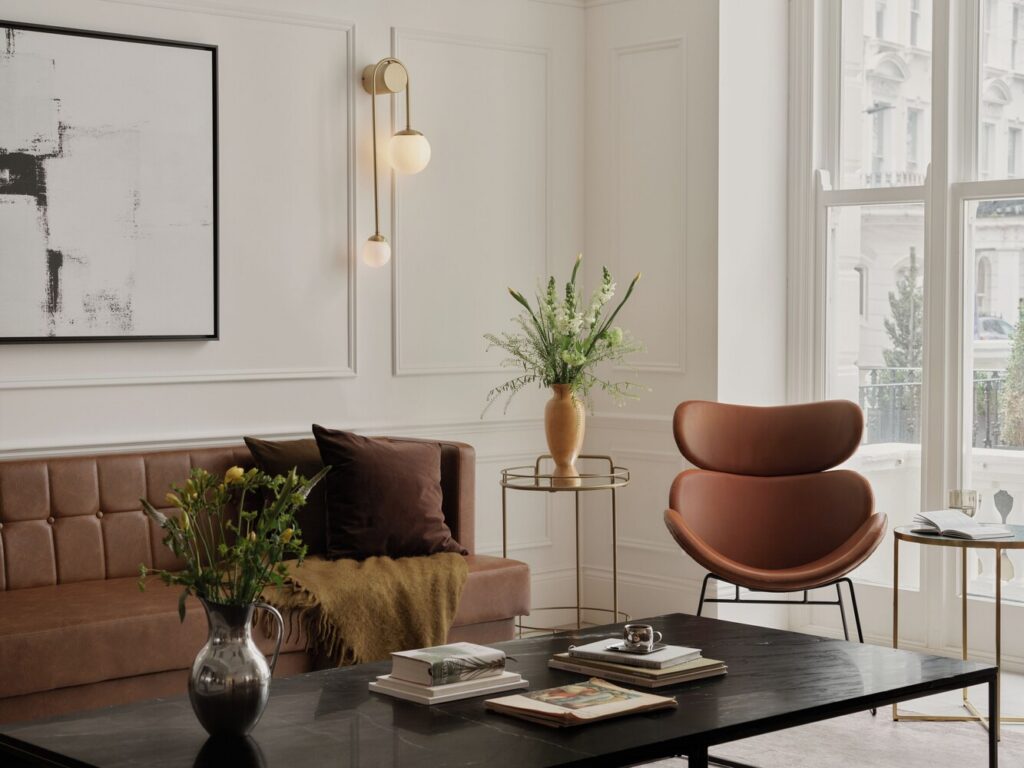
Bob W London Hyde Park
23 Leinster Gardens
$148 a night, mid
Aparthotel studios with real kitchens in a white stucco Bayswater terrace, five minutes from Hyde Park and the Central line. Cooking breakfast saves about $20 a day per person in London. The caveat is that nobody staffs a desk overnight, so arrivals are all keycodes.
Kensington
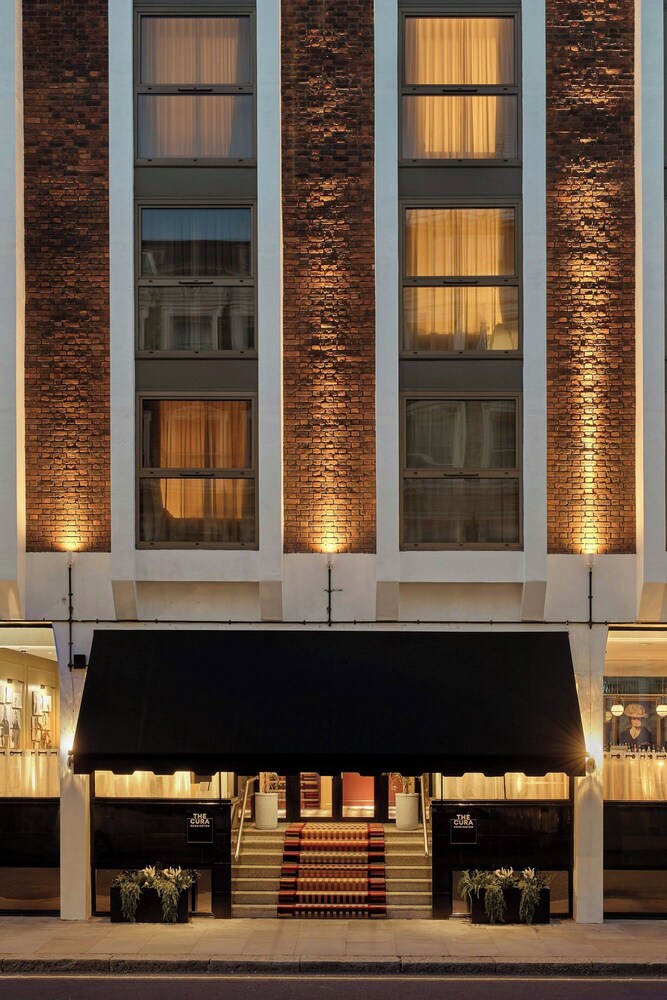
The Cura Hotel Kensington
33-37 Hogarth Road
$173 a night, mid
The base for the museum quarter. The V&A, the Natural History Museum and the Science Museum are a fifteen minute walk, all free and all indoors when it rains. Recently rebranded, so the rate lags the refurbishment. Rooms are London-small, which is to say small.
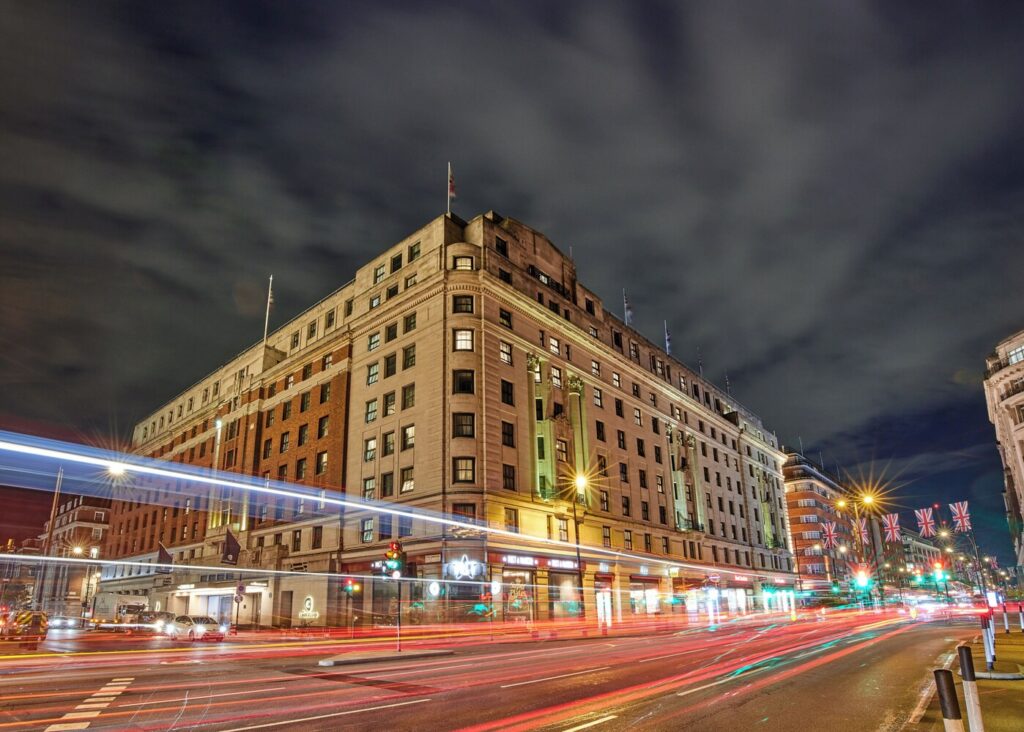
Marble Arch
The Cumberland, London
Great Cumberland Place 11
$179 a night, mid
2,151 reviews make this the most-tested bed on the page. Marble Arch puts Hyde Park, Oxford Street and the Central line at the door, so you can reach the City or the West End without changing trains. The trade is noise, because this is a busy corner of a busy road.
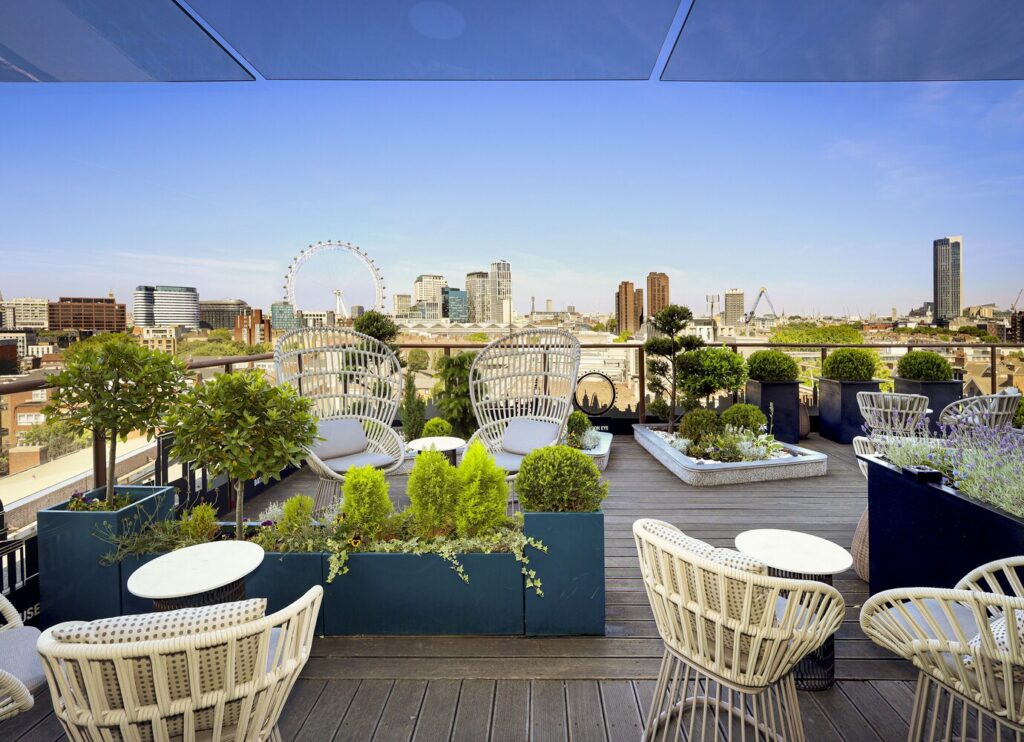
Waterloo / South Bank
H10 London Waterloo
$190 a night, mid
A rooftop terrace facing the London Eye, and the South Bank walk from the door to Borough Market is the best free hour in the city. Waterloo also runs trains to Hampton Court and buses everywhere. It sits on a wide road, so ask for a room off the front.
Shoreditch
nhow London
Macclesfield Road 2
$192 a night, mid
9.4 from 1,011 reviews, the strongest mid-range score in London, and Shoreditch plans your evenings without you doing anything. Liverpool Street and the Elizabeth line are a ten minute walk for Heathrow. Weekend nights out here are loud until very late.
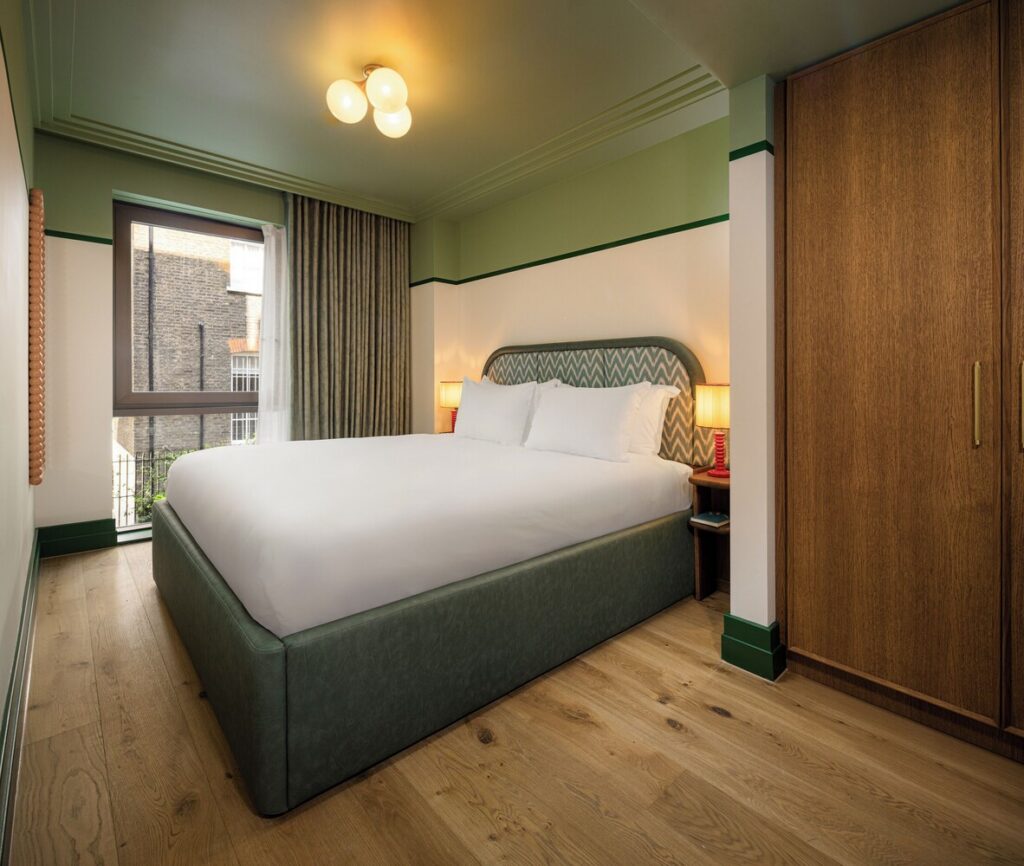
Victoria
The July London Victoria
Vauxhall Bridge Road 282
$237 a night, upper
9.8 from 677 reviews and the cheapest of the top-rated set. Apartment-style rooms beside Victoria station, which is the Gatwick Express, the coach station and the walk to Westminster. Victoria itself has no evening life to speak of, so plan to travel for dinner.
Tower Hill
Cheval Three Quays at the Tower of London
40 Lower Thames Street
$393 a night, upper
Full apartments looking straight at Tower Bridge, 9.8 from 1,120 reviews. For four people sharing, this undercuts two central hotel rooms and adds a kitchen and a washing machine. Tower Hill empties after six, so evenings mean a river bus or a Tube ride out.
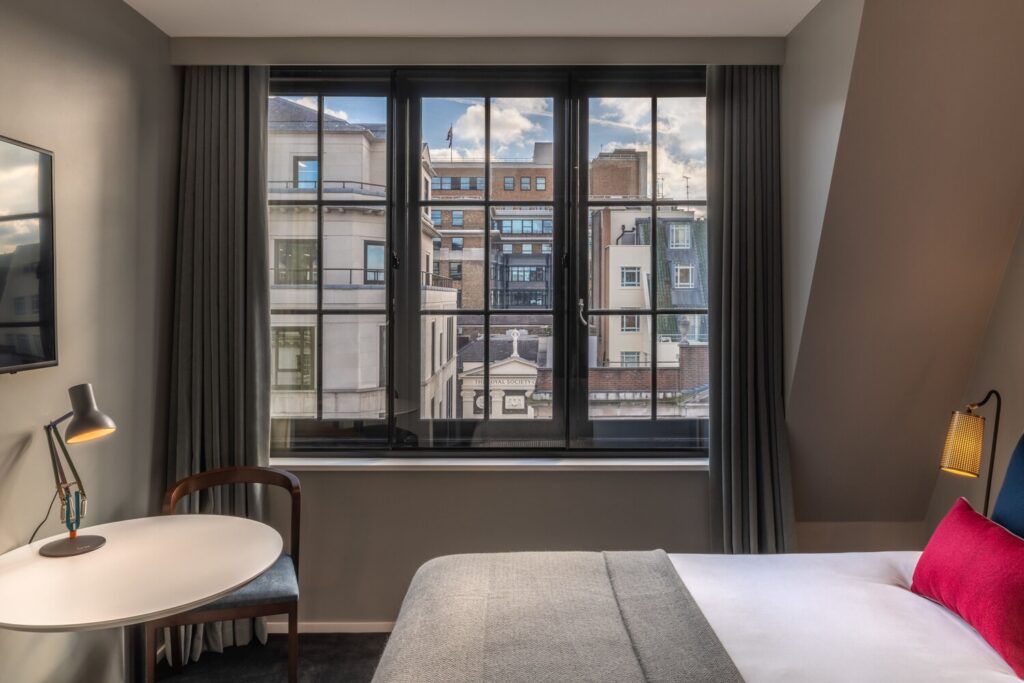
Covent Garden
The Resident Covent Garden
51 Bedford Street
$437 a night, luxury
Every West End stage is inside a ten minute walk, so no cab home and no last Tube panic. Each room has a mini-kitchen, which blunts Covent Garden restaurant prices. You pay a heavy premium for those postcode minutes.
Where should you sleep?
Which area suits you comes down to what you’re paying for a room and how late you’re out.
Every place we track, by area
Covent Garden
- The Resident Covent Gardenluxury
Knightsbridge
- The Egerton House Hotelupper-end
Liverpool Street / City
- Pan Pacific Londonluxury
Tower Hill
- Cheval Three Quays at the Tower of Londonupper-end
Victoria
- The July London Victoriaupper-end
Shoreditch
- nhow Londonmid-priced
Bayswater / Hyde Park
- Bob W London Hyde Parkmid-priced
Kensington
- The Cura Hotel Kensingtonmid-priced
Marble Arch
- The Cumberland, Londonmid-priced
Waterloo / South Bank
- H10 London Waterloomid-priced
What to do
Few paid things in London earn their price. The Tower of London guided tour at $120 gets you to the Crown Jewels before the queue hits ninety minutes. The Eye is $39 and belongs on day one, for the geography rather than the view. Then the river cruise, the cheapest sightseeing going, and the tea bus for a wet afternoon.
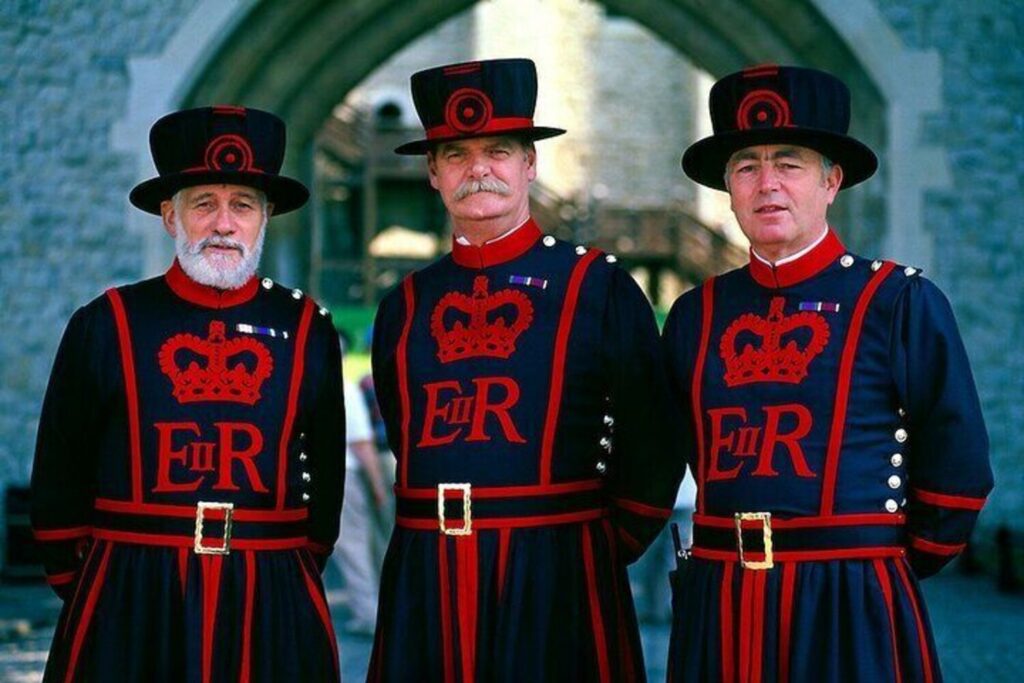
Easy Access Tower of London: Crown Jewels, Torture and Executions
$120 for three hours, rated 9.6. The Crown Jewels queue is twenty minutes at opening and ninety by eleven, so the early entry is the product. A guide also sorts the invented stories from the documented ones, which the Tower itself doesn’t always bother to do.
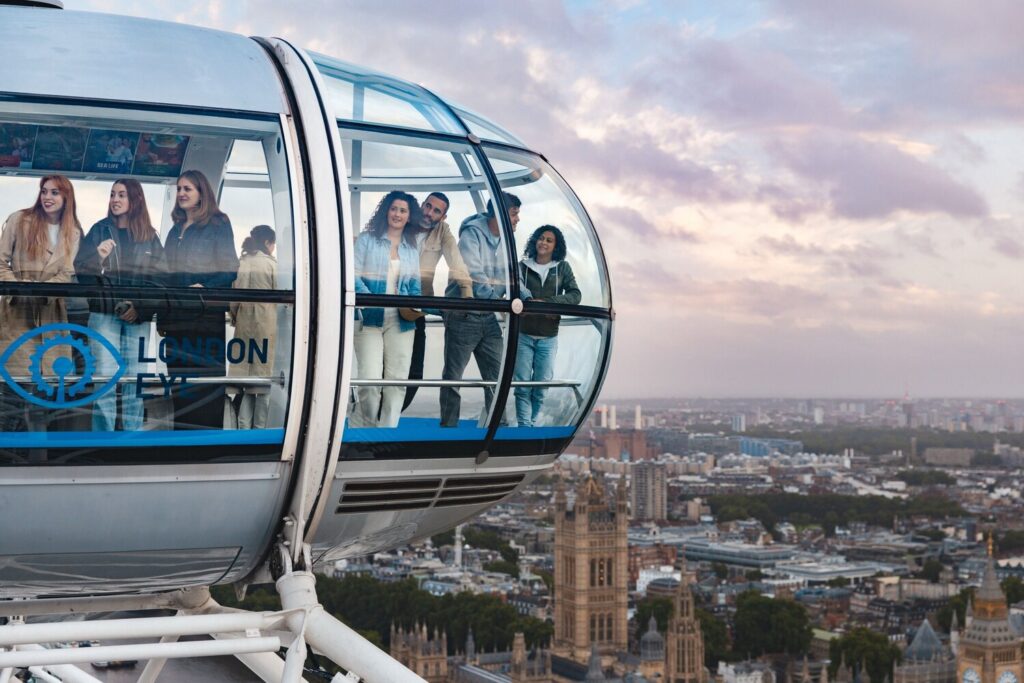
London Eye Entry Ticket
$39 and thirty minutes, from 2,674 reviews. Buy this for day one rather than day four. The wheel is the fastest way to see how the neighbourhoods sit against the river, and that is the trick to planning London. Skip the sunset slot, because the view is identical and the queue doubles.
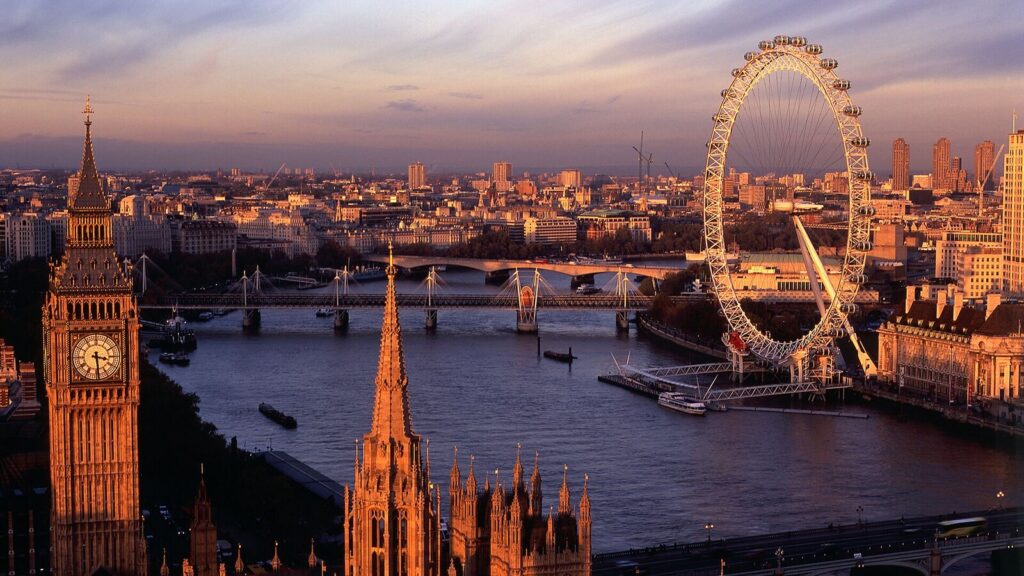
Fast Track London Eye Entry Ticket
$59, which is $20 over standard entry. On a wet Saturday in April that $20 buys back roughly an hour of standing outside in it. On a Tuesday in November it buys nothing at all, so check the day before you pay the premium.
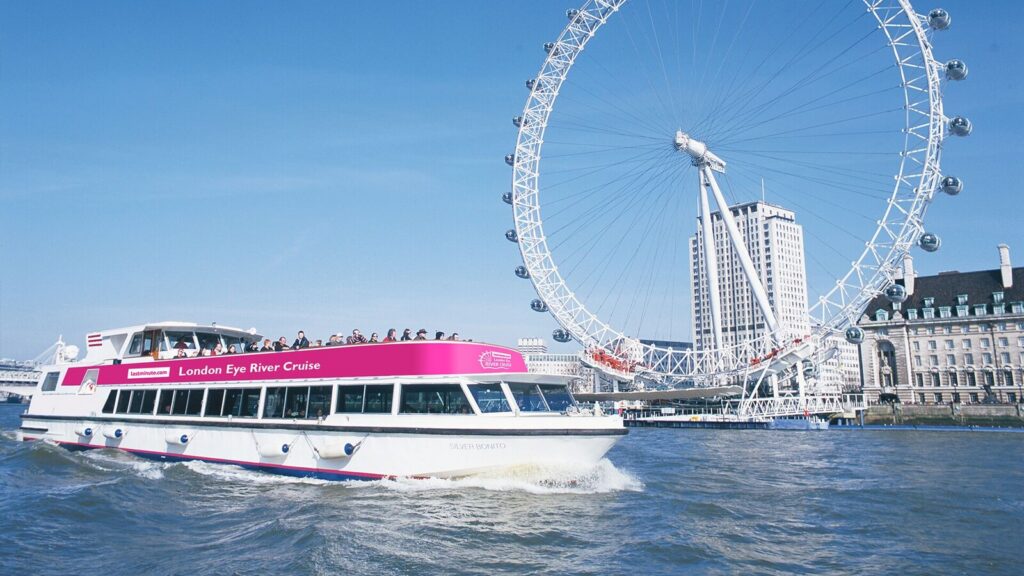
London Eye River Cruise Tickets
$21 for 45 minutes on the Thames and the cheapest sightseeing in London. Treat it as transport with a view. It links the South Bank to the Tower and Greenwich, and the commentary explains the skyline better than any walking route can from street level.
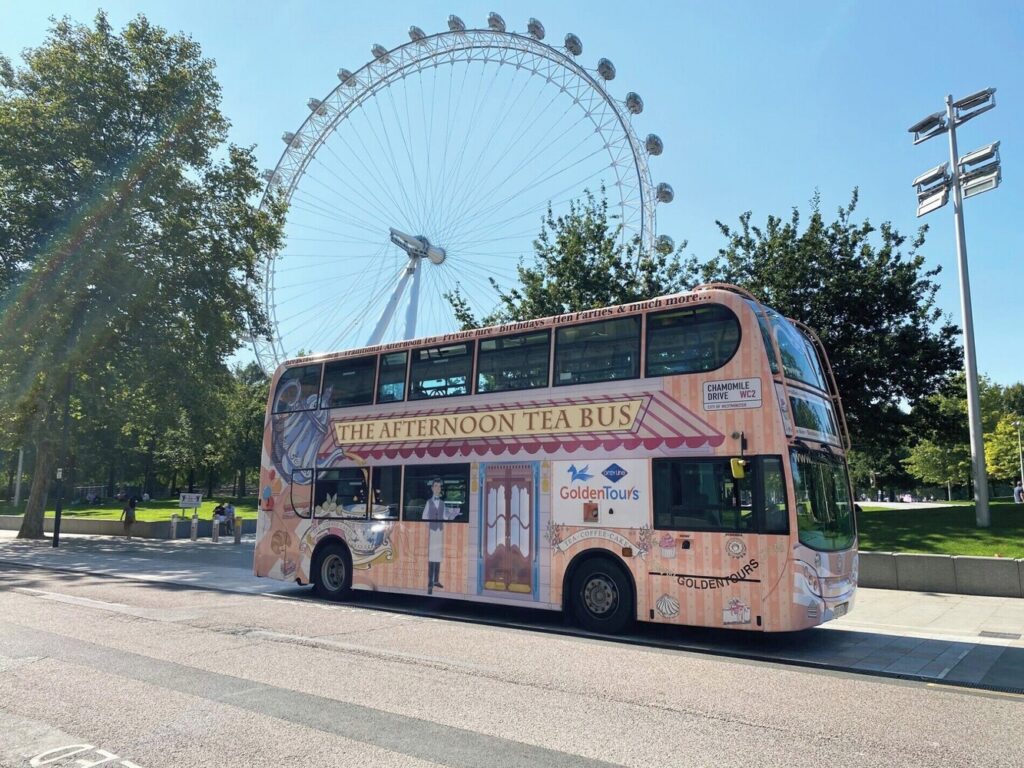
Afternoon Tea Bus with Panoramic Tour of London
$63 for tea and a sightseeing loop at once, against $80 and up for tea alone in a hotel drawing room. Ninety minutes, all of it under a roof, which is what you want on a wet afternoon. The scones are fine rather than remarkable.
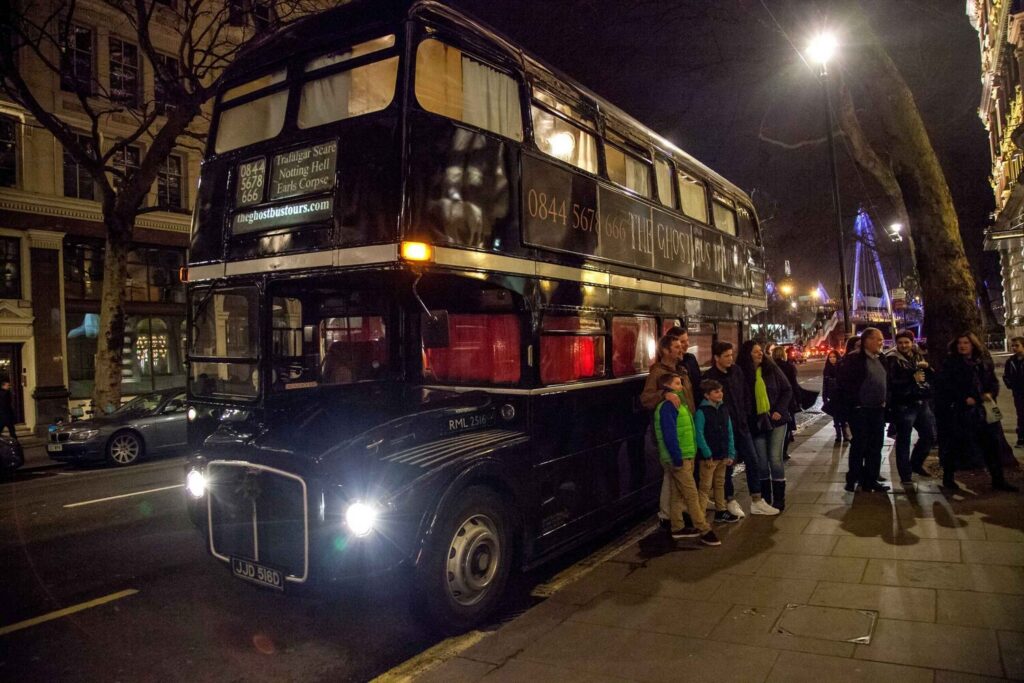
London: Comedy Horror Ghost Tour on a Bus
$38, one hour, 891 reviews for an actor-led ghost bus that knows how silly it is. Useful on a dark wet evening in November when a walking tour would be miserable and the museums have already closed at six. Not remotely frightening for older children.
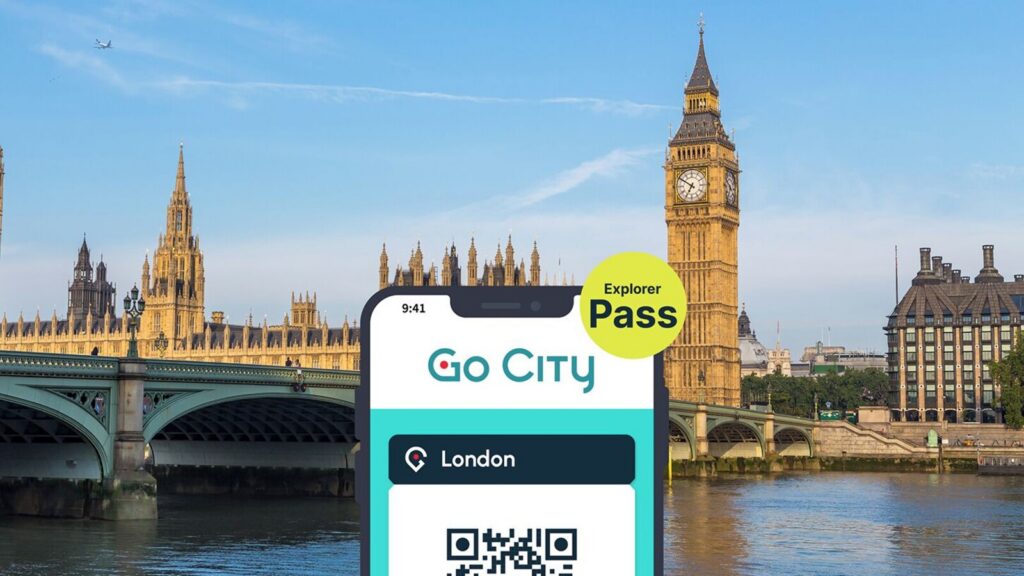
London Explorer Pass
$87 and it breaks even at roughly three paid attractions. Given that the British Museum, both Tates, the National Gallery and the South Kensington three are all free, most neighbourhood-first itineraries never hit three paid sights in a day. Do the maths before you buy.
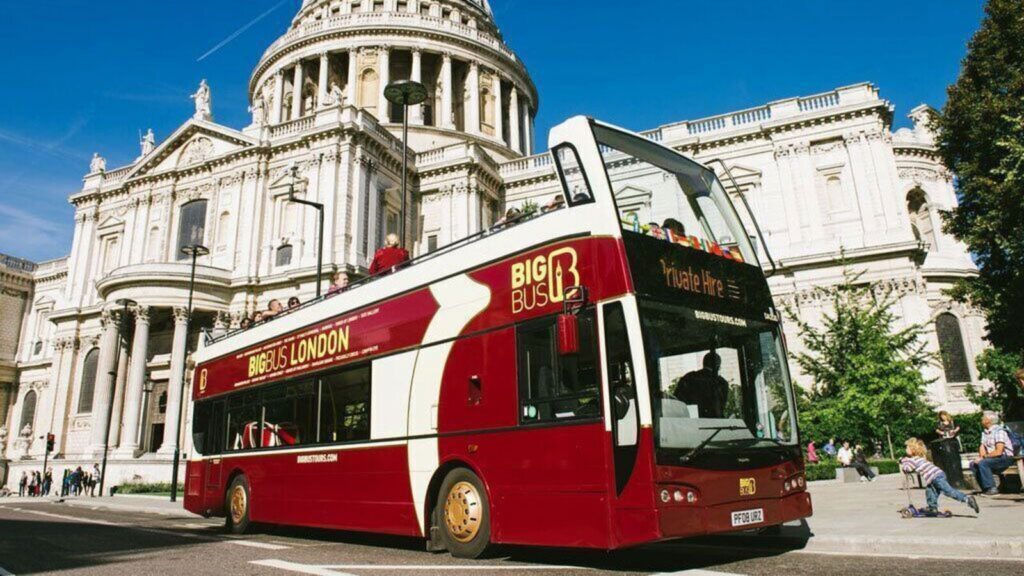
London Hop-On Hop-Off Bus Tour with Thames River Cruise
$39 including the river cruise, which alone sells for $21. An 8.0 from a lot of reviews, and that’s about right. It works, it’s just slow in traffic. Worth one first afternoon to fix the geography in your head, and pointless after that, because your contactless fare caps anyway.
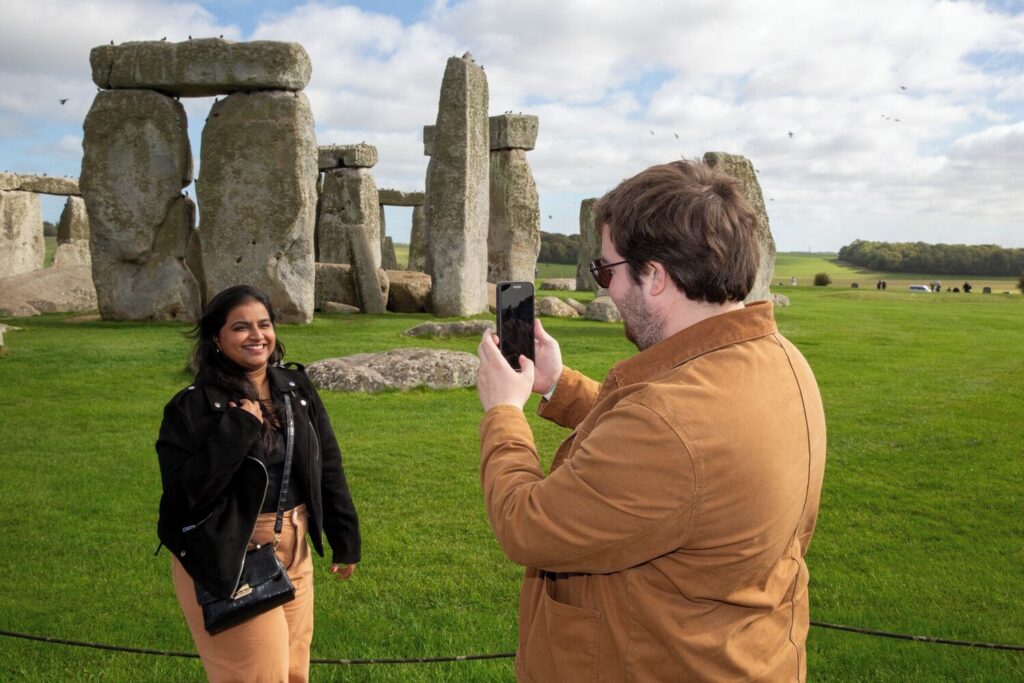
Roman Bath & Stonehenge Full-Day Tour
$103, eleven hours, two stops rather than three, which buys real time in Bath instead of a photo stop. Rated 9.2 from 388 reviews. The Georgian crescents and the Roman baths are both a short walk from the coach drop, so a wet day here still works.
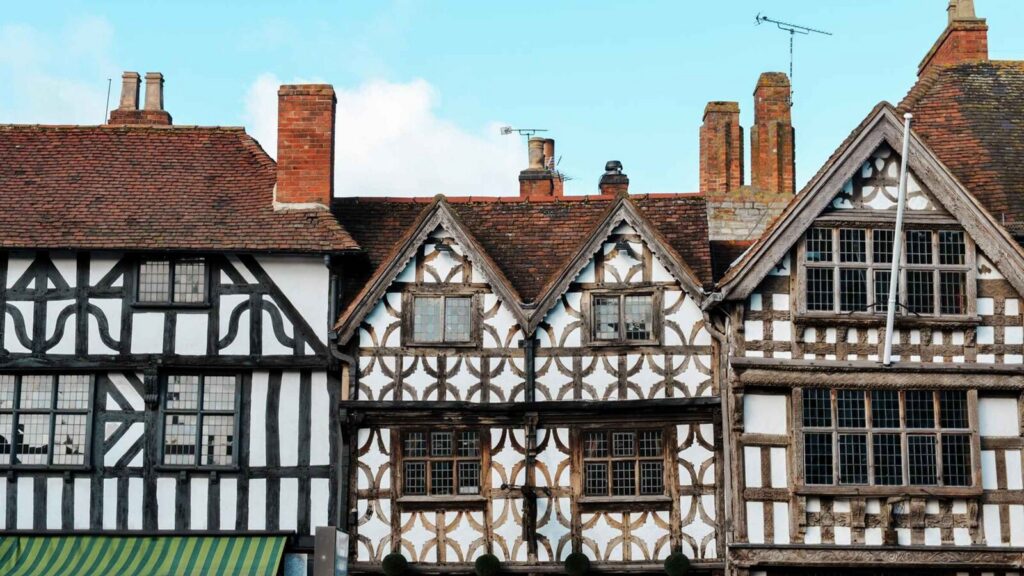
From London: Cotswolds and Oxford Guided Day Trip
$107, rated 9.2. The Cotswold villages have no useful train, so the minibus is what you’re paying for rather than the guiding. Ten and a half hours door to door, so one whole London neighbourhood comes off the plan. Don’t put it next to your theatre night.
Eat here
London has no single native cuisine worth crossing town for. What it has is roughly two hundred nationalities cooking for their own neighbours, and the map is the meal. Work out which train to take and the rest follows. Turkish and Kurdish charcoal grills up the Piccadilly line to Harringay, Punjabi food out west to Southall, Sri Lankan and South Indian south to Tooting, Nigerian in Peckham, Korean in New Malden, Vietnamese in Deptford and along Kingsland Road. The centre of town is where this food goes to get expensive and worse.
Dishes to know
- Ocakbaşı grill (adana kebab, lahmacun, pide)
- Lamb and chicken grilled over an open charcoal pit in the middle of the dining room, with flatbread and salad and pickles on the side.
- Turkish and Kurdish, and the real ones are on Green Lanes in Harringay and around Dalston. The giveaway is a visible coal pit, and bread and salad arriving free before you ordered anything.
- Punjabi karahi, tandoori grill and chaat
- Meat cooked hard in a wok-shaped karahi, clay-oven grilled meats, and sweet-sour fried snacks.
- Southall and parts of Tooting and Wembley. Many are family-run and unlicensed or bring-your-own, which signals a kitchen cooking for the community rather than for a night out.
- Kothu roti and hoppers
- Flatbread chopped on a griddle with egg, meat and curry, and bowl-shaped fermented rice-flour pancakes eaten with sambol.
- Sri Lankan and Tamil, concentrated in Tooting, East Ham and Harrow. Kothu is dinner food, and you can hear it being made before you see it.
- Jollof rice, suya and pepper soup
- Smoky tomato-based rice, spiced skewered beef, and a thin fiery broth.
- West African, mostly Nigerian and Ghanaian, centred on Peckham’s Rye Lane and Old Kent Road. Suya is evening street food, and jollof is judged fiercely on the smoky bottom layer.
- Salt beef beigel
- Boiled and cured beef brisket, hand-carved into a boiled-then-baked beigel with mustard and pickled cucumber.
- The Jewish East End survives mostly as this, at the Brick Lane end of the strip, and the round-the-clock trade is real rather than a gimmick.
- Pie and mash with liquor (and jellied eels)
- Minced beef pie, mashed potato, and a green parsley sauce called liquor. Eels come hot or cold in their own set jelly.
- Working-class East and South London food that is disappearing. A handful of family shops remain, mostly outer-East London and Essex-side, open at lunchtime only.
- The caff fry-up
- Eggs, bacon, sausage, beans, toast and a mug of tea, cooked to order on a flat-top.
- The greasy-spoon café rather than a hotel buffet or a brunch restaurant. Formica tables, a laminated price list on the wall, and it stops around midday.
- Sunday roast
- Roasted joint of meat with potatoes, gravy, vegetables and a Yorkshire pudding.
- A pub lunch served only on Sundays, roughly noon to late afternoon, and good ones sell out by mid-afternoon. Book, and don’t expect it any other day.
- Cantonese dim sum and roast meats
- Steamed and fried small plates at lunchtime, plus roast duck, char siu and crisp pork belly over rice.
- Dim sum is a daytime meal, late morning to mid-afternoon. Chinatown does it, but so do bigger and cheaper rooms in Bayswater and out at Colindale and the north-west suburbs.
- Jerk chicken and Jamaican patties
- Chicken marinated in scotch bonnet and allspice, smoked over a drum, plus short-crust turnovers stuffed with spiced beef.
- Caribbean Brixton and Harlesden. Jerk is often weekend and street-corner cooking, and a drum smoker on the pavement is a better sign than a menu.
Where to eat
- Green Lanes, Harringay
- A near-continuous mile of Turkish and Kurdish charcoal grills, with bakeries and supermarkets between them, still busy at midnight and mostly with Turkish-speaking families rather than visitors.
- Tooting
- South Indian, Sri Lankan and Pakistani cooking layered along the high road and inside two covered market arcades. It’s where south Londoners eat cheaply on a weeknight.
- Southall
- The densest Punjabi food in Britain, with sweet shops, tandoori grills, vegetarian halls and grocers. The best reason in London to take a train out of zone 1.
- Rye Lane, Peckham
- Nigerian and Ghanaian butchers, fish shops and canteens under the railway, mixed with African grocers. Go for suya and jollof rather than the rooftop bars two streets over.
- New Malden
- Home to Europe’s largest Korean community, so fried chicken, hotpots, banchan-heavy set meals and Korean supermarkets in a very ordinary suburban high street.
What to walk past
The steakhouse-and-photo-menu belt around Leicester Square, Piccadilly Circus, Covent Garden’s piazza and Oxford Street. Chain steakhouses aimed at people who have just left a theatre, plus anywhere with pictures of the food outside or a tout at the door, which on Brick Lane means most of the curry strip. Check whether service is already added to the bill before you tip again, and treat a menu covering Italian, Indian and burgers as a kitchen with no point of view.
Markets
- Borough Market
- Closed Monday. Tuesday to Friday 10am-5pm, Saturday 9am-5pm, Sunday 10am-4pm.
- Real produce and proper cheese under a Victorian rail viaduct, but it’s the most touristed food market in Britain. Come on a weekday morning, buy ingredients, and don’t queue an hour for a sandwich.
- Ridley Road Market, Dalston
- Monday to Saturday, 9.30am-4pm.
- A working African, Caribbean and Turkish street market with over 150 stalls. Yams, plantain, scotch bonnets, whole fish and halal butchers, priced for the people who live there.
- Brixton Market (Electric Avenue, Brixton Village, Market Row)
- Daily, with the street market on Electric Avenue running through the day and the covered arcades open later in the evening.
- Caribbean and African grocers and fishmongers on the street outside, small kitchens in the covered arcades inside. The clearest example of an immigrant market that became a food destination without wholly stopping being a market.
- Broadway Market, Hackney
- Saturday 9am-5pm, Sunday 10am-4pm. The permanent shops on the street trade all week.
- A Victorian street market that is now a weekend food market. Good for eating your way along a single street on a Saturday morning, though prices reflect its neighbourhood.
When people eat
London eats early by European standards. Breakfast in a caff runs from about seven to eleven. Lunch is a fast hour around midday, mostly bought over a counter rather than sat down for. Dinner bookings cluster between half six and half eight, and many kitchens take their last order around half nine, so turning up at ten in most of the city means chicken shops, kebab shops and the round-the-clock beigel counter. The exceptions are the immigrant high streets, Green Lanes and Edgware Road and Whitechapel, where kitchens run late. Pubs serve food much earlier than they serve drinks, and the Sunday roast is a lunch.
Eating cheaply
Learn the formats rather than the names. The greasy-spoon caff does a cooked breakfast. The supermarket meal deal, a sandwich and a snack and a drink for one fixed price, is what most office workers eat at lunch. A lunchtime thali or all-you-can-eat vegetarian buffet in Southall, Tooting or Wembley stays cheap, and a curry-house or Chinese pre-theatre set menu is a fraction of the same kitchen’s evening prices. Late at night it’s the chicken shop, the kebab shop or the Turkish bakery. Market stalls at lunch beat market stalls at brunch. Tap water is free and safe and you can ask for it anywhere without ordering anything else.
If you don't eat everything
- Vegetarian
- Among the easiest cities in the world for it, and the best value is Indian. Gujarati and South Indian kitchens in Southall, Tooting, Wembley and East Ham are entirely or largely vegetarian and treat it as the default rather than a substitution. Elsewhere, menus are legally required to declare the 14 major allergens, and asking whether something is suitable for vegetarians is unremarkable.
- Gluten free
- Well handled by UK law. Allergen information for the 14 regulated allergens, cereals containing gluten included, must be available for every dish, and chains label it clearly. Naturally safe ground is South Indian (dosa, idli, uttapam are rice and lentil), most Thai and Vietnamese rice-noodle dishes, and grilled meats. Say ‘coeliac’ rather than ‘gluten-free’ if it’s medical. It’s understood, and it changes how staff answer.
- Halal and other
- Very easy across huge parts of the city. Whitechapel, Green Lanes, Edgware Road, Southall, Tooting, Wembley, East Ham and Ilford are full of halal butchers and restaurants, and many chicken shops and some chains are halal-certified. Kosher is a much smaller and more concentrated geography, Golders Green, Hendon and Stamford Hill, and most kosher places close Friday afternoon through Saturday.
Free and cheap
Things worth your morning that cost nothing, or close to it. Opening hours change, so check before you walk up a hill for one.
City / Fenchurch Street
Sky Garden
Free slots release every Monday morning on skygarden.london for dates up to three weeks out. Book a weekday entry between 10am and 6pm. The terraces close at 6pm daily.
Barbican / City
Barbican Conservatory
Free, but you book a timed slot online in advance and they go fast once released. It opens roughly Friday evenings and Saturday to Sunday afternoons through September 2026.
City, near St Paul's
Postman's Park
Free and open through daylight hours, with the entrance off King Edward Street. Come around lunchtime when City workers eat here and direct light makes the plaques easiest to read.
Smithfield / Barbican
The Charterhouse
The museum and chapel are free with no booking, Tuesday to Saturday 10:30am to 4:30pm. The 90 minute guided tour into the private rooms and courtyards runs twice a day and costs roughly GBP 15 to 25. Book that one ahead on thecharterhouse.org.
Trafalgar Square
National Gallery Friday Lates
Free, open until 9pm every Friday year round, and the permanent collection needs no booking. Arrive after 6:30pm for the emptiest galleries.
Around the city
It's dark by four and often wet. The museums that anchor every neighbourhood in this plan are free and warm indoors, so cold weather costs you far less here than in most cities.
Buses are GBP 1.75 flat with free changes inside an hour.
Sir John Soane's Museum, the Wallace Collection and the National Maritime Museum in Greenwich are free too.
If you're planning by district and letting the free collections carry the days, buy the two or three tickets you want instead.
Permanent collections at the British Museum, National Gallery, Tate Modern, V&A, Natural History and Science Museums are free with no ticket
Free viewpoints with no booking
Primrose Hill, Parliament Hill on Hampstead Heath, Greenwich Park up to the Royal Observatory, the Tate Modern Blavatnik top floor, One New Change roof for St Paul’s at eye level
Changing of the Guard at Buckingham Palace is free, most days around 10:45am
Sky Garden free slots release every Monday morning around 10am for dates up to three weeks out. Weekend and late-afternoon slots go within minutes
National Gallery is open 10am to 6pm daily and until 9pm on Fridays, Friday Lates programme runs that evening (nationalgallery.org.uk, checked 2026-09-17)
Sky Garden free slots still release Monday mornings for the three weeks ahead, bank holiday Mondays push it to the next working day, no official release time (skygarden.london FAQ / thingstodoinlondon.com, checked 2026-09-17)
What most visitors miss
London’s less-visited spots start with Sky Garden, a free glasshouse viewpoint whose slots release every Monday. The Barbican Conservatory opens a few hours a week above a concrete estate. Postman’s Park near St Paul’s holds plaques to ordinary people who died saving others. Maltby Street Market sits five minutes past Borough, and the National Gallery goes quiet on Friday evenings.
viewpointCity / Fenchurch Street
Sky Garden
Fenchurch Street 20
A free 360-degree glasshouse viewpoint at the top of 20 Fenchurch Street, with the Shard, Tower Bridge and St Paul’s laid out below. Tickets are timed and released weekly, so set a reminder for Monday morning and book the slot you want.
Tip Free slots for dates up to three weeks out release every Monday morning on skygarden.london. Book a weekday 10am to 6pm entry, and note the terraces close at 6pm daily.
museumBarbican / City
Barbican Conservatory
Silk Street
London’s second-largest conservatory hides on a brutalist concrete rooftop above a housing estate, with more than 1,500 tropical plant species and terrapins in the pond. It opens only a few hours a week, so book the moment slots go up.
Tip Free, but book a timed slot online in advance. Open roughly Friday evenings and Saturday to Sunday afternoons through September 2026, and slots claim fast once released.
ritualCity, near St Paul's
Postman's Park
King Edward Street
A pocket garden two minutes from the St Paul’s crowds holds the Watts Memorial, a covered wall of 54 Victorian ceramic plaques for ordinary Londoners who died saving strangers. The gate is off King Edward Street, tucked behind the office blocks. Read a few of the plaques.
Tip Free, always open in daylight hours. Best around lunchtime, when City workers eat here and direct light makes the plaques easiest to read. Entrance off King Edward Street.
marketBermondsey
Maltby Street Market
Ropewalk
A narrow railway-arch food market five minutes past Borough Market’s crowds, run by small independent traders rather than stalls aimed at tourists, so the queues are shorter and the prices lower even though the food quality matches or beats its famous neighbour.
Tip Open Saturday 10am to 5pm and Sunday 11am to 4pm, with the permanent grocers and restaurants along Ropewalk open Wednesday to Sunday. Walk it from Bermondsey Street after Borough Market rather than instead of it.
museumSmithfield / Barbican
The Charterhouse
Charterhouse Square
A working medieval monastery turned Tudor mansion turned almshouse sits behind a gatehouse next to the Barbican. It’s still a functioning almshouse with residents living in it, and the one building covers the plague, the Reformation and the Blitz.
Tip The museum and chapel are free and need no booking, Tuesday to Saturday, roughly half ten until half four. The guided tour into the private rooms and courtyards runs twice a day, takes ninety minutes and costs GBP 15 to 25, so book ahead on thecharterhouse.org.
foodShoreditch / Brick Lane
Brick Lane Beigel Bake
159 Brick Lane
A 24 hour bagel counter that has been baking on the same spot since before Brick Lane became fashionable. A salt beef bagel runs under GBP 6, sold to night bus drivers and clubbers at 3am as readily as to lunchtime office workers.
Tip Open 24 hours every day, cash and card both fine, and a salt beef with mustard and gherkin bagel runs about GBP 6 to 7. Go after 11pm to see the shop the way locals use it.
timingTrafalgar Square
National Gallery Friday Lates
Trafalgar Square
The same free permanent collection that has a scrum outside on a Saturday morning empties out after 6pm on Fridays. The Gallery stays open until 9pm, the day-trip crowds have gone, and the big rooms are often close to quiet.
Tip Free entry, open until 9pm every Friday year round. Arrive after 6:30pm for the emptiest galleries, and no booking is needed for the permanent collection.
Packing list
Save a month and a few things to do and this list grows to match.
- Type G plug adapter
- Shoes with grip
Common questions
Do you need an Oyster card. No. Tap the same contactless card or phone on every reader and the fare caps on its own, at about GBP 8.90 a day in the middle of town. Buses are a flat GBP 1.75, night buses included, with free changes inside the hour.
What is the cheapest month to visit London?
January, at a median of $99 a night, less than a third of what July asks. February follows close behind. It’s dark by four and often wet. But the museums that anchor every neighbourhood in this plan are free and indoors and warm, so cold weather costs you less here than almost anywhere.
How many days do you need in London?
Five to six full days, one neighbourhood a day. That covers the South Bank, Bloomsbury, South Kensington, the City and Westminster without rushing, plus a theatre night. Add a seventh and eighth day for Shoreditch and Greenwich, and a ninth if you want Bath, Stonehenge or the Cotswolds, each of which is an eleven hour coach day.
Do I need an Oyster card in London?
No. Tap a contactless card or a phone straight on the reader, and use the same one all trip so the fares add up together. They cap automatically at the Oyster rate, roughly GBP 8.90 a day across Zones 1 and 2 and about GBP 44.70 for a whole week.
Buses are a flat GBP 1.75 with free changes inside the hour, whatever distance you travel, and the night buses cost the same. Buying an Oyster now only adds a deposit you’ll have to queue up to get back at the end.
How do I get from Heathrow or Gatwick into central London?
From Heathrow take the Elizabeth line to Paddington or Tottenham Court Road on contactless, about 30 minutes, instead of the Piccadilly line, which costs the same and takes about twice as long.
From Gatwick it’s half an hour by train to Victoria or London Bridge. Stansted and Luton run 45 to 60 minutes and sit further out than the airline map suggests. Skip the taxi unless there are four of you with luggage.
Which London museums are free?
Permanent collections at the British Museum, the National Gallery, the National Portrait Gallery, Tate Modern, Tate Britain, the Victoria and Albert, the Natural History Museum and the Science Museum. Sir John Soane’s Museum, the Wallace Collection and the National Maritime Museum in Greenwich are free too. Special exhibitions are ticketed, usually GBP 15 to 25.
How do West End day seats work?
Most shows hold a small block back for the day of performance, sold at the box office when it opens, usually ten in the morning, for GBP 20 to 30.
The National Theatre releases GBP 10 Friday Rush seats online at one for the following week. Shakespeare’s Globe sells standing yard tickets for about GBP 5 to 10 in season. TKTS in Leicester Square discounts same-day seats without the queue.
What is the weather like in London in the popular months?
June and July run 18C to 24C (65F to 75F), with light until nearly ten, humid Tubes and a shower most weeks. September is a few degrees cooler and the best trade of the year.
April and October are cooler again, with rain on roughly half the days. Nothing here is extreme, and nothing here is reliable either. Carry a light rain jacket rather than an umbrella, because the wind turns umbrellas inside out on the bridges.
Is London safe and walkable for visitors?
Yes on both counts, with normal city caution. Each neighbourhood in this plan is walkable end to end in an afternoon, and the river links most of them.
Phone snatching from mopeds is the real risk in the West End and around Oxford Street, so keep your phone out of your hand at the kerb. Night buses run everywhere for GBP 1.75.
Is the London Explorer Pass worth buying?
At $87 it breaks even at about three paid attractions, which is a hard pace when the best museums in each neighbourhood cost nothing. If your list is the Tower, the Eye and one more, it pays. If you’re planning by district and letting the free collections carry the days, buy the two or three tickets you actually want instead.
What is the best rain plan in London?
South Kensington. The Victoria and Albert, the Natural History Museum and the Science Museum sit within four hundred metres and connect to the Tube by a pedestrian subway, so a whole wet day happens under cover for nothing.
Hold that day in reserve rather than spending it on the first sunny morning, and keep the $63 afternoon tea bus as a backup.