Lisbon
A March night in Lisbon costs $93 less than the same room in May
January beds in Lisbon run a median $81 a night. The same room in May is nearer $200, so go in March or April, when the terraces are open and the coach parties are not.
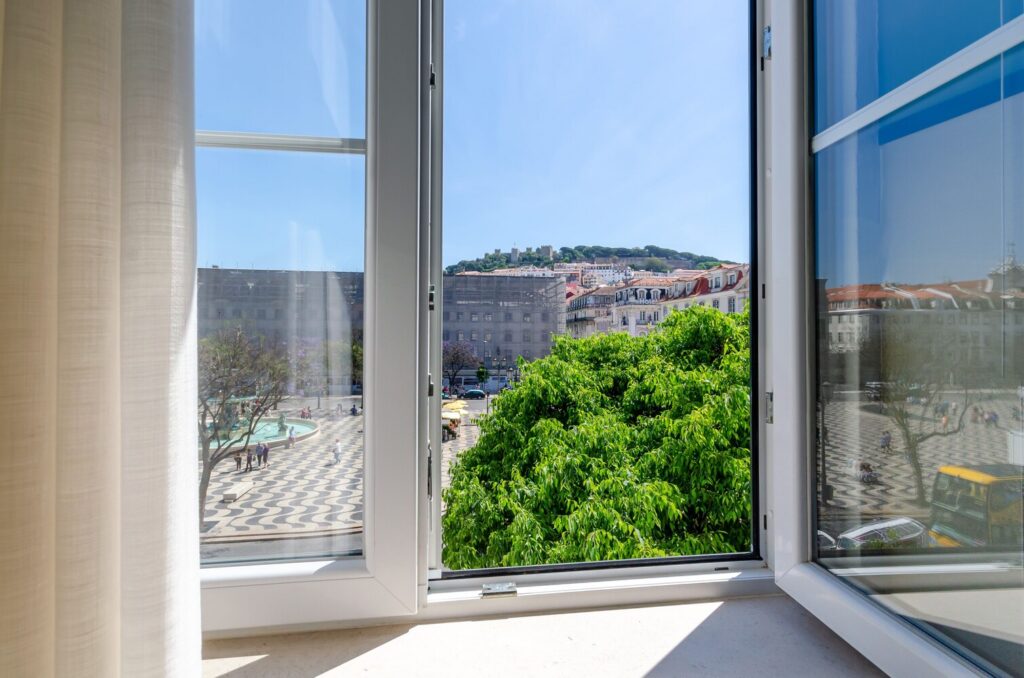
Sleep in Baixa, on the flat, and every night ends walking downhill instead of up. The Nicola Rossio Hotel, check prices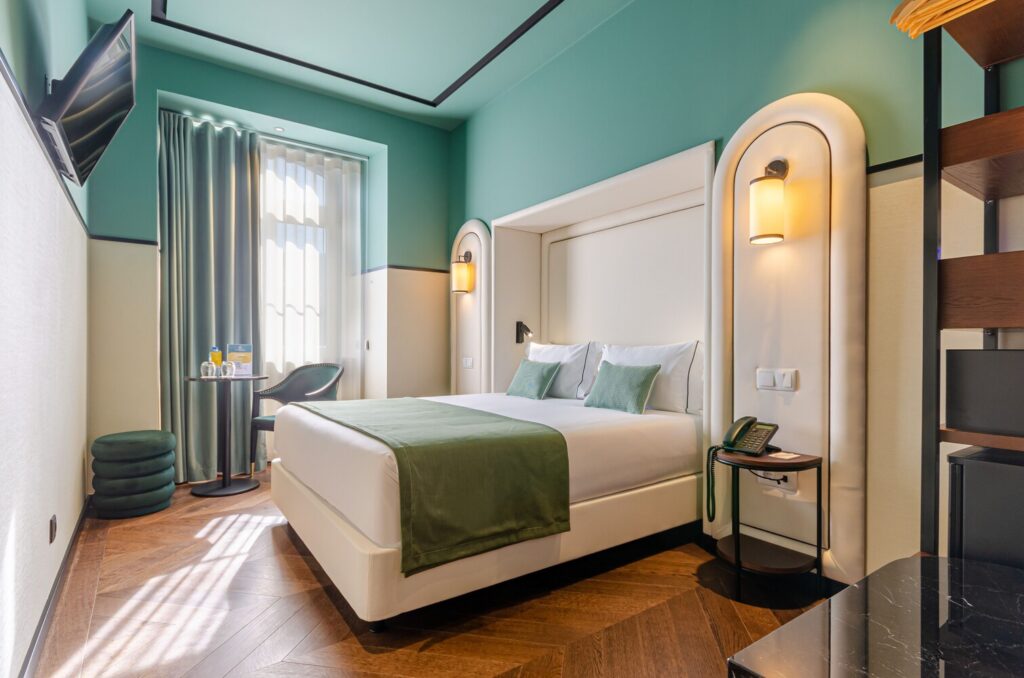 Nicola Rossio HotelBaixa$113 a night, midCheck prices sits on Rossio itself, and you want a room facing the hill, because the square is loud until about one in the morning.
Eat a bifana standing at the counter at As Bifanas do Afonso on Rua da Madalena, cash only, closed Sunday. Don’t build a day around the postcard funiculars either, because Gloria, Bica and Lavra have been shut since the September 2025 derailment and only the Graca line is running.
Quick facts
- Best time
- March and April, March for the better value
- Days needed
- 5 days, or 7 with a second day trip
- Stops
- 1 stop
- Cheapest month
- February · $109/night see costs
- Where to sleep
- Nicola Rossio Hotel, check pricesNicola Rossio HotelBaixa$113 a night, midCheck prices · $113 a night, mid
When to go and what it costs
The bed is most of a $195 mid-range day here, so the month you pick moves more money than anything else. January is cheapest at a median $81 a night, with December and February just behind. May is the expensive one, more than twice January. March is where the value sits, warm enough to sit outside and priced like winter.
March and April. March gives you 17C (63F), twelve hours of daylight and a median bed near $111, and no other month here pairs the weather and the price that well. April is warmer and costs about a quarter more.
May is the trap. It looks like the obvious month and the median jumps by half, to $204, in exchange for maybe two degrees.
October keeps the sea swimmable and the light long, but the rate doesn’t come down until the crowds thin after the first fortnight.
November is the wettest month of the year and one of the cheapest, a fair trade if you pack a coat. January is the cheapest reading in this whole set of cities, and it’s dry more days than it rains.
| Month | Avg nightly hotel |
|---|---|
| January | $81 $72 below the annual average |
| Cheapest night of the year, $81. Low bright sun, some rain, around 15C (59F), and Alfama more or less to yourself. | |
| February | $109 $44 below the annual average |
| Best value Showery weeks broken by clear ones, and Carnival some years. Still $109, and the terraces are open at lunch. | |
| March | $111 $42 below the annual average |
| Best value $111 buys 17C (63F) days and twelve hours of light. Citrus out, coach groups not yet. No month pairs weather and price better. | |
| April | $137 $16 below the annual average |
| Best value Green hills and warm miradouro evenings at 19C (66F), the odd sharp shower. $137, and the last month before May nearly doubles it. | |
| May | $204 $51 above the annual average |
| Peak A 49 percent jump on April, to $204. The jacarandas come out and so does everyone else. Lovely month, worst value on this table. | |
| June | $162 $9 above the annual average |
| Peak Santo Antonio on 12 and 13 June puts a sardine grill in every Alfama street, all night. At $162 it's cheaper than May, and hotter. | |
| July | $202 $49 above the annual average |
| Peak 28C (82F) and almost no rain. Beach weather, hotels full, and the tram 28 line at Martim Moniz runs an hour. Get to Cascais before ten. | |
| August | $189 $36 above the annual average |
| Peak 29C (84F). Locals leave, everyone else arrives, and at $189 the prices sit just under May's. | |
| September | $238 $85 above the annual average |
| Peak Warm sea, and the crowds ease after week one. The $238 reading sits twelve months out on thin inventory, so expect nearer $170. | |
| October | $194 $41 above the annual average |
| Best value The last warm month, 22C (72F), more rain, sea swimmable to mid-month. $194 early, then crowds and rates fall away. | |
| November | $109 $44 below the annual average |
| The rainiest month, around 17C (63F). Short days, empty trams, the city living its own life. $109 if you pack a coat. | |
| December | $103 $50 below the annual average |
| Mild at 15C (59F), with lights strung along Rua Augusta. $103 makes it the second-cheapest month, Christmas week excepted. Rain comes in bands. | |
Ouro Rossio Hotel
Check prices for Ouro Rossio HotelNicola Rossio Hotel
Check prices for Nicola Rossio HotelResidentas Aurea
Check prices for Residentas AureaBessaHotel Liberdade
Check prices for BessaHotel LiberdadeLisbon Wine Hotel
Check prices for Lisbon Wine HotelAlmaLusa Alfama
Check prices for AlmaLusa AlfamaDare Lisbon House
Check prices for Dare Lisbon HouseAvenida Palace
Check prices for Avenida PalaceHotel da Baixa
Check prices for Hotel da BaixaBairro Alto Hotel
Check prices for Bairro Alto Hotel
below average above average
What a day costs
About $85 a day puts you in a hostel or small guesthouse in Baixa, eating the chalkboard prato do dia and paying nothing for the viewpoints. Around $195 gets a 9.5-rated room in Baixa or Principe Real, two meals out and a booked Sintra day averaged in. Double that and you’re in a Chiado rooftop, taking taxis instead of hills.
Shoestring
$85/day
A hostel bed or small guesthouse in Baixa around $45, coffee and a nata standing at the counter for EUR 2.50, and the chalkboard prato do dia at lunch, which is soup and a main with bread for one fixed number and only exists between one and half two.
Everything else is the free half of Lisbon. Every miradouro, all of Alfama, the walk out to Belem.
5-day trip · $425
Mid-range Most readers
$195/day
A room rated 9.5 or better in Baixa or Principe Real for around $115. Lisbon is the one city here where the top-rated rooms stay affordable. Two meals out, a day ticket on the trams, and a sights line averaged over a booked Sintra day, the walking tour and one fado night.
5-day trip · $975
Comfort
$390/day
A rooftop room in Chiado around $230 and a tasting menu evening in Principe Real. Taxis instead of hills. That one line changes the shape of a day here more than the room does. Then the small-group Sintra day rather than a coach, and a port tasting that opens the good bottles.
5-day trip · $1,950
| Shoestring | Mid-range Most readers | Comfort | |
|---|---|---|---|
| Per day | $85/day | $195/day | $390/day |
| Includes | A hostel bed or small guesthouse in Baixa around $45, coffee and a nata standing at the counter for EUR 2.50, and the chalkboard prato do dia at lunch, which is soup and a main with bread for one fixed number and only exists between one and half two. Everything else is the free half of Lisbon. Every miradouro, all of Alfama, the walk out to Belem. | A room rated 9.5 or better in Baixa or Principe Real for around $115. Lisbon is the one city here where the top-rated rooms stay affordable. Two meals out, a day ticket on the trams, and a sights line averaged over a booked Sintra day, the walking tour and one fado night. | A rooftop room in Chiado around $230 and a tasting menu evening in Principe Real. Taxis instead of hills. That one line changes the shape of a day here more than the room does. Then the small-group Sintra day rather than a coach, and a port tasting that opens the good bottles. |
| 5-day trip | $425 | $975 | $1,950 |
What will your trip cost?
- Shoestring $85 a day · 3 nights $255
- Mid-range $195 a day · 3 nights $585
- Comfort $390 a day · 3 nights $1,170
Beds, food and local transport for one person. Flights and anything you book on the day are not in it.
How long do you have?
Give Lisbon five days. Three covers the city and Belem, but Sintra deserves a full day of its own and you want one slow day for the miradouros and eating. Seven lets you add Cascais on the cheap train and a run north to Obidos and Nazare. Porto only makes sense with two nights.
2 days · A weekend on the flat
- Day 1, metro in from the airport, the walking tour at $26, Alfama on the stairs, fado after ten.
- Day 2, walk up Calcada da Gloria to Sao Pedro de Alcantara, because the Gloria, Bica and Lavra funiculars have all been shut since September 2025. Then Chiado, Bairro Alto, and tram 15 to Belem for the monastery and the pasteis.
- Sleep in Baixa so nothing needs a hill at midnight.
4 days · The city and Sintra
- Days 1 and 2 as the weekend above, unhurried.
- Day 3, Sintra as a full day with the $51 all-tickets tour, finishing at Cabo da Roca.
- Day 4, electric bike over the seven hills in the morning, Principe Real for lunch, sunset cruise on the Tagus at $36.
5 days · The version most people should book
- Days 1 to 4 as above, with Belem given its own afternoon by boat rather than squeezed in.
- Day 5, the train to Cascais for EUR 2.30, lunch behind the marina, Boca do Inferno.
- Or swap Cascais for Time Out Market, LX Factory and the port tasting at Taylor’s.
7 days · Lisbon plus the coast north
- Days 1 to 5 as above.
- Day 6, Obidos, Nazare and Batalha in one nine-hour run for $65.
- Day 7, a slow day of miradouros, the Food and Wine tour standing in for dinner, and a last ginjinha at a counter near Rossio.
- Add two more nights only if you take the train to Porto rather than the twelve-hour tour.
Suggested itinerary
Day one, the metro in from the airport, a climb to Portas do Sol and grilled fish behind the cathedral. Day two, the cheap walking tour that explains the 1755 earthquake, then Alfama on the stairs and fado after ten. Day three, the hills by electric bike, then a sunset cruise. Then Sintra, Belem, Cascais.
Day 1 · In from the airport and up to Portas do Sol
The red line starts inside the terminal and puts you in the centre in about 20 minutes, so don’t queue for a taxi. Buy a Viva Viagem card, load it, and use the same card on the trams and the Santa Justa lift.
Drop the bags and walk east into Alfama. Climb the steps to Miradouro das Portas do Sol for the first look down at the river and whatever cruise ship is in. A kiosk beer up there costs about what a coffee does.
Grilled fish in a tasca behind the cathedral, and let the jet lag win early. Portuguese kitchens shut between lunch and about half seven, so don’t go looking for dinner at six.
Day 2 · The earthquake city on foot
Start with the Best of Lisbon Small-Group Walking Tour, three hours for $26 and the cheapest useful thing you’ll buy in Portugal. It explains 1755, and after that the shape of the city stops being a puzzle.
Baixa is a flat grid because it was rebuilt from rubble. Everything around it is medieval and goes straight up. Coffee and a pastel de nata afterwards, standing at the counter, where the price chalked on the wall is the counter price and a table costs more.
The Se in the afternoon, then climb through Alfama on the stairs rather than the tram, finishing at Miradouro da Senhora do Monte for the widest view in the city. Fado in a small Alfama room after ten, on a minimum spend rather than a ticket. Don’t talk during a song.
Day 3 · Hills by bike and a sunset on the water
The postcard funiculars are out. Gloria, Bica and Lavra have been shut since the Gloria derailment in September 2025, Carris is talking about a new system rather than a repair, and there’s no reopening date.
The Graca funicular still runs and the Santa Justa lift is covered by a day pass. Otherwise, walk. Calcada da Gloria up to Miradouro de Sao Pedro de Alcantara takes about eight minutes and delivers the same view the funicular used to.
Book Lisbon: Hills, Alfama and Mouraria Tour by Electric Bike, $41 for three hours, and let a motor do the gradients you’ve been avoiding. Lunch in Principe Real. Finish on the Lisbon Sunset Cruise with Wine and Snacks, two hours under the 25 de Abril bridge. Dinner at nine, because that’s when the city eats.
Day 4 · Sintra with the tickets already bought
Sintra eats a whole day, and Pena Palace runs timed entry slots that sell out days ahead in season.
Lisbon: Sintra, Regaleira, Pena & Cabo da Roca, All Tickets Included covers every entry for $51, which beats going by train once you’ve paid for Pena and Quinta da Regaleira separately.
If you want a smaller group and a longer track record, Small Group Tour to Sintra, Pena Palace, Cabo da Roca and Cascais costs twice that and has thousands of reviews behind it.
Both finish at Cabo da Roca, the western end of the continent. Both will leave you tired. Eat before you go, because the queue at Pena is a bad place to get hungry.
Day 5 · Belem by boat and back by tram 15
Go west on the water rather than standing in a tram queue. The Hop-On Hop-Off Yellow Boat Tour is $28 and the honest use of it is transport with a view.
In Belem the Jeronimos cloister is the ticket worth buying, and the Tower looks better from the lawn than from inside the line for it.
Two pasteis at Pasteis de Belem, taken on the sit-down side where the queue moves, dusted with cinnamon by you rather than by the baker. They’ve been making them there since 1837. Ride tram 15 back along the river in the late sun, then a ginjinha standing at a counter near Rossio, with the cherry in the glass.
Day 6 · Cascais and the Estoril line
The suburban train from Cais do Sodre runs along the water to Cascais in about 40 minutes for roughly EUR 2.30 each way, and the whole ride is sea on one side.
Swim between May and mid-October and eat at the fish places behind the marina. Walk out to Boca do Inferno to watch the swell come into the hole in the cliff.
Or stay in town. Take in LX Factory under the bridge, then Time Out Market for lunch if you want the famous half, or the working produce half of the same building if you want to pay less and hear Portuguese.
Finish at the Lisbon Port Wine Tasting at Taylor’s, an hour and $20, before you give suitcase space to a bottle you can’t yet judge.
Day 7 · North to Obidos and Nazare
Fatima, Batalha, Nazare & Obidos Small Group Tour is $65 for four stops across nine hours and the cheapest way out of the city.
Obidos is a walled village you can circle in an hour. Nazare is where the winter swell throws up the biggest waves anyone has surfed, and the clifftop lighthouse earns the drive even in a flat July.
The same route with a far longer review record costs about half as much again. You’re back by early evening, in time for a last sunset at Miradouro de Santa Catarina.
Days 8-9 · Porto only if you give it nights
There’s a twelve-hour tour that runs Porto, Nazare and Obidos in one day. Don’t. Porto is 300km each way, and the coach has to come back.
That tour is $115. Go for two nights or leave it alone. Porto is a different country in mood, and the train from Santa Apolonia gets you there in about three hours for less than the tour costs.
If you’d rather stay put, put the time into the Food & Wine Small-Group Walking Tour and a second, unguided run at the Sintra gardens, which are a different place with no coach party in them.
Build your days
Everything in the Lisbon research, grouped by the part of the day it suits.
Morning
- Best of Lisbon Small-Group Walking Tour
- Lisbon: Hills, Alfama and Mouraria Tour by Electric Bike
Afternoon
- Lisbon Port Wine Tasting at Taylor's
- Jeronimos Monastery Entrance Tickets with Host
Evening
- Food & Wine Small-Group Walking Tour
- Lisbon Sunset Cruise with Wine and Snacks
Whole day
- Lisbon Hop-On Hop-Off Packs
- Hop-On Hop-Off Yellow Boat Tour
Day trip
- Lisbon: Sintra, Regaleira, Pena & Cabo da Roca, All Tickets Included
- Small Group Tour to Sintra, Pena Palace, Cabo da Roca and Cascais
- Day Trip to Sintra & Cascais with Pena Palace Admission
- Sintra to Cascais: 2 Palaces, 7 Sites, 10-Hour Small Group Tour
- Fatima, Batalha, Nazare & Obidos Small Group Tour
- Lisbon: Fatima, Batalha, Nazare & Obidos Small Group Tour
- Obidos and Nazare Tour from Lisbon
- From Lisbon: Three Cities in One Day – Porto, Nazare & Obidos
Where to stay
Most people should stay in Baixa, because it’s flat and every day ends walking downhill to bed. Alfama gives you fado drifting up the alley and a steep, slippery walk home after it. Principe Real and Chiado put the eating close and the noise far, at the price of a climb. Skip rooms facing Rossio unless you sleep through anything.
Baixa
Ouro Rossio Hotel
Rua dos Sapateiros 213
$102 a night, budget
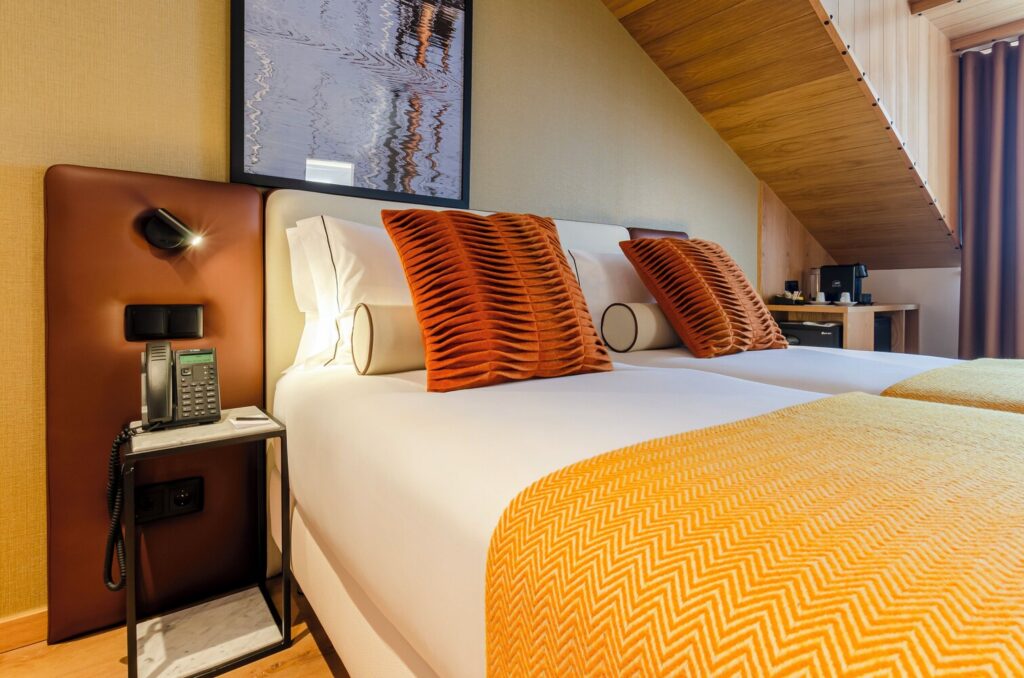
One street off Rossio on the flat, which matters more than it sounds in a city built on hills. You finish every day walking downhill to your bed. A 9.8 rating for $102 is the best raw number on this page. The catch is volume, because at 60 reviews it’s a new property with a thin record.
Baixa
Nicola Rossio Hotel
Rua 1º de Dezembro 12
$113 a night, mid
A thousand reviews at 9.6 for $113, on Rossio itself, three minutes from the metro line in from the airport. Ask for a room facing the hill rather than the square. Rossio is loud until roughly one in the morning most nights, and the rooms over the square get all of it.
Baixa
Residentas Aurea
Rua Áurea 72
$165 a night, mid
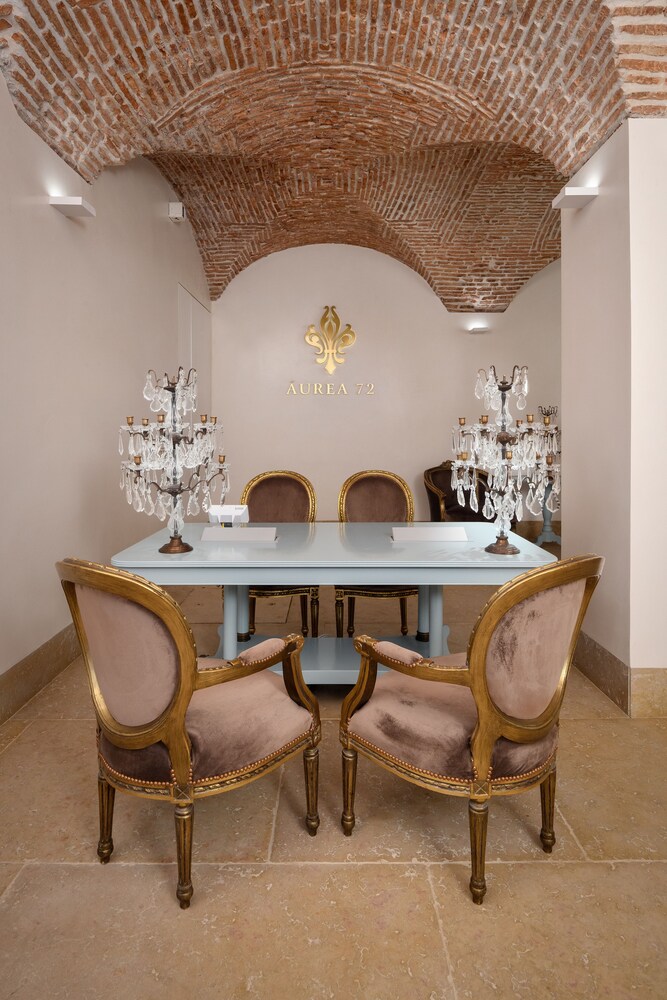
Apartment-style rooms on Rua Aurea, 9.8 from 909 reviews, with the Santa Justa lift and a tram 28 stop at the end of the block. Good for a stay of four nights or more because of the kitchen. It isn’t a full-service hotel, so expect no bar and limited reception hours.
Principe Real
BessaHotel Liberdade
Avenida da Liberdade 29
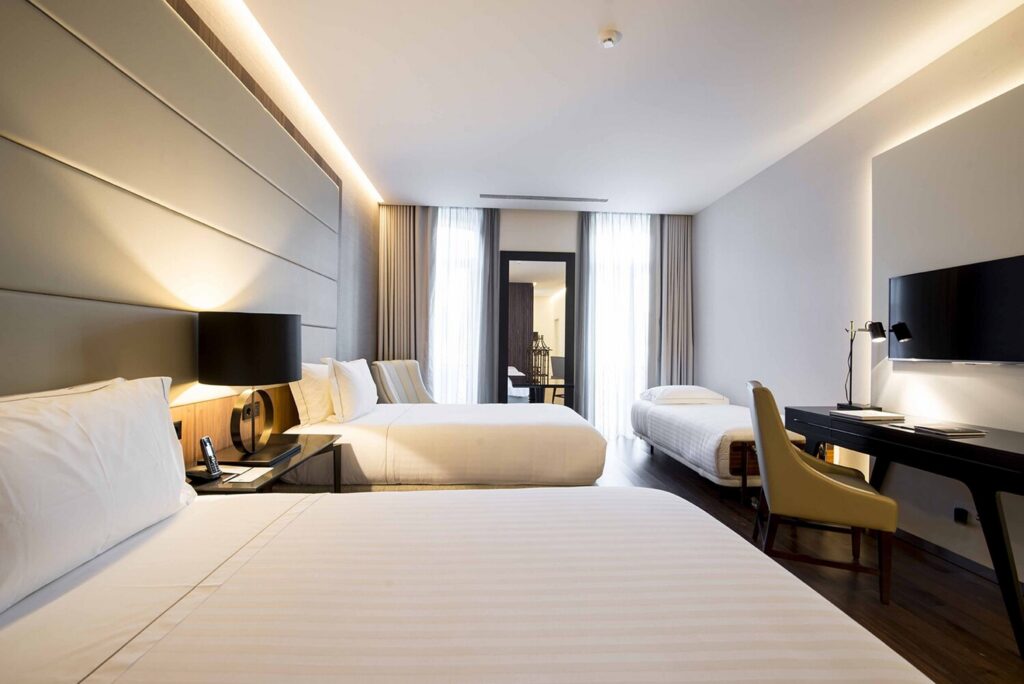
$184 a night, mid
Up the hill above Avenida da Liberdade, in Principe Real, where the eating is and the night is quieter than the Baixa grid. Suits people who want dinner within a five-minute walk of the door.
The catch is the return leg. Everything you do downtown now ends with a climb, and the funicular that used to take the sting out of it is shut.
Baixa
Lisbon Wine Hotel
Rua das Portas de Santo Antão 88
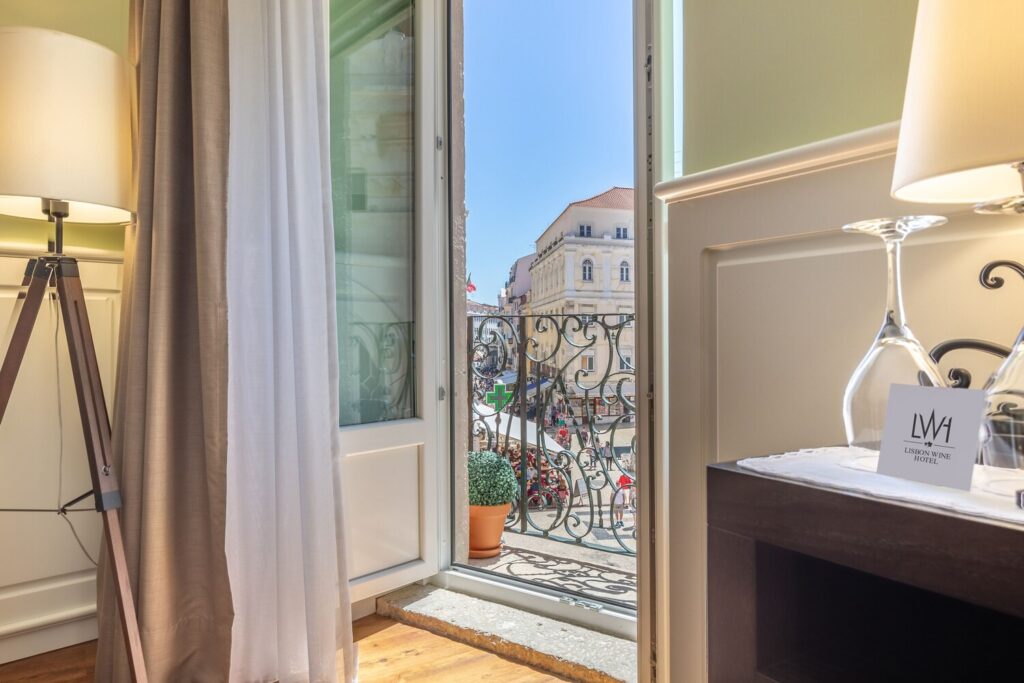
$192 a night, mid
Central, 9.8 from a thousand reviews, with a cellar and tastings on site, which is a cheap way to work out what you actually like before you spend money on port to carry home. Rooms are on the small side and the building is old, so ask about the stairs if that matters.
Alfama
AlmaLusa Alfama
Rua dos Bacalhoeiros 16
$206 a night, mid to upper
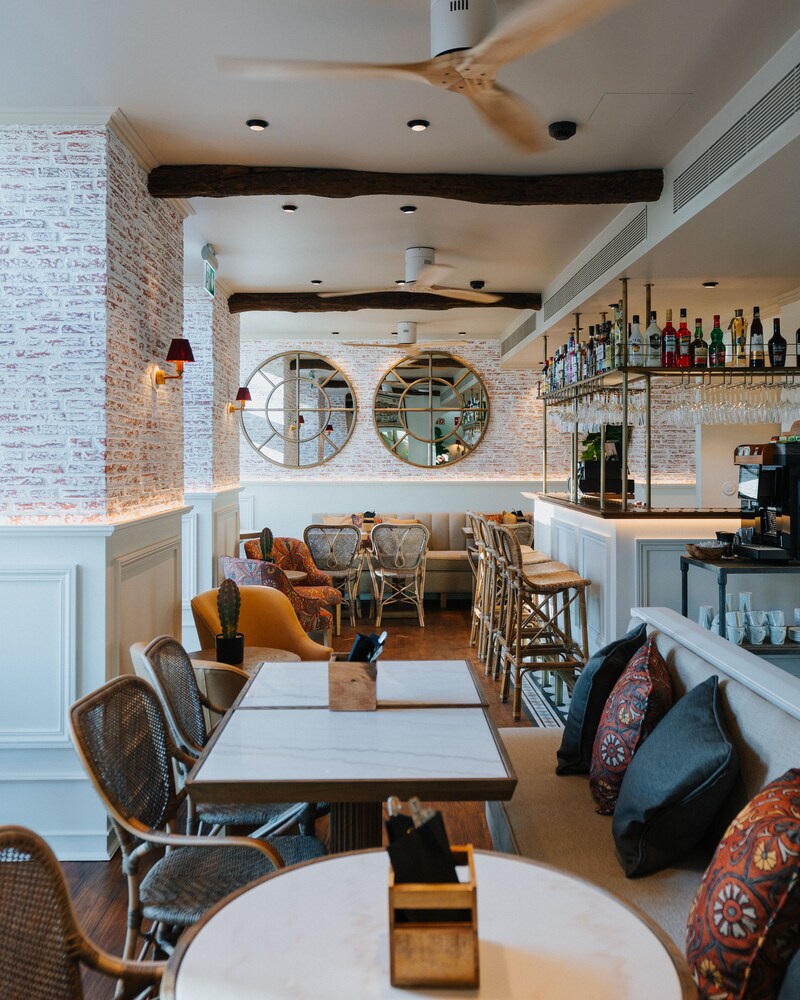
Actually inside Alfama rather than near it, so fado drifts up the alley after ten and the walk home is steep. Worth both if atmosphere is what you came for. Take a taxi with luggage on arrival, because the last hundred metres are stairs and polished limestone.
Baixa
Dare Lisbon House
Rua dos Sapateiros 135
$224 a night, upper
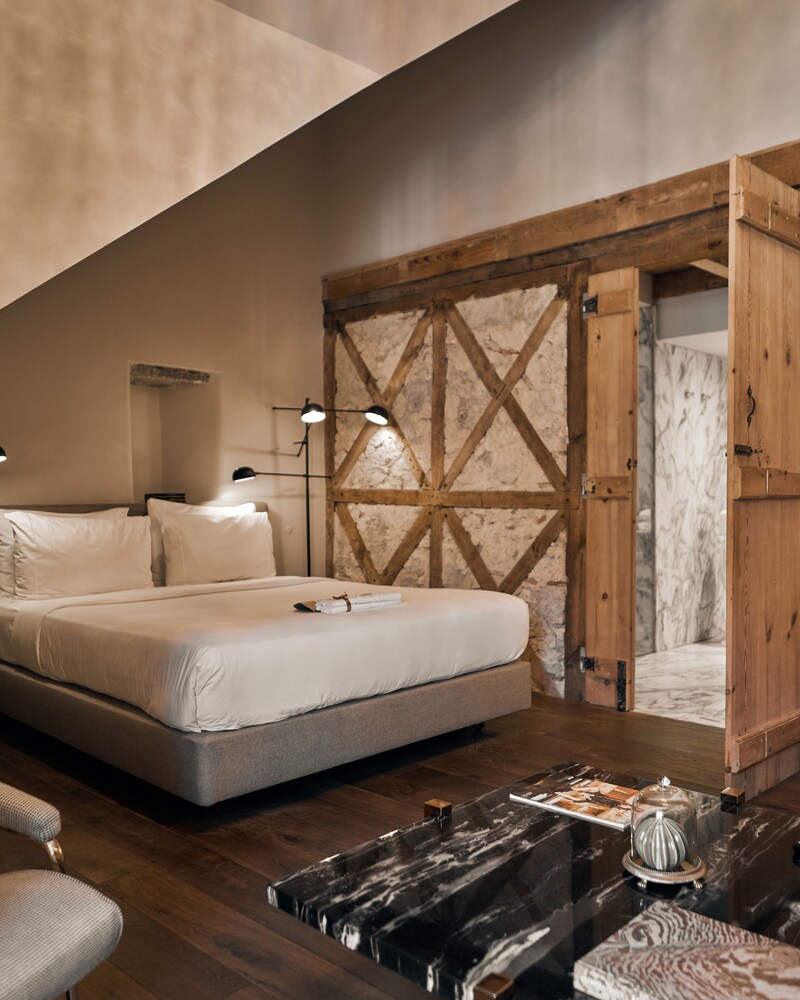
9.8 from 962 reviews at $224, only just over the line into the upper band. Nothing here gives you more rating per dollar. Flat streets, everything walkable, and a proper living room in the larger units. Small property, so it books out first in April, May and October.
Restauradores
Avenida Palace
Rua 1º de Dezembro 123
$329 a night, upper
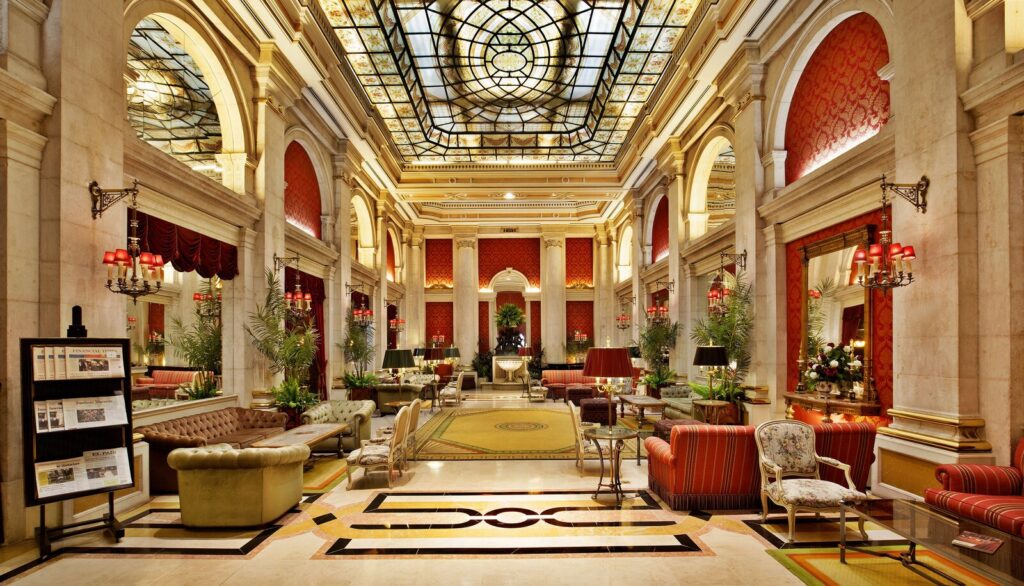
Opened in 1892 and still holding 9.8 from a thousand reviews. Belle Epoque rooms with Rossio station and the bottom of Calcada da Gloria outside the door. You get the period rooms, and you give up modern soundproofing and lift speed.
Chiado
Bairro Alto Hotel
Praça Luís de Camões 2
$604 a night, luxury
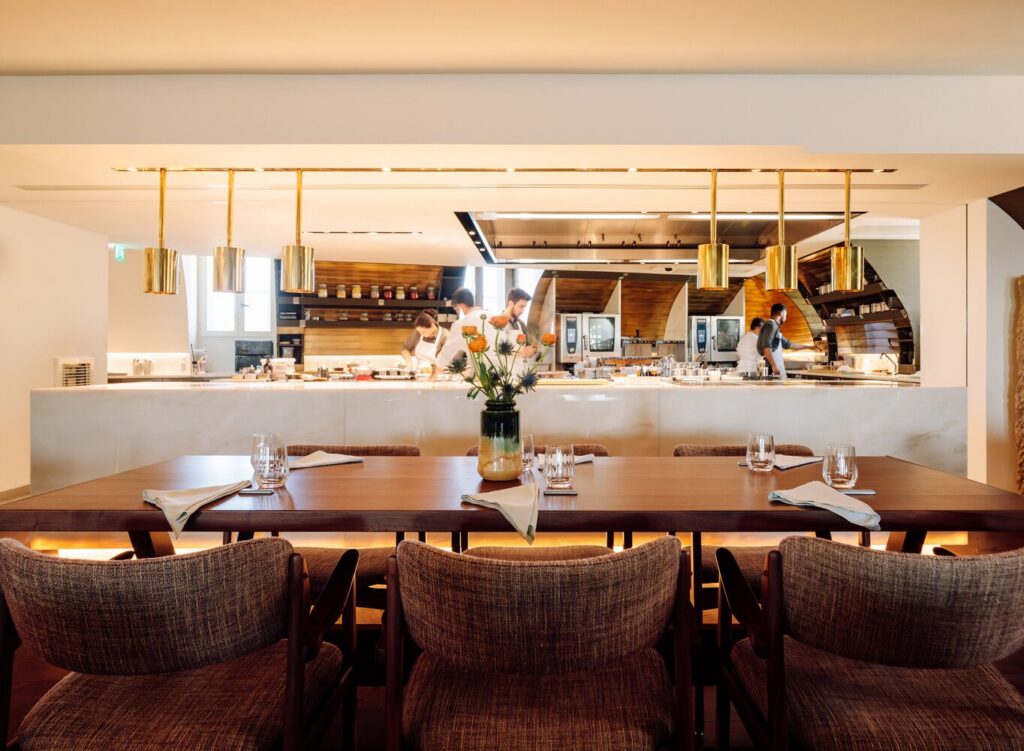
On Praca Luis de Camoes with a rooftop terrace looking across the Tagus, and the terrace is what you’re paying for. Chiado puts Bairro Alto and Principe Real a few minutes away on foot, though the Bica funicular below it is shut. At $604 a night it costs more than five nights in January, so pick your month deliberately.
Where should you sleep?
Which area suits you comes down to what you’re paying for a room and how late you’re out.
Every place we track, by area
Baixa
- Ouro Rossio Hotelbudget
- Residentas Aureamid-priced
- Lisbon Wine Hotelmid-priced
- Dare Lisbon Houseupper-end
- Hotel da Baixaupper-end
- Nicola Rossio Hotelmid-priced
Alfama
- AlmaLusa Alfamamid-priced
Restauradores
- Avenida Palaceupper-end
Chiado
- Bairro Alto Hotelluxury
Principe Real
- BessaHotel Liberdademid-priced
What to do
The walking tour at $26 is the cheapest thing you’ll buy in Portugal, and it explains why only Baixa is flat. Book Sintra ahead too, Pena runs timed slots that sell out, and the $51 tour with every ticket beats the train. Then the sunset cruise, the port tasting at Taylor’s and an electric bike for Alfama’s hills.
Best of Lisbon Small-Group Walking Tour
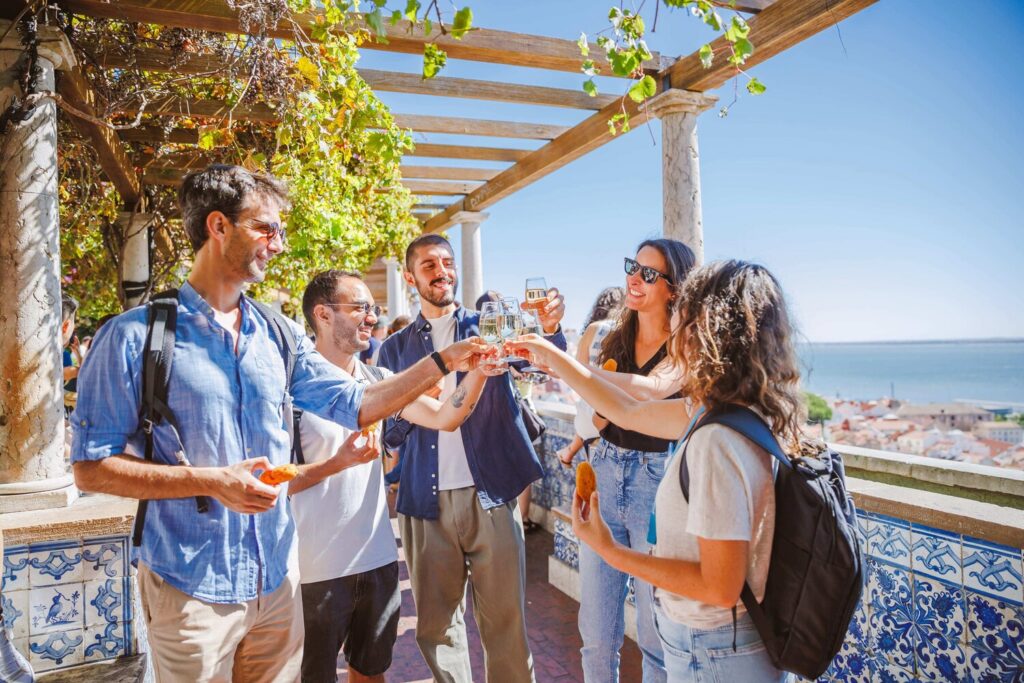
Three hours for $26 at a 9.8 rating, and the cheapest useful thing you’ll buy in Portugal. It explains the 1755 earthquake, and after that Baixa’s flat grid and the medieval vertical mess around it stop being a puzzle. Do it on day one and everything after makes more sense.
Lisbon: Hills, Alfama and Mouraria Tour by Electric Bike
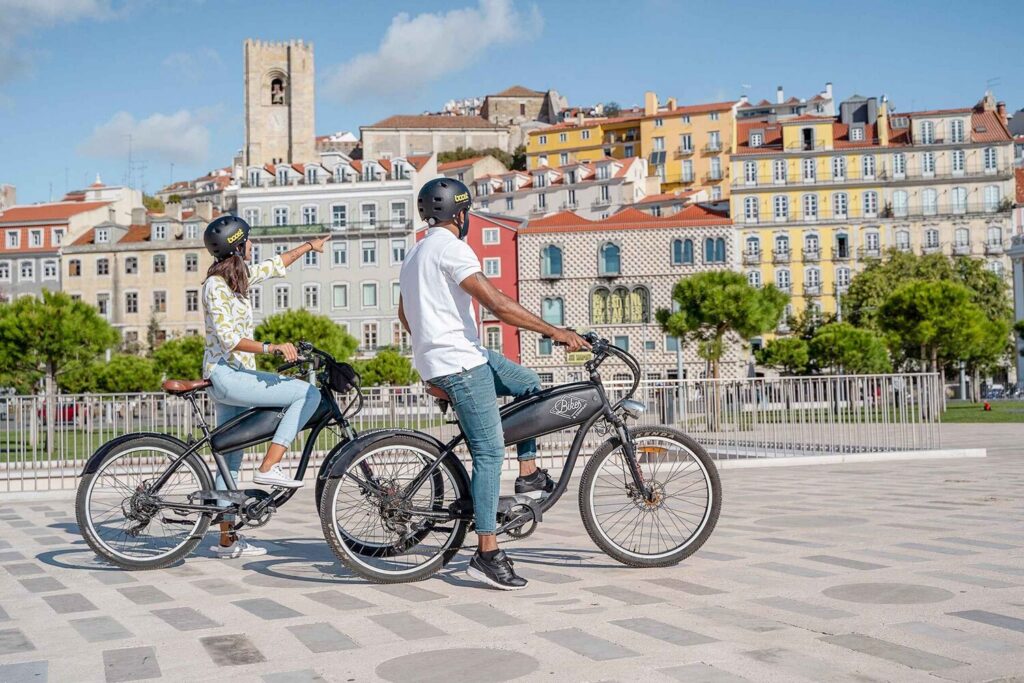
Seven hills, and none of them are gentle. $41 buys three hours of electric motor and the difference between seeing the miradouros of Alfama and Mouraria and reading about them. 9.6 from 674 reviews. Skip it if you’re uneasy on cobbles or in traffic.
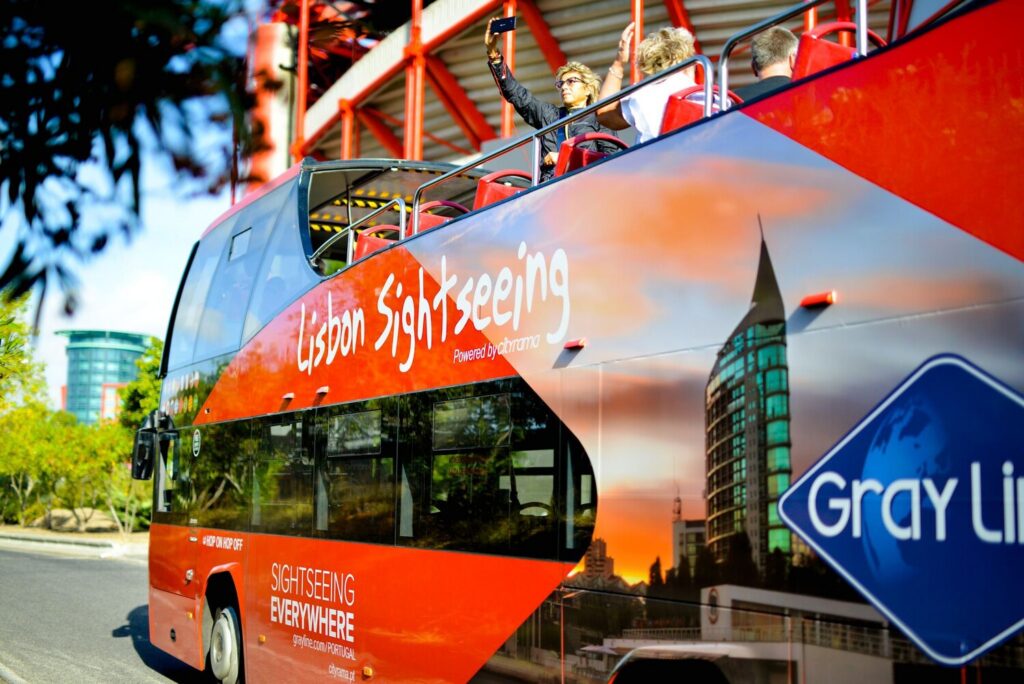
Lisbon Hop-On Hop-Off Packs
$29, and the useful part isn’t the bus. Read it as a transport pass with sightseeing attached rather than a tour and the 7.0 rating stops mattering. Some packs fold in the trams and the Santa Justa lift, which cost real money bought singly.
Check what the pack covers before you buy, since three of the four funiculars are out of service.

Hop-On Hop-Off Yellow Boat Tour
$28 for the river version, and the honest use is transport. It’s a better way to reach Belem than a packed tram 15, and you see the bridge and the waterfront from the angle the city was built to be seen from. Only 13 reviews, so expect a basic operation.
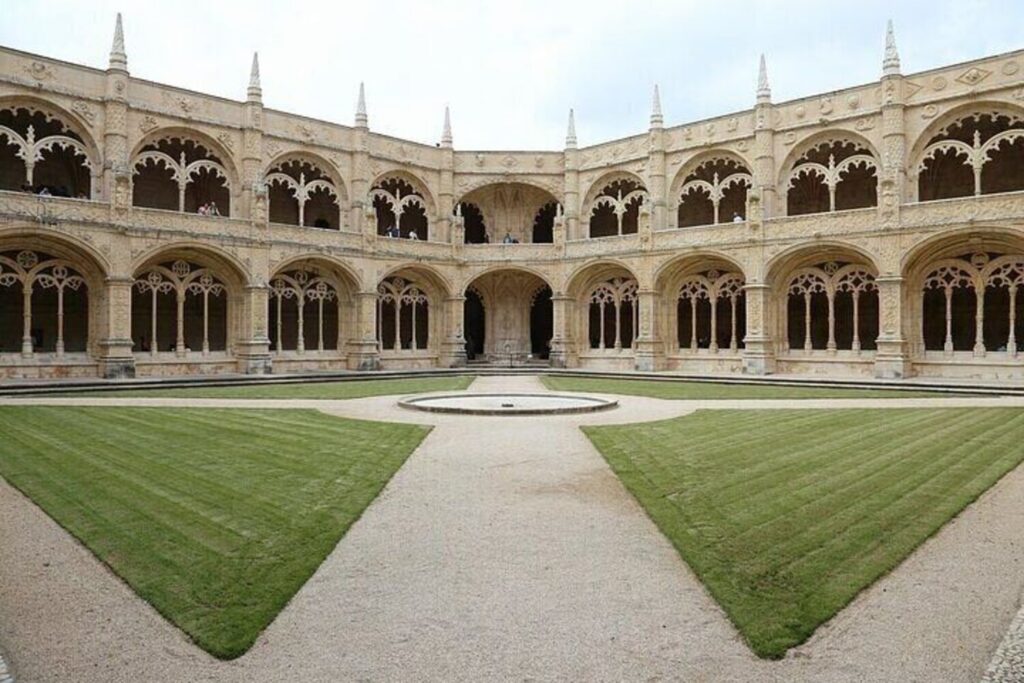
Jeronimos Monastery Entrance Tickets with Host
Listed for completeness, and the 6.2 rating from 20 reviews is a warning. For $36 this is a queue-skip with a meeting point rather than a guided tour. Buy the monastery ticket direct unless you turn up and find the line running round the block, which it does by eleven in summer.
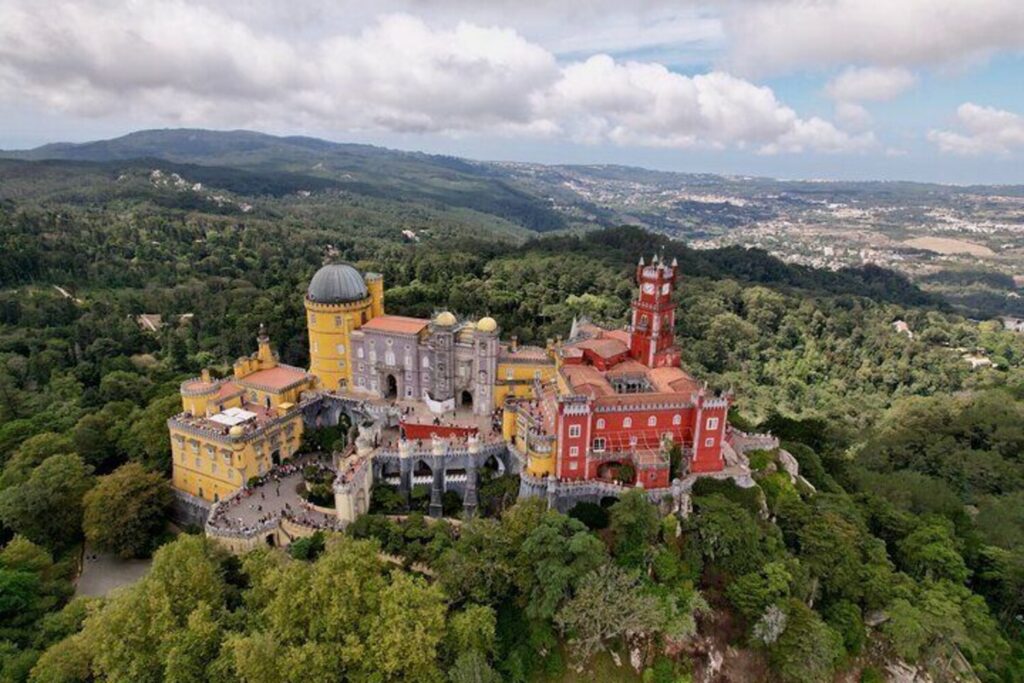
Lisbon: Sintra, Regaleira, Pena & Cabo da Roca, All Tickets Included
$51 with every entry covered, and nothing else for Sintra comes close on price. Pena Palace alone runs about EUR 14 on timed slots that sell out days ahead, and Quinta da Regaleira is another ticket on top of that. Nine and a half hours door to door, so eat before you go rather than in the queue at Pena.

Small Group Tour to Sintra, Pena Palace, Cabo da Roca and Cascais
9.8 from 2,532 reviews, the strongest pairing of rating and volume in this whole research set. It costs twice the budget Sintra day, and the money buys group size and pacing. Pick it if you’d rather not spend nine hours in a full coach, and if Cascais at the end appeals more than Regaleira in the middle.
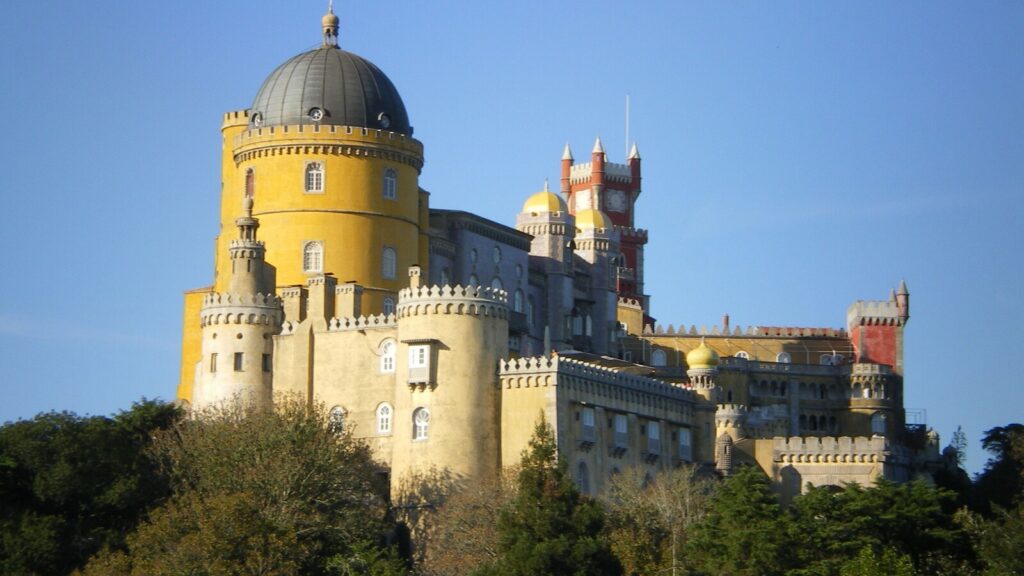
Day Trip to Sintra & Cascais with Pena Palace Admission
The middle Sintra option at $93, with Pena admission included, a garden walk, and enough time in Cascais to eat lunch by the water rather than photograph it through a bus window. Eight and a half hours. No Quinta da Regaleira, though, which the cheaper all-tickets tour does cover.
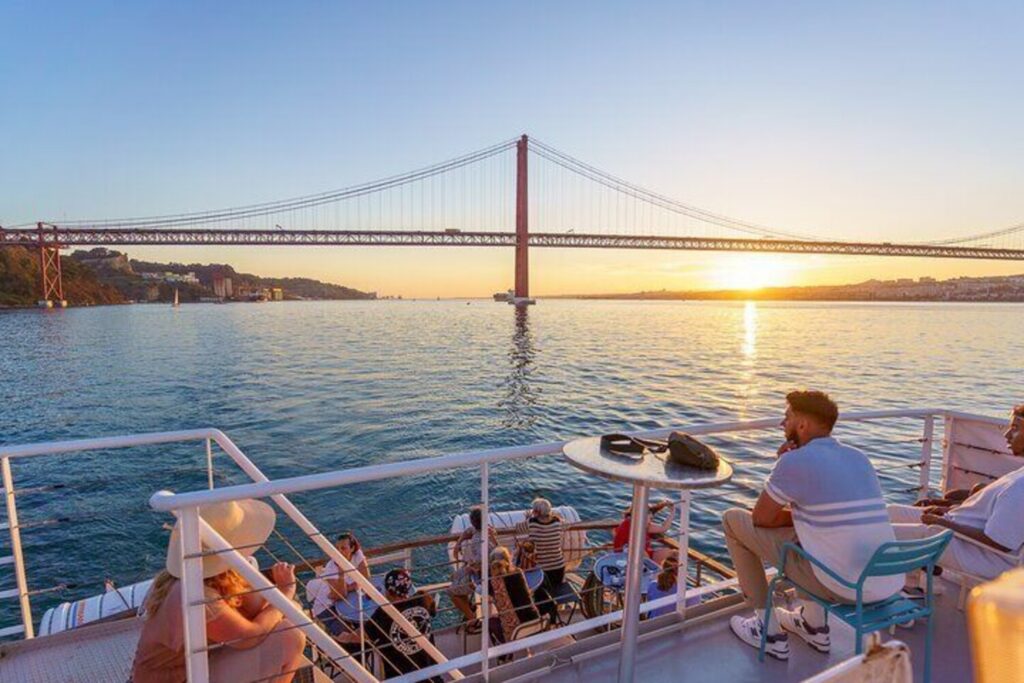
Lisbon Sunset Cruise with Wine and Snacks
$36 for two hours on the Tagus, under the 25 de Abril bridge, at the hour when the city turns the colour of the roof tiles. The 7.8 rating is honest. It’s a boat with wine rather than dining afloat, and at that price it doesn’t need to be more.
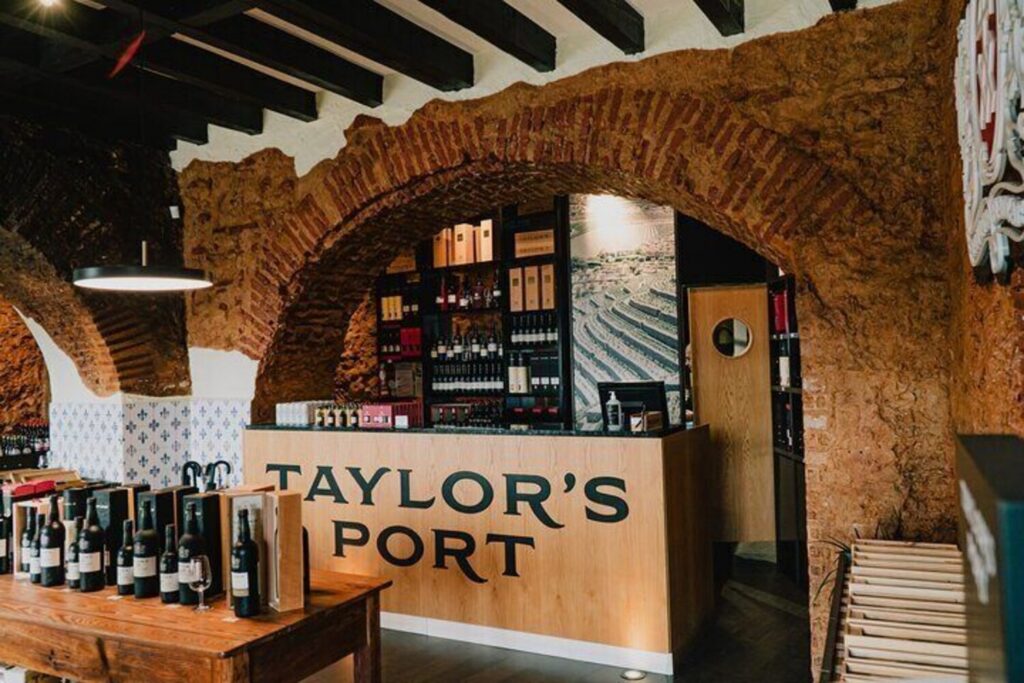
Lisbon Port Wine Tasting at Taylor's
$20 and one hour, the cheapest thing on this page. It’s also the one that tells you whether the bottle you were about to carry home is worth the suitcase space. Tawny against ruby, side by side, with someone who can name what you’re tasting.

Food & Wine Small-Group Walking Tour
$81 for three hours of petiscos, ginjinha and a pastel de nata that isn’t the one on the tourist corner. Book it for the evening and count it as dinner rather than an extra. 9.6 from 122 reviews.
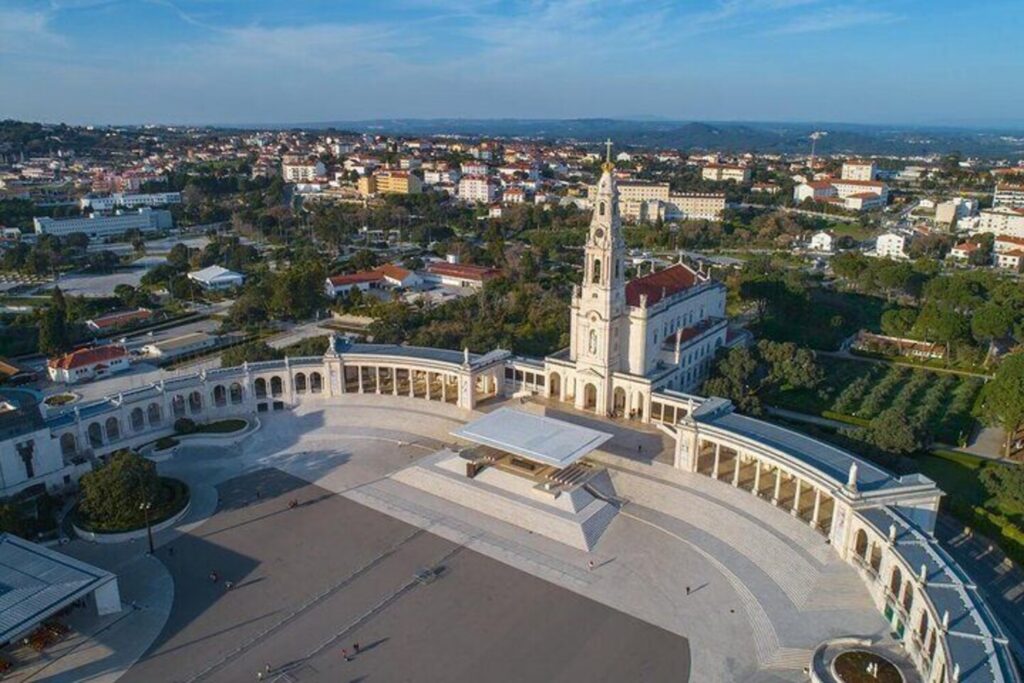
Fatima, Batalha, Nazare & Obidos Small Group Tour
$65 for four stops in nine hours, and the cheapest way north. Four stops is a long day, but Nazare’s clifftop lighthouse alone justifies the drive and the walled village of Obidos is the coffee stop on the way back. Only 79 reviews, though the rating behind them is 9.6.
Eat here
Lisbon cooking is a poor-country port kitchen. Salt cod rehydrated a hundred different ways, pork sandwiches, grilled sardines in summer, snails in beer season, and rice cooked wet like a stew rather than dry like a paella. The centre sells you a laminated photo menu of sangria and paella, both of which are Spanish. The real thing is a tasca with eight dishes chalked on a board, a soup, a prato do dia, house wine in a jug, and a room full of people eating at one o’clock.
Dishes to know
- Bifana
- A thin pork steak simmered in garlic, white wine and bay, jammed into a crusty bread roll.
- A standing-at-the-counter lunch or a 3am snack rather than a sit-down dish. You ask for mustard or piri-piri and eat it in four minutes.
- Bacalhau à Brás
- Shredded salt cod scrambled with egg, onion and matchstick fried potatoes, finished with black olives and parsley.
- One of the everyday cod dishes rather than a special-occasion one. A real version is loose and creamy from the egg, never dry or baked into a cake.
- Sardinhas assadas
- Whole sardines salted and grilled over charcoal, eaten with bread, boiled potatoes and roasted pepper salad.
- Seasonal, roughly June to October, peaking around the Santo António festivals in June. A place advertising ‘best sardines’ in February is grilling frozen fish.
- Peixinhos da horta
- Green beans in a light batter, deep-fried. The Portuguese ancestor of Japanese tempura.
- A petisco to share before the main food arrives, and the standard proof that a tasca can cook, since bad batter is obvious at once.
- Caracóis
- Small snails boiled in a garlicky, oregano-heavy broth, eaten with a toothpick alongside beer.
- Strictly a warm-weather thing, roughly May to August. You’ll see hand-written ‘Há caracóis’ signs in beer-hall windows, which is the sign to follow.
- Prego no pão
- A garlicky beef steak in a bread roll, often eaten after a fish meal rather than instead of one.
- Traditionally the end of a seafood dinner in old Lisbon beer houses, and also a standard cheap counter lunch.
- Arroz de marisco / arroz de pato
- Soupy shellfish rice, or oven-baked duck rice topped with chouriço and crisped rice.
- Portuguese rice dishes are wet and served in the pot, usually for two people minimum. If it arrives dry and yellow with peas, you’re eating a paella impersonation.
- Cozido à portuguesa
- A vast boiled dinner of beef and pork, smoked sausages, cabbage, root vegetables and rice.
- A winter dish and a fixed weekday special. Many tascas run it on one particular day, so ask which day rather than expecting it any time.
- Pastel de nata
- Custard tart in flaky laminated pastry, blistered black on top.
- Eaten mid-morning or mid-afternoon with a coffee, warm, dusted with cinnamon by you not by the baker. Standing at the counter costs less than sitting at a table, and the price on the wall is the counter price.
- Caldo verde
- Potato-based soup with finely shredded kale and a slice of chouriço.
- The default soup at the start of a set lunch, and the standard late-night food at street festivals in June.
Where to eat
- Campo de Ourique
- A residential grid of tascas, pastelarias and a covered market where the customers are people who live on the street. Lunch there is a soup-plus-prato-do-dia routine rather than a night out.
- Arroios / Anjos (along Almirante Reis)
- Lisbon’s densest immigrant food strip, with Bangladeshi, Nepalese, Indian, Chinese and Brazilian kitchens alongside old Portuguese tascas. The neighbourhood market is a working one.
- Graça and Penha de França
- Just uphill from Alfama’s photo-menu belt, with tascas that still do a set lunch for the neighbourhood and beer halls that put out snails in summer.
- Alvalade
- Post-war residential Lisbon where office workers eat. Cervejarias for shellfish, grill houses, pastelarias with proper counters, and next to no tourist traffic.
- Cacilhas / Almada (ferry across the Tagus)
- A ten-minute ferry from Cais do Sodré lands you in a row of fish and shellfish restaurants that serve Lisbon locals on Sundays, at noticeably lower prices than the same food in the centre.
What to walk past
Avoid the waiter-with-a-laminated-menu streets, meaning Rua Augusta and Rua dos Correeiros in Baixa, Rua das Portas de Santo Antão, and the viewpoint terraces of Alfama. Anywhere someone steps out to intercept you, keep walking. The menu tells are paella or ‘Portuguese tapas’, flag icons and photos on every dish, sangria, and ‘best sardines’ out of season. Assume the couvert put on the table, meaning the bread and olives and the saucer of cheese, is charged, and send it back if you don’t want it.
Markets
- Mercado de Campo de Ourique
- Produce stalls run on the usual municipal-market pattern, roughly 7am-2pm Tuesday to Saturday. The eating hall stays open into the evening.
- A real neighbourhood market that had a food hall grafted onto it rather than the other way round, so you can watch the fish and vegetable trade and then eat in the same room.
- Mercado de Arroios
- Mornings, Tuesday to Saturday, on municipal-market hours of roughly 7am-2pm. Confirm before a special trip.
- The market of Lisbon’s most mixed neighbourhood, with Portuguese produce stalls alongside South Asian and African groceries. The clearest single view of who lives in the city now.
- Feira da Ladra, Campo de Santa Clara
- Tuesdays and Saturdays, daytime.
- The city flea market rather than a food market, but it wraps the Mercado de Santa Clara, and the surrounding Graça tascas fill with locals afterwards. A good spine for a morning.
- Mercado da Ribeira / Time Out Market
- Daily, late into the evening. The traditional produce half runs on morning market hours.
- The famous food-hall half is a curated tourist operation. The other half of the same building is still a working fruit, veg and fish market. Go to that half, early.
When people eat
Breakfast is small and fast, a coffee and a pastry standing at a counter, often repeated mid-morning. Lunch is the real meal, roughly one to half two, and it’s the only window in which the set menus and the prato do dia exist at all. Dinner starts around eight on a weeknight, later at weekends. A restaurant serving a full dinner at half six is cooking for tourists, because Portuguese kitchens are shut between lunch and about half seven.
Eating cheaply
The counter does most of the work. Pastelarias and snack-bars sell bifanas and pregos and croquetes all day, the counter price is lower than the table price, and the terrace price is higher again. Then there’s the prato do dia, chalked on a board outside, a weekday lunch of soup and a main with bread and usually coffee for one fixed number. It’s the cheapest cooked meal in Portugal and it only exists at lunchtime. Municipal markets and their eating stalls cover the mornings, and the take-away grilled chicken and roast pork places in residential streets sell whole birds to carry off and eat elsewhere.
If you don't eat everything
- Vegetarian
- Getting easier fast in central Lisbon, but a traditional tasca is a meat-and-fish room and ‘vegetarian’ may still arrive with tuna or ham. Say ‘sou vegetariano/a, sem carne e sem peixe’. Reliable fallbacks are peixinhos da horta, sopa (ask ‘a sopa leva carne?’ in case it is made with meat stock), açorda, migas, grilled vegetables and the many bean and chickpea salads. Portugal has required a vegetarian option in public canteens since 2017, which has pushed the norm along.
- Gluten free
- Better than you’d expect, because so much of the canon is fish, rice, potatoes and egg. Grilled fish with potatoes, bacalhau à lagareiro, arroz dishes, piri-piri chicken, and desserts like pudim flan and arroz doce. The traps are less obvious. Alheira and farinheira sausages contain wheat, broa mixes corn with wheat flour, bolo de arroz is wheat, and pastel de nata custard is thickened with flour. Say ‘sem glúten’ and ask about stock cubes in rice dishes.
- Halal and other
- Concentrated around Martim Moniz, Mouraria and Almirante Reis, where Bangladeshi, Pakistani, Indian and Nepalese kitchens and the Central Mosque area serve halal food. Outside that corridor assume pork is in everything, because in a Portuguese kitchen it usually is.
Free and cheap
Things worth your morning that cost nothing, or close to it. Opening hours change, so check before you walk up a hill for one.
Above Avenida da Liberdade
Miradouro do Jardim do Torel
Free, open roughly 8am to 9pm. The funicular is out of service so walk up from Praca dos Restauradores, about ten minutes. Come between June and September for the pool.
Se, Alfama edge
Museu do Aljube
Open Tuesday to Sunday 10am to 6pm with last entry at 5:30pm, closed Monday. General admission is a few euros with concessions, and residents get some free days. The free days are listed on museudoaljube.pt.
Around the city
Free Sunday mornings before 2pm and on first Sundays
the Tile Museum, the Coach Museum, Ancient Art and the Museu de Lisboa
Museu do Dinheiro is indoors and free with no reservation, Wednesday to Saturday 10am to 6pm. Save it for a wet morning
The miradouros cost nothing
Senhora do Monte is the highest, Santa Catarina fills up at sunset, and nobody goes to Penha de Franca
The Gulbenkian garden is free daily and the CAM next door is free on Sunday afternoons
Museu do Dinheiro is now Wednesday to Sunday 10am to 6pm with last entry at 5:30pm, closed Monday and Tuesday, still free with no booking
What most visitors miss
The quieter side of Lisbon includes the Cacilhas commuter ferry, which crosses under the bridge for about EUR 1.55 and lands at seafood tascas cooking for locals. Feira da Ladra, the flea market behind Alfama, runs Tuesday and Saturday mornings. As Bifanas do Afonso in Baixa sells EUR 3 pork sandwiches standing up, and Museu do Aljube covers the dictatorship.
timingGraca / Mouraria
Funicular da Graça
Rua dos Lagares, lower terminus
Gloria, Bica and Lavra have been shut since the fatal Gloria derailment in September 2025, and Carris is talking about a new system rather than a repair, so there’s no reopening date. That leaves the newer line between Largo da Graca and Rua dos Lagares, which came back in spring 2026 and is the only funicular still running.
Tip Runs daily 7am to 9pm, EUR 4.30 return onboard cash fare or covered by a 24-hour transport ticket, and it climbs to Miradouro da Graca with almost no line.
viewpointAbove Avenida da Liberdade
Miradouro do Jardim do Torel
Rua Júlio de Andrade
A walled garden two minutes off Avenida da Liberdade with a full view toward the castle. It sits behind a gate most visitors don’t notice, and the Lavra funicular that used to serve it is closed. In summer the ornamental pond becomes a free public pool.
Tip Free entry, open roughly 8am to 9pm. Walk up from Praca dos Restauradores in about ten minutes since the funicular is out of service, and go for the pool from June to September.
day tripAcross the Tagus, south bank
Cacilhas by ferry
Terminal Fluvial de Cacilhas, Largo Alfredo Dinis
Most visitors ride a boat tour to photograph the 25 de Abril bridge from the water, but the Cais do Sodre to Cacilhas commuter ferry crosses the same stretch for the price of a bus ticket and lands in a working fishing town where the seafood tascas cook for locals, not tour groups.
Tip Ferries leave every ten or twenty minutes and the crossing takes under ten. About EUR 1.55 with a Navegante card. The 3001 bus runs up from the terminal to Cristo Rei if you want the statue too.
marketCampo de Santa Clara, Alfama
Feira da Ladra
Campo de Santa Clara
Lisbon’s flea market has run on this square since the 13th century, one hill behind the Alfama miradouros everyone already climbs to. It opens two mornings a week and shuts by early afternoon. Get there before ten, while the good stuff is still on the tables.
Tip Tuesdays and Saturdays, roughly 9am to 2pm, cash only, best finds gone by 10am. Walk up from Santa Apolonia station.
foodBaixa
As Bifanas do Afonso
Rua da Madalena 146
A standing-room counter on Rua da Madalena that has fed the neighbourhood pork sandwiches for decades. It sits one block off the Baixa grid every first-time visitor walks through on the way to the Se, and almost nobody turns the corner. No seats, no photos of the food, a griddle and a queue of Lisboetas.
Tip Open Monday to Friday roughly 7:30am to 7:30pm and Saturday morning only, closed Sunday. A bifana runs about EUR 3, cash only, eaten standing at the counter.
museumSe, Alfama edge
Museu do Aljube
Rua de Augusto Rosa 42
Housed in the former secret-police prison two minutes from the cathedral that every first-timer already visits, this museum covers the dictatorship years and the resistance to it. It sits on a route thousands walk every day and takes almost none of that traffic.
Tip Open Tuesday to Sunday 10am to 6pm, last entry 5:30pm, closed Monday. General admission is a few euros with concessions and some free days for residents, so check museudoaljube.pt before visiting.
Packing list
Save a month and a few things to do and this list grows to match.
- Type C/F plug adapter
- Shoes with grip
- Sun hat
Common questions
The most-asked question about Lisbon is whether Sintra is worth the day trip, and it is, provided you book rather than improvise. Pena Palace runs timed slots that sell out, and once you add Pena, Quinta da Regaleira, the train and the shuttle bus, the $51 all-tickets tour is cheaper than going alone. Give it the whole day, not half.
What is the cheapest month to visit Lisbon?
January, at a median $81 a night. It’s the lowest reading of any city in any month across this research, and it buys a Lisbon that’s still around 15C (59F) in the daytime and dry more days than it rains.
December and November sit close behind. Five nights in January cost well under half what the same five nights cost in May, and the trams are empty.
How many days do you need in Lisbon?
Three full days covers the city and Belem without hurrying. Five is the right answer for most people. Sintra deserves a whole day rather than a squeezed afternoon, and you want one slow day for the miradouros and a long lunch.
Seven lets you add Cascais on the coast train and a run north to Obidos and Nazare, or two nights in Porto.
Is Lisbon safe and is it walkable?
It’s one of the safer capitals in Europe and walking home late in Baixa, Chiado or Alfama is normal. Pickpocketing on tram 28 and around Rossio is the real risk, so carry nothing loose.
Walkable is a different question. Seven hills, and calcada paving that is polished limestone and turns slippery in rain. Bring shoes with grip and use the funiculars without shame.
What is the weather like in Lisbon in summer?
July and August sit at 28C to 29C (82F to 84F) with almost no rain, which sounds ideal until you’re climbing Alfama at two in the afternoon. June is the pleasant end of it, and September holds the warm sea while the crowds thin out after the first week.
The heat is dry rather than heavy. The hills make it feel hotter than the number, and the pale calcada throws the sun straight back at you.
How do you get from Lisbon airport to the city?
The airport sits inside the city and the red line starts inside the terminal, so you’re in the centre in about 20 minutes with one change at Alameda or Saldanha.
Buy a rechargeable Viva Viagem card for EUR 0.50 and load it, because rides are around EUR 1.65 and the same card covers the trams and the Santa Justa lift.
A taxi costs roughly ten times a metro ride, and it only earns that on an Alfama stay with heavy bags, where the last stretch is stairs.
Are the trams and funiculars worth paying for?
Three of the four funiculars are shut. Gloria, Bica and Lavra have been closed since the derailment in September 2025, so the only one running is the Graca line, at EUR 4.30 return in cash or free on a day ticket.
The Santa Justa lift is on that day pass too, so ride it as transport rather than queueing to photograph it.
Tram 28 is the exception to all of this. The route is lovely and the line at Martim Moniz often runs an hour. Board partway along, or take tram 12, which covers much of the same ground almost empty.
Is Sintra worth a day trip from Lisbon?
Yes, and book it rather than improvising. Pena Palace uses timed slots that sell out, and once you’ve paid Pena and Quinta da Regaleira separately plus the train and the shuttle bus up the hill, the $51 all-tickets tour comes in cheaper than doing it yourself.
Give it the full day. Half a day gets you Pena’s queue and nothing else.
Where should you stay in Lisbon?
Baixa, if you want flat streets and every day to end walking downhill. Alfama is fado through the window and a steep, slippery walk home after it.
Chiado and Principe Real have the eating and the quieter nights, at the cost of a climb. Don’t book a room facing Rossio unless you sleep through noise, because the square is loud until about one.